


Gifting Made Simple
Give the Gift of ChoiceClick below to purchase a Prairie Mall eGift Card that can be used at participating retailers at Prairie Mall.Buy Gift CardHome
Governing Spirits: Religion, Miracles, And Spectacles Cuba Puerto Rico, 1898-1956
Coles
Loading Inventory...
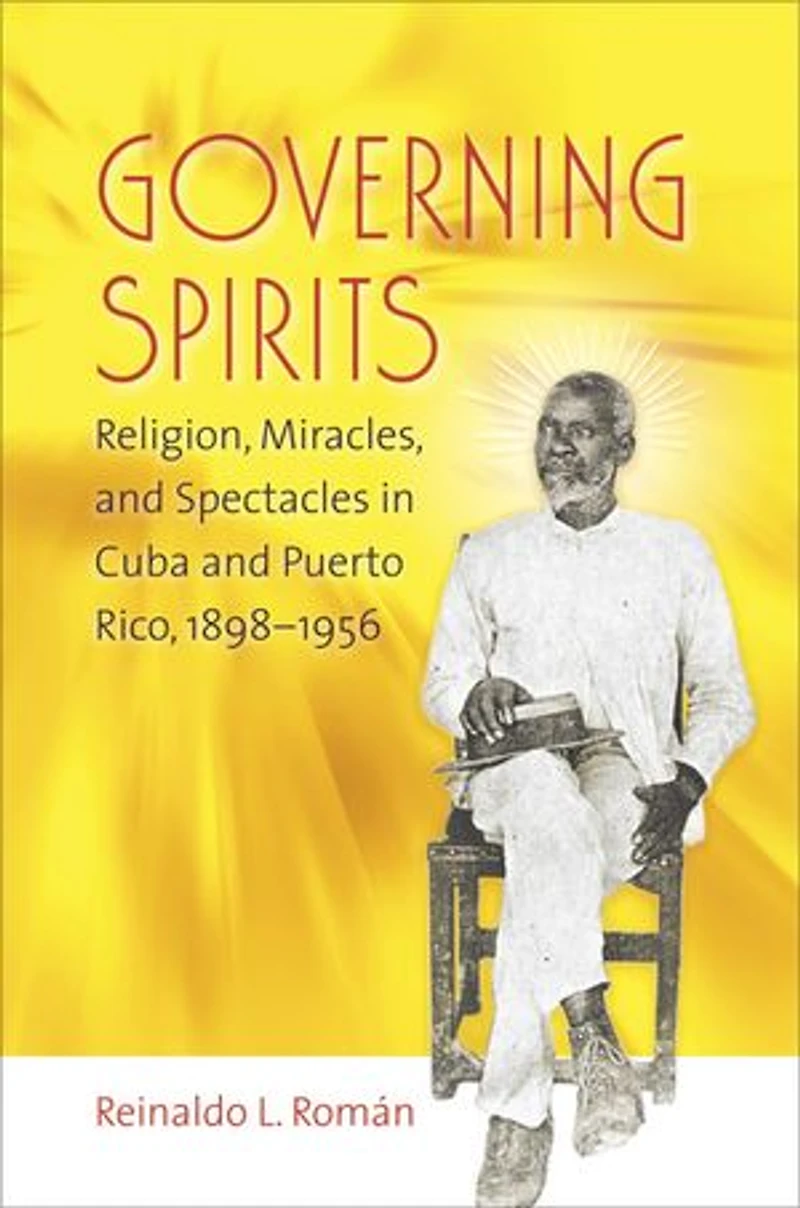
Governing Spirits: Religion, Miracles, And Spectacles Cuba Puerto Rico, 1898-1956 in Grande Prairie, AB
Current price: $31.19
Original price: $38.99
Coles
Governing Spirits: Religion, Miracles, And Spectacles Cuba Puerto Rico, 1898-1956 in Grande Prairie, AB
Current price: $31.19
Original price: $38.99
Loading Inventory...
Size: Kobo eBook
*Product information and pricing may vary - to confirm current pricing, availability, shipping, and return information please contact Coles. In the event of a pricing discrepancy, the retailer's price will apply.
Freedom of religion did not come easily to Cuba or Puerto Rico. Only after the arrival of American troops during the Spanish-American War were non-Catholics permitted to practice their religions openly and to proselytize. When government efforts to ensure freedom of worship began, reformers on both islands rejoiced, believing that an era of regeneration and modernization was upon them. But as new laws went into effect, critics voiced their dismay at the rise of popular religions. Reinaldo L. Román explores the changing relationship between regulators and practitioners in neocolonial Cuba and Puerto Rico.
Spiritism, Santería, and other African-derived traditions were typically characterized in sensational fashion by the popular press as “a plague of superstition.” Examining seven episodes between 1898 and the Cuban Revolution when the public demanded official actions against “misbelief,” Román finds that when outbreaks of superstition were debated, matters of citizenship were usually at stake. He links the circulation of spectacular charges of witchcraft and miracle-making to anxieties surrounding newly expanded citizenries that included people of color. Governing Spirits also contributes to the understanding of vernacular religions by moving beyond questions of national or traditional origins to illuminate how boundaries among hybrid practices evolved in a process of historical contingencies.
Freedom of religion did not come easily to Cuba or Puerto Rico. Only after the arrival of American troops during the Spanish-American War were non-Catholics permitted to practice their religions openly and to proselytize. When government efforts to ensure freedom of worship began, reformers on both islands rejoiced, believing that an era of regeneration and modernization was upon them. But as new laws went into effect, critics voiced their dismay at the rise of popular religions. Reinaldo L. Román explores the changing relationship between regulators and practitioners in neocolonial Cuba and Puerto Rico.
Spiritism, Santería, and other African-derived traditions were typically characterized in sensational fashion by the popular press as “a plague of superstition.” Examining seven episodes between 1898 and the Cuban Revolution when the public demanded official actions against “misbelief,” Román finds that when outbreaks of superstition were debated, matters of citizenship were usually at stake. He links the circulation of spectacular charges of witchcraft and miracle-making to anxieties surrounding newly expanded citizenries that included people of color. Governing Spirits also contributes to the understanding of vernacular religions by moving beyond questions of national or traditional origins to illuminate how boundaries among hybrid practices evolved in a process of historical contingencies.
You May Also Like









Find at Prairie Mall in Grande Prairie, AB
Visit at Prairie Mall in Grande Prairie, AB