


Gifting Made Simple
Give the Gift of ChoiceClick below to purchase a Prairie Mall eGift Card that can be used at participating retailers at Prairie Mall.Buy Gift CardHome
Glory, Humiliation, and the Drive to War
Coles
Loading Inventory...
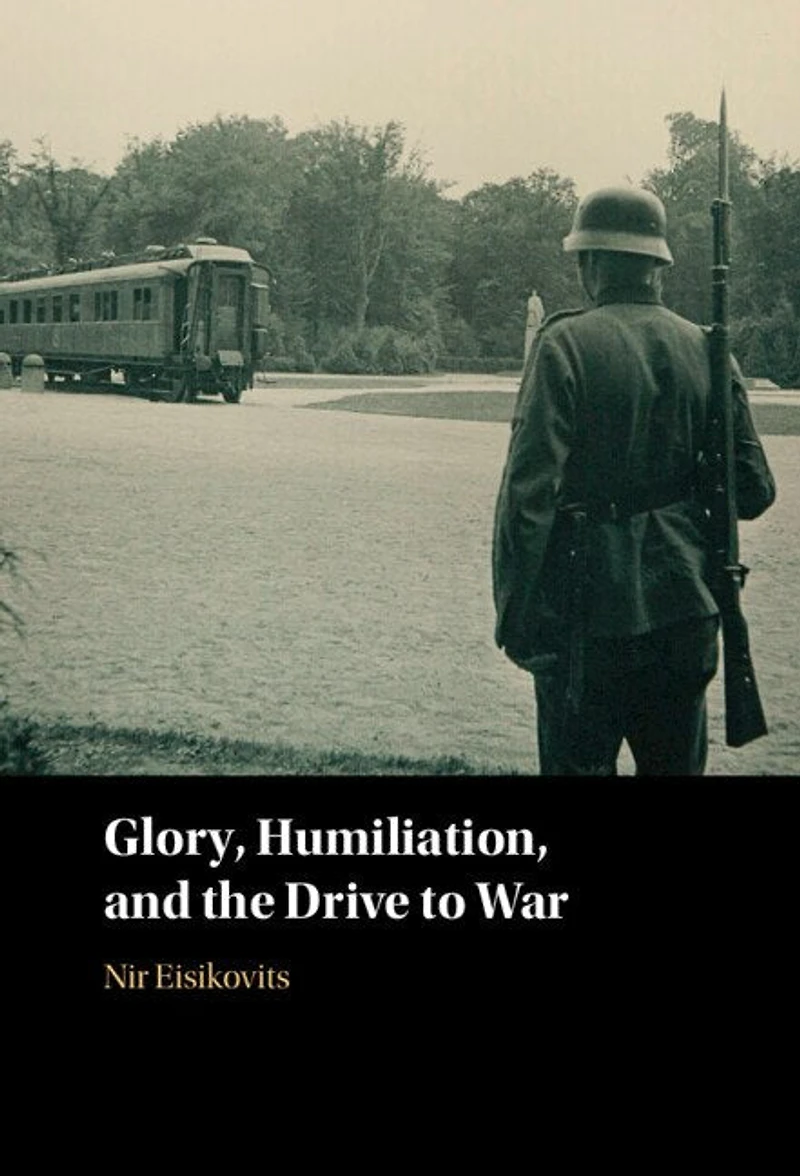
Glory, Humiliation, and the Drive to War
By None
Current price: $137.95
Coles
Glory, Humiliation, and the Drive to War
By None
Current price: $137.95
Loading Inventory...
Size: Hardcover
*Product information and pricing may vary - to confirm current pricing, availability, shipping, and return information please contact Coles. In the event of a pricing discrepancy, the retailer's price will apply.
From Hitler's determination to erase Germany's disgrace after World War I, to Sadat's promise to undo Egypt's humiliation in 1967, to ISIS's proclamations that it would end the “emasculation” of Muslims and restore the glory of the Caliphate, a sense of political humiliation and a desire for martial glory have always been central in the drive to war. Yet although glory and humiliation are the twin engines of conflict, and together they spur individuals and nations to violence, philosophers have shown little interest in these dispositions. In this book Nir Eisikovits offers a philosophical account of political humiliation, martial glory, and the relationship between them. Drawing on philosophy, literature, and psychology, Eisikovits argues that it is impossible to understand why people are drawn to war and how wars are justified without making sense of these two political passions and the ways in which they inflame each other.
From Hitler's determination to erase Germany's disgrace after World War I, to Sadat's promise to undo Egypt's humiliation in 1967, to ISIS's proclamations that it would end the “emasculation” of Muslims and restore the glory of the Caliphate, a sense of political humiliation and a desire for martial glory have always been central in the drive to war. Yet although glory and humiliation are the twin engines of conflict, and together they spur individuals and nations to violence, philosophers have shown little interest in these dispositions. In this book Nir Eisikovits offers a philosophical account of political humiliation, martial glory, and the relationship between them. Drawing on philosophy, literature, and psychology, Eisikovits argues that it is impossible to understand why people are drawn to war and how wars are justified without making sense of these two political passions and the ways in which they inflame each other.
You May Also Like












More About Coles at Prairie Mall
11801 100 St #104, Grande Prairie, AB T8V 3Y2, Canada
Find Coles at Prairie Mall in Grande Prairie, AB
Visit Coles at Prairie Mall in Grande Prairie, AB