


Gifting Made Simple
Give the Gift of ChoiceClick below to purchase a Prairie Mall eGift Card that can be used at participating retailers at Prairie Mall.Buy Gift CardHome
Global Economic Crisis as Social Hieroglyphic: Genesis, Constitution and Regressive Progress
Coles
Loading Inventory...
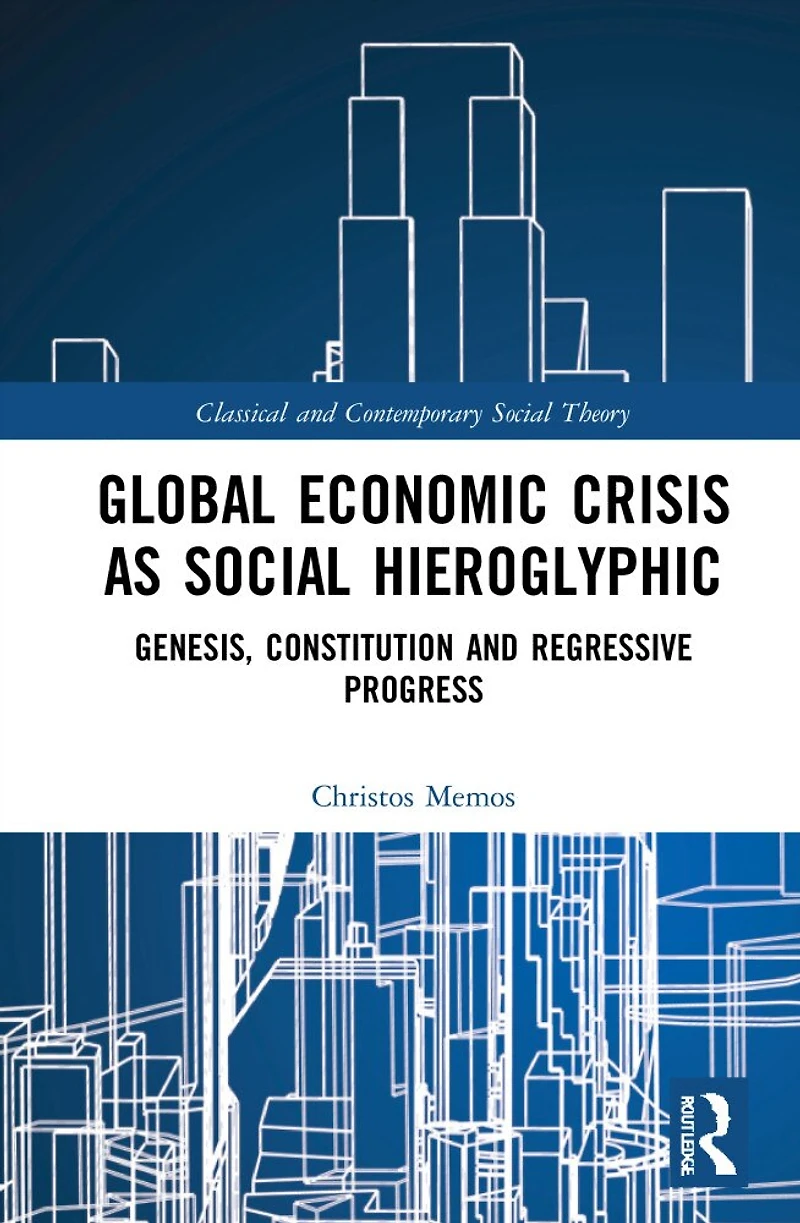
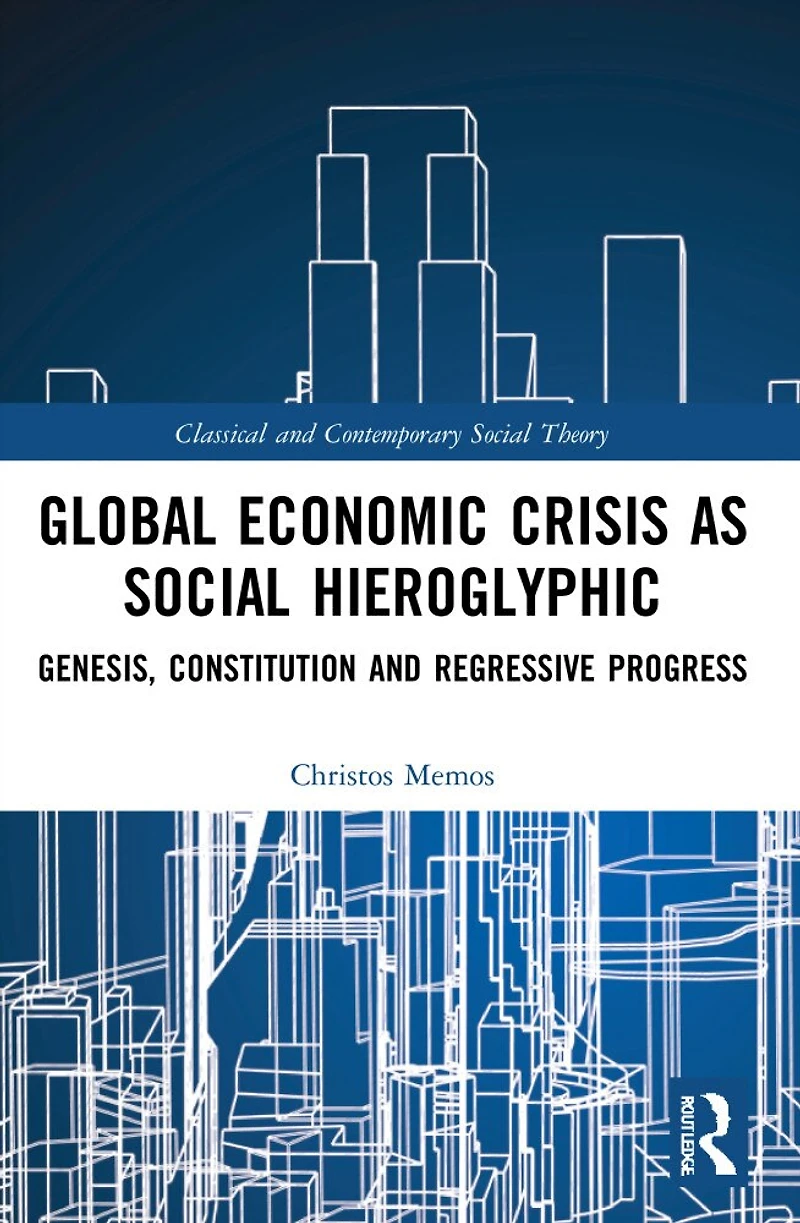
Global Economic Crisis as Social Hieroglyphic: Genesis, Constitution and Regressive Progress
By None
Current price: $296.50
Coles
Global Economic Crisis as Social Hieroglyphic: Genesis, Constitution and Regressive Progress
By None
Current price: $296.50
Loading Inventory...
Size: Hardcover
*Product information and pricing may vary - to confirm current pricing, availability, shipping, and return information please contact Coles. In the event of a pricing discrepancy, the retailer's price will apply.
This book examines the 2008 global economic crisis as a complex social phenomenon or "social hieroglyphic", arguing that the crisis is not fundamentally economic, despite presenting itself as such. Instead, it is considered to be a symptom of a long-standing, multifaceted, and endemic crisis of capitalism which has effectively become permanent, leading contemporary capitalist societies into a state of social regression, manifest in new forms of barbarism. The author offers a qualitative understanding of the economic crisis as the perversion, or inversion, of the capitalistically organized social relations. The genesis of the current crisis is traced back to the unresolved world crisis surrounding the Great Depression in order to map the course and different "inverted forms" of the continuous global crisis of capitalism, and to reveal their inner connections as derivative of the same social constitution. From a historical and interdisciplinary perspective, the book expounds critical social theory, elaborating on the intersection between the early critical theory of the Frankfurt School - mainly Adorno, Horkheimer, and Marcuse - and the "social form" analysis and the critique of global political economy.Global Economic Crisis as Social Hieroglyphiccritically addresses the permanent character of the 1920s-1930s crisis and the "crisis theory" debates; the political crisis in Eastern Europe (1953-1968); the crisis of Keynesianism; the crisis of subversive reason; the crisis, negative anthropology and transformations of the bourgeois individual; the state of social regression and the destructive tendencies after the rise of neoliberalism; and finally, the 2008 financial crisis and its ongoing aftermath.
This book examines the 2008 global economic crisis as a complex social phenomenon or "social hieroglyphic", arguing that the crisis is not fundamentally economic, despite presenting itself as such. Instead, it is considered to be a symptom of a long-standing, multifaceted, and endemic crisis of capitalism which has effectively become permanent, leading contemporary capitalist societies into a state of social regression, manifest in new forms of barbarism. The author offers a qualitative understanding of the economic crisis as the perversion, or inversion, of the capitalistically organized social relations. The genesis of the current crisis is traced back to the unresolved world crisis surrounding the Great Depression in order to map the course and different "inverted forms" of the continuous global crisis of capitalism, and to reveal their inner connections as derivative of the same social constitution. From a historical and interdisciplinary perspective, the book expounds critical social theory, elaborating on the intersection between the early critical theory of the Frankfurt School - mainly Adorno, Horkheimer, and Marcuse - and the "social form" analysis and the critique of global political economy.Global Economic Crisis as Social Hieroglyphiccritically addresses the permanent character of the 1920s-1930s crisis and the "crisis theory" debates; the political crisis in Eastern Europe (1953-1968); the crisis of Keynesianism; the crisis of subversive reason; the crisis, negative anthropology and transformations of the bourgeois individual; the state of social regression and the destructive tendencies after the rise of neoliberalism; and finally, the 2008 financial crisis and its ongoing aftermath.
You May Also Like










More About Coles at Prairie Mall
11801 100 St #104, Grande Prairie, AB T8V 3Y2, Canada
Find Coles at Prairie Mall in Grande Prairie, AB
Visit Coles at Prairie Mall in Grande Prairie, AB