


Gifting Made Simple
Give the Gift of ChoiceClick below to purchase a Prairie Mall eGift Card that can be used at participating retailers at Prairie Mall.Buy Gift CardHome
Giving Space to African Voices: Rights Local Languages and Curriculum
Coles
Loading Inventory...
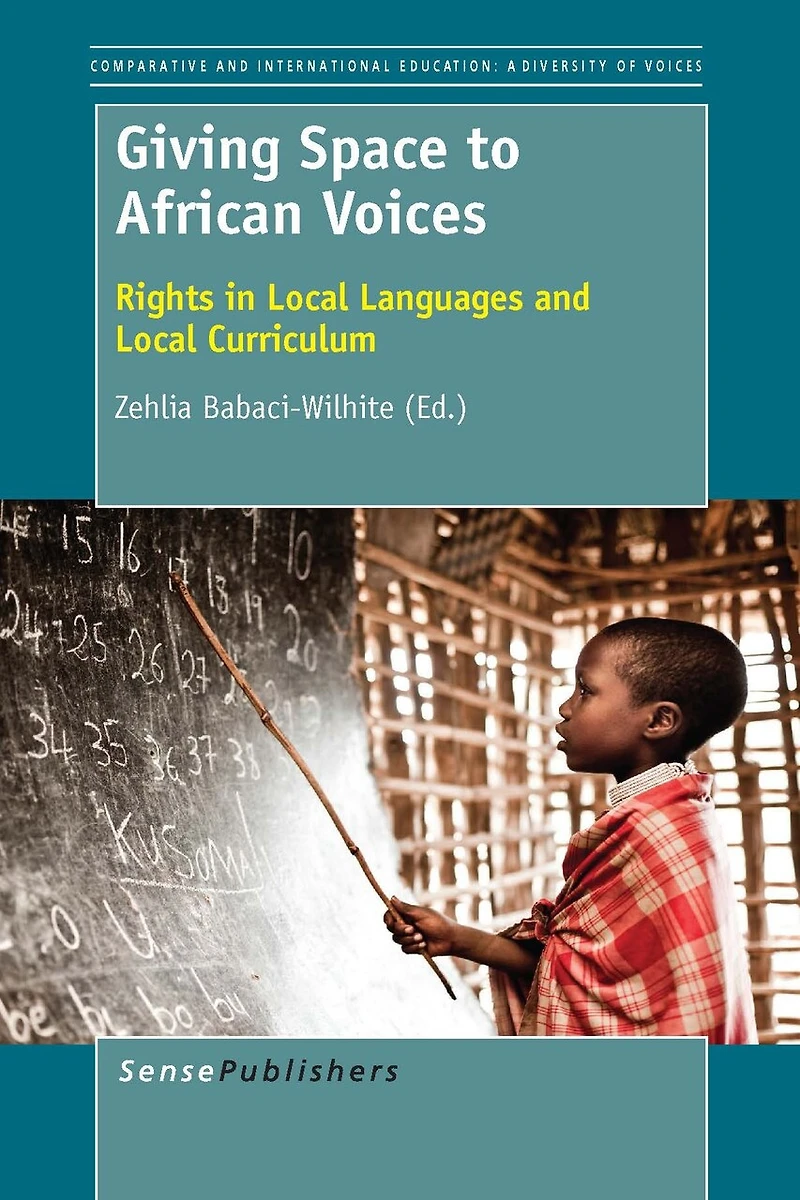
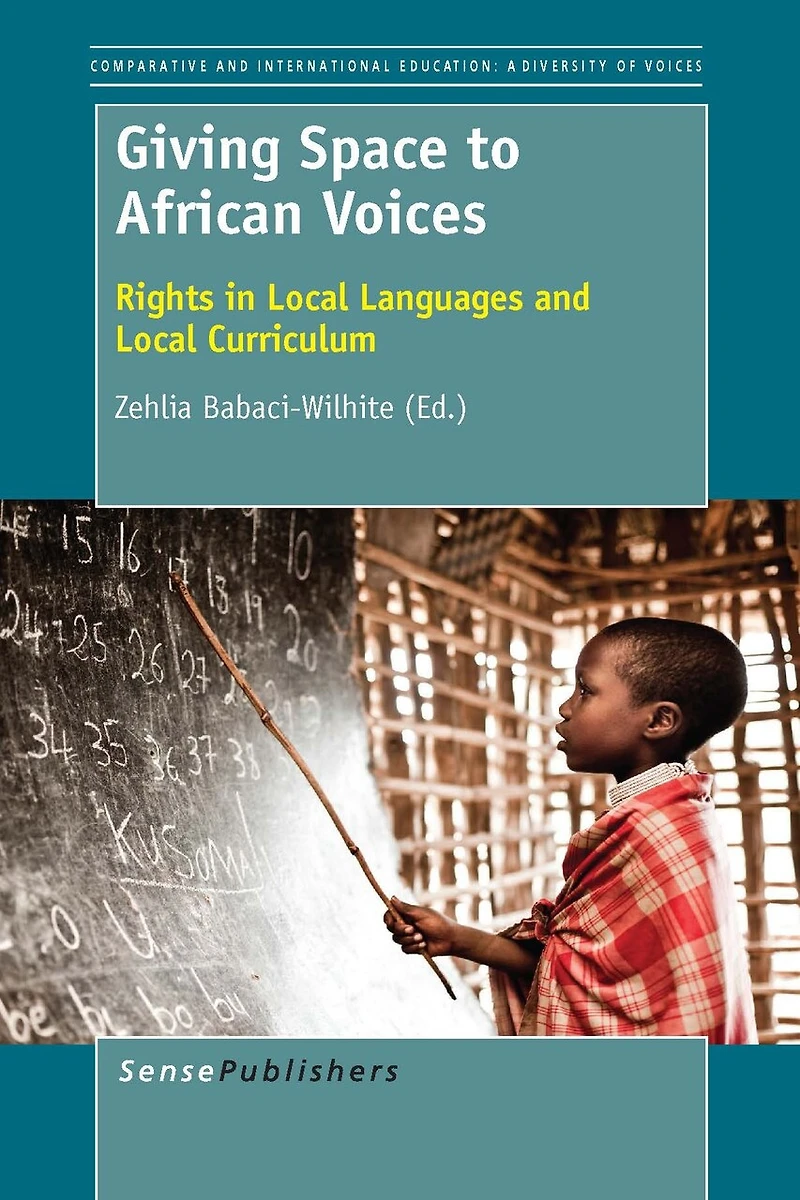
Giving Space to African Voices: Rights Local Languages and Curriculum in Grande Prairie, AB
Current price: $146.99
Coles
Giving Space to African Voices: Rights Local Languages and Curriculum in Grande Prairie, AB
Current price: $146.99
Loading Inventory...
Size: Hardcover
*Product information and pricing may vary - to confirm current pricing, availability, shipping, and return information please contact Coles. In the event of a pricing discrepancy, the retailer's price will apply.
This book sets out to bring voices of the South to the debate on localization of education and makes the case that it should be considered a right in education. Despite all the scientifically-based evidence on the improved quality of education through the use of a local language and local knowledge, English as a language of instruction and “Western” knowledge based curriculum continue to be used at all educational levels in many developing nations. This means that in many African countries, the goal of rights to education is becoming increasingly remote, let alone that of rights in education. With this understanding and with the awareness of the education challenges of millions of children throughout Africa, the authors argue that local curriculum through local languages needs to be valued and to be preserved, and that children need to be prepared for the world in a language that promotes understanding. The authors make a clear case that policy makers are in a position to work towards a quality education for all as part of a more comprehensive right-based approach. We owe it to the children of the South to offer the best quality education possible in order to achieve social justice.
This book sets out to bring voices of the South to the debate on localization of education and makes the case that it should be considered a right in education. Despite all the scientifically-based evidence on the improved quality of education through the use of a local language and local knowledge, English as a language of instruction and “Western” knowledge based curriculum continue to be used at all educational levels in many developing nations. This means that in many African countries, the goal of rights to education is becoming increasingly remote, let alone that of rights in education. With this understanding and with the awareness of the education challenges of millions of children throughout Africa, the authors argue that local curriculum through local languages needs to be valued and to be preserved, and that children need to be prepared for the world in a language that promotes understanding. The authors make a clear case that policy makers are in a position to work towards a quality education for all as part of a more comprehensive right-based approach. We owe it to the children of the South to offer the best quality education possible in order to achieve social justice.
You May Also Like








Find at Prairie Mall in Grande Prairie, AB
Visit at Prairie Mall in Grande Prairie, AB