


Gifting Made Simple
Give the Gift of ChoiceClick below to purchase a Prairie Mall eGift Card that can be used at participating retailers at Prairie Mall.Buy Gift CardHome
Germany's Belt and Road Bargain: The Effects of Corporate Preferences on Response to China's Politics Infrastructure Investments (2013 - 2021)
Coles
Loading Inventory...
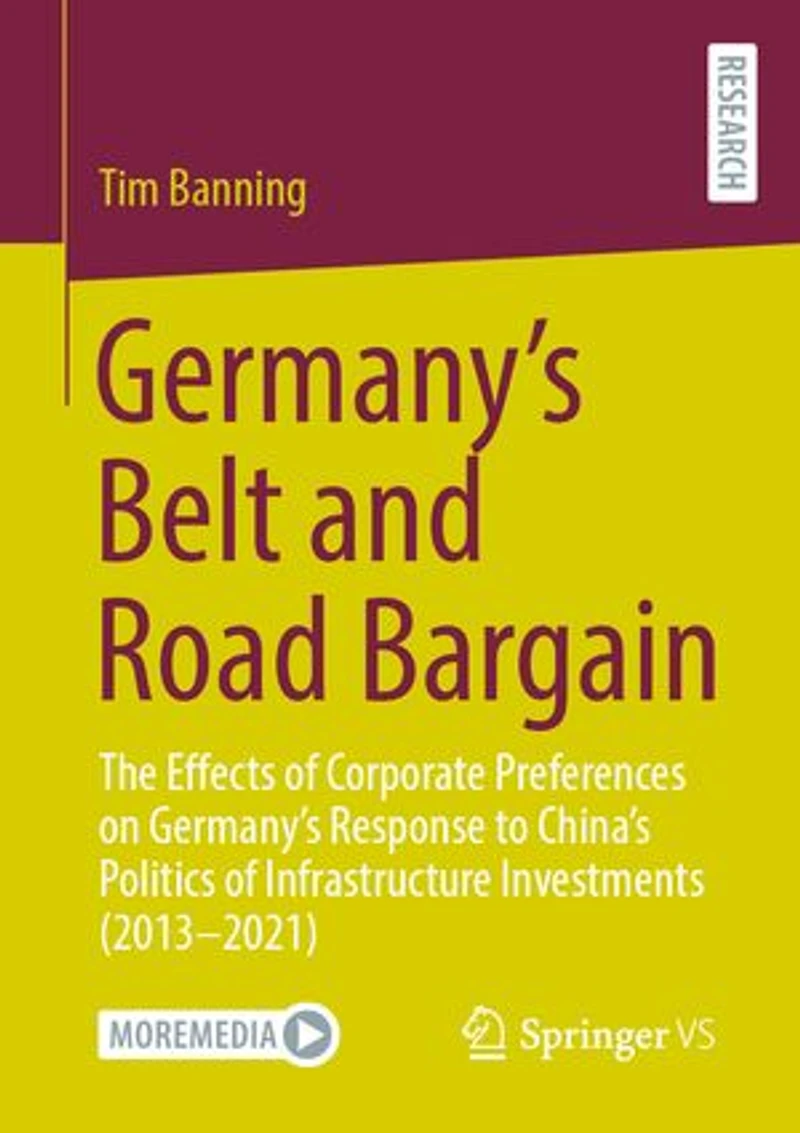
Germany's Belt and Road Bargain: The Effects of Corporate Preferences on Response to China's Politics Infrastructure Investments (2013 - 2021) in Grande Prairie, AB
Current price: $167.79
Original price: $209.63
Coles
Germany's Belt and Road Bargain: The Effects of Corporate Preferences on Response to China's Politics Infrastructure Investments (2013 - 2021) in Grande Prairie, AB
Current price: $167.79
Original price: $209.63
Loading Inventory...
Size: Kobo eBook
*Product information and pricing may vary - to confirm current pricing, availability, shipping, and return information please contact Coles. In the event of a pricing discrepancy, the retailer's price will apply.
In recent years, the Belt and Road Initiative (BRI) has not only transformed global trade relations but also tested Germany's political strategies. This book explores the German Federal Government's ambivalent response to China's politics of infrastructure investments under the BRI during Angela Merkel's tenure as Chancellor, raising crucial questions about Germany's bilateral relations with China, its economic ambition, and its geopolitical responsibility. This book provides a detailed account of the key political processes and decision points that influenced the Federal Government's stance towards China's politics of infrastructure investments. Through its analysis of the interactions between domestic politics and international relations, it aims to offer a nuanced understanding of the complex dynamics between the state and business. It examines how the varying interests of numerous industry sectors impacted the Federal Government's response to China's politics of infrastructure investments across multiple policy domains, covering Germany's policy on foreign investments and foreign trade, its industrial policy, its broader foreign policy, and its role in European politics.
In recent years, the Belt and Road Initiative (BRI) has not only transformed global trade relations but also tested Germany's political strategies. This book explores the German Federal Government's ambivalent response to China's politics of infrastructure investments under the BRI during Angela Merkel's tenure as Chancellor, raising crucial questions about Germany's bilateral relations with China, its economic ambition, and its geopolitical responsibility. This book provides a detailed account of the key political processes and decision points that influenced the Federal Government's stance towards China's politics of infrastructure investments. Through its analysis of the interactions between domestic politics and international relations, it aims to offer a nuanced understanding of the complex dynamics between the state and business. It examines how the varying interests of numerous industry sectors impacted the Federal Government's response to China's politics of infrastructure investments across multiple policy domains, covering Germany's policy on foreign investments and foreign trade, its industrial policy, its broader foreign policy, and its role in European politics.
You May Also Like
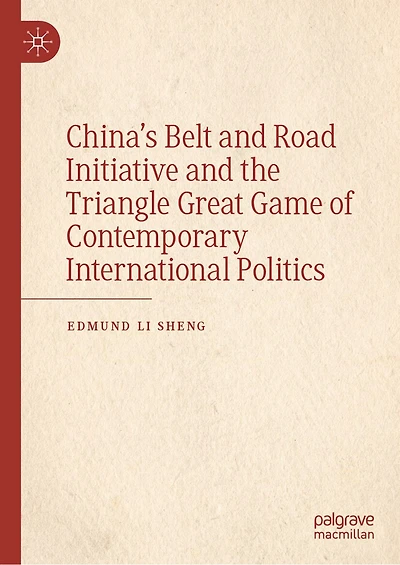


















Find at Prairie Mall in Grande Prairie, AB
Visit at Prairie Mall in Grande Prairie, AB