


Gifting Made Simple
Give the Gift of ChoiceClick below to purchase a Prairie Mall eGift Card that can be used at participating retailers at Prairie Mall.Buy Gift CardHome
Geopolitics, Trade Blocks, and the Fragmentation of World Commerce
Coles
Loading Inventory...
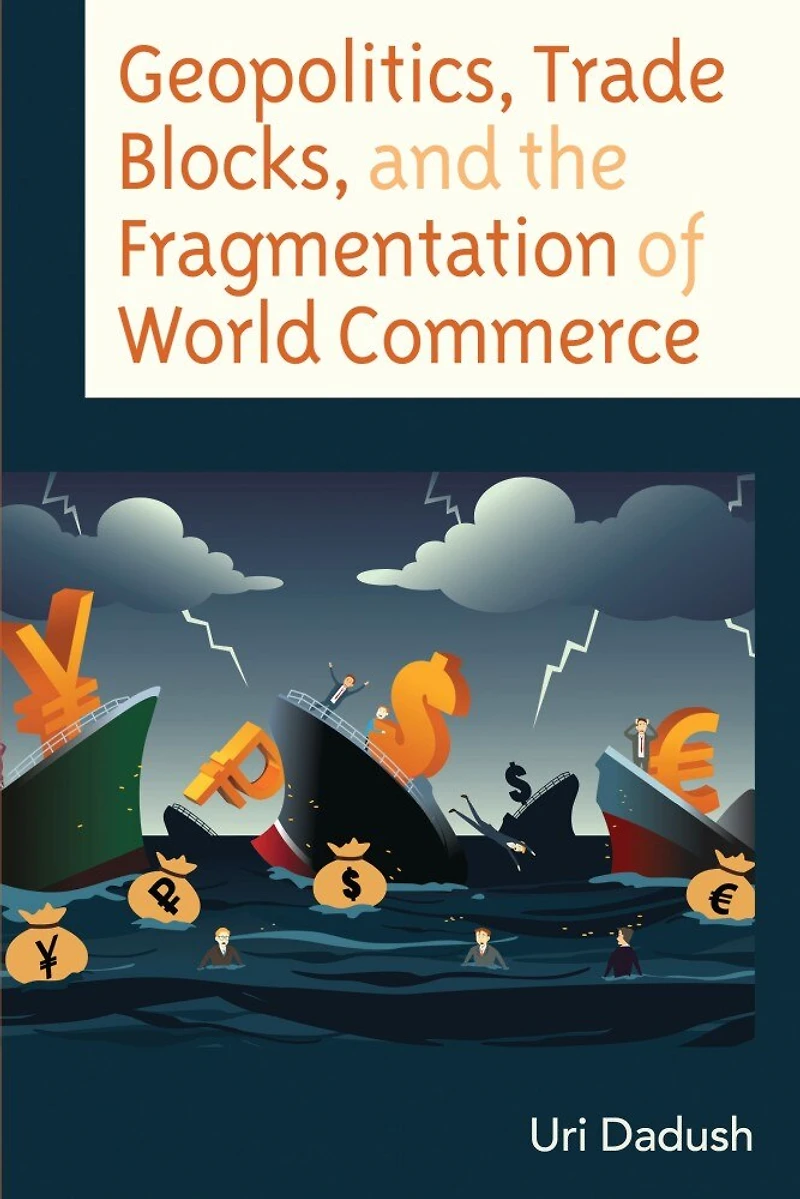
Geopolitics, Trade Blocks, and the Fragmentation of World Commerce in Grande Prairie, AB
Current price: $160.95
Coles
Geopolitics, Trade Blocks, and the Fragmentation of World Commerce in Grande Prairie, AB
Current price: $160.95
Loading Inventory...
Size: Hardcover
*Product information and pricing may vary - to confirm current pricing, availability, shipping, and return information please contact Coles. In the event of a pricing discrepancy, the retailer's price will apply.
The global economic edifice built after World War II is a source of unprecedented prosperity. It cannot function without open and predictable international trade, and the peaceful international relations that are its foundation. The rules that enable trade are under attack. Social divisions and great power rivalry have eroded the political support for open trade. The consequence is fragmentation of world trade, its separation into blocks that advance domestic producers or favored nations nearby. These blocs are themselves often pulled apart by competing agendas. The prospects are for vastly reduced economic efficiency and - most ominously - heightened geopolitical tensions. The questions about why this is happening, how economic fragmentation will evolve, and how to respond to it, are uppermost in the minds of policymakers and businesses across the world. These are the questions that Uri Dadush seeks to answer. Since the uncertainty cannot be dispelled, it must be better managed.
The global economic edifice built after World War II is a source of unprecedented prosperity. It cannot function without open and predictable international trade, and the peaceful international relations that are its foundation. The rules that enable trade are under attack. Social divisions and great power rivalry have eroded the political support for open trade. The consequence is fragmentation of world trade, its separation into blocks that advance domestic producers or favored nations nearby. These blocs are themselves often pulled apart by competing agendas. The prospects are for vastly reduced economic efficiency and - most ominously - heightened geopolitical tensions. The questions about why this is happening, how economic fragmentation will evolve, and how to respond to it, are uppermost in the minds of policymakers and businesses across the world. These are the questions that Uri Dadush seeks to answer. Since the uncertainty cannot be dispelled, it must be better managed.
You May Also Like

![Annual Statement of the Trade and Commerce of St. Louis ...: Reported to the Merchants' Exchange ... by ... [The] Secretary](https://cdn.mall.adeptmind.ai/https%253A%252F%252Fcdn.shopify.com%252Fs%252Ffiles%252F1%252F0655%252F8980%252F5233%252Ffiles%252F1_1d96cda6-f940-43b7-99dd-bc5311b7c5ed.jpg_medium.webp)








Find at Prairie Mall in Grande Prairie, AB
Visit at Prairie Mall in Grande Prairie, AB