


Gifting Made Simple
Give the Gift of ChoiceClick below to purchase a Prairie Mall eGift Card that can be used at participating retailers at Prairie Mall.Buy Gift CardHome
Genealogical Fictions: Limpieza de Sangre, Religion, and Gender Colonial Mexico
Coles
Loading Inventory...
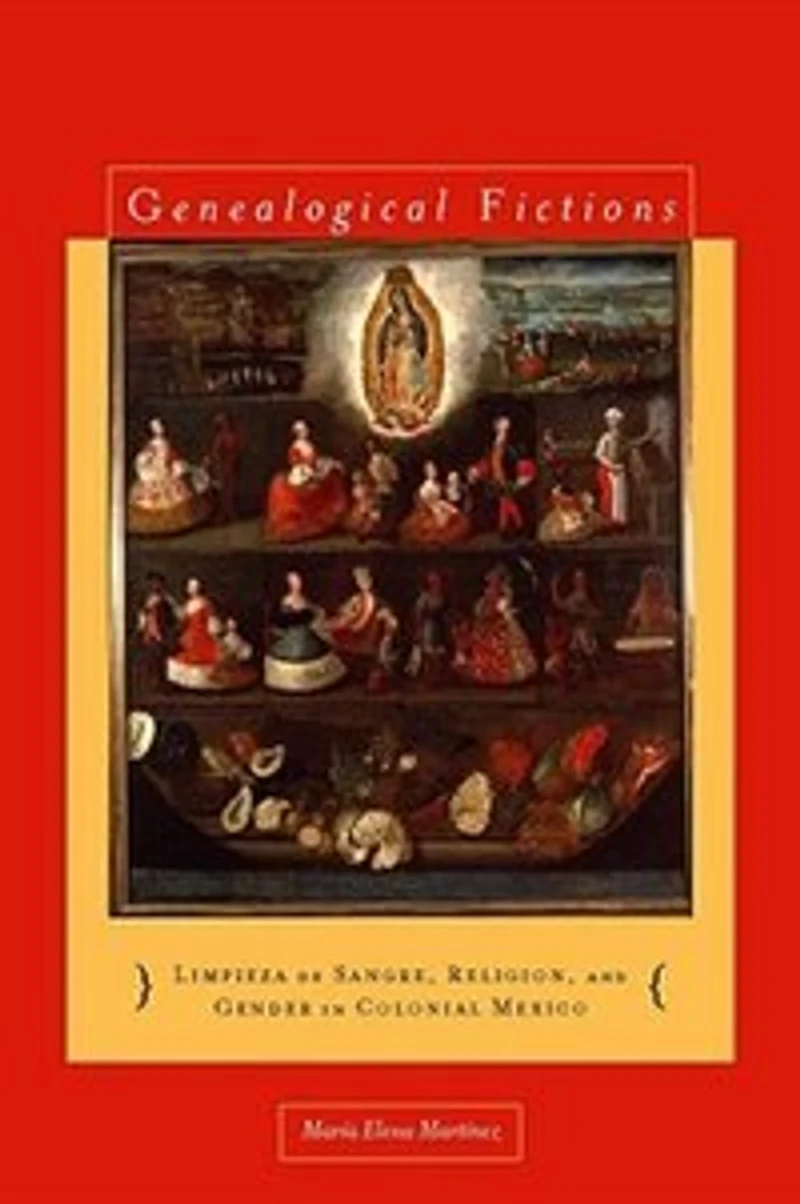
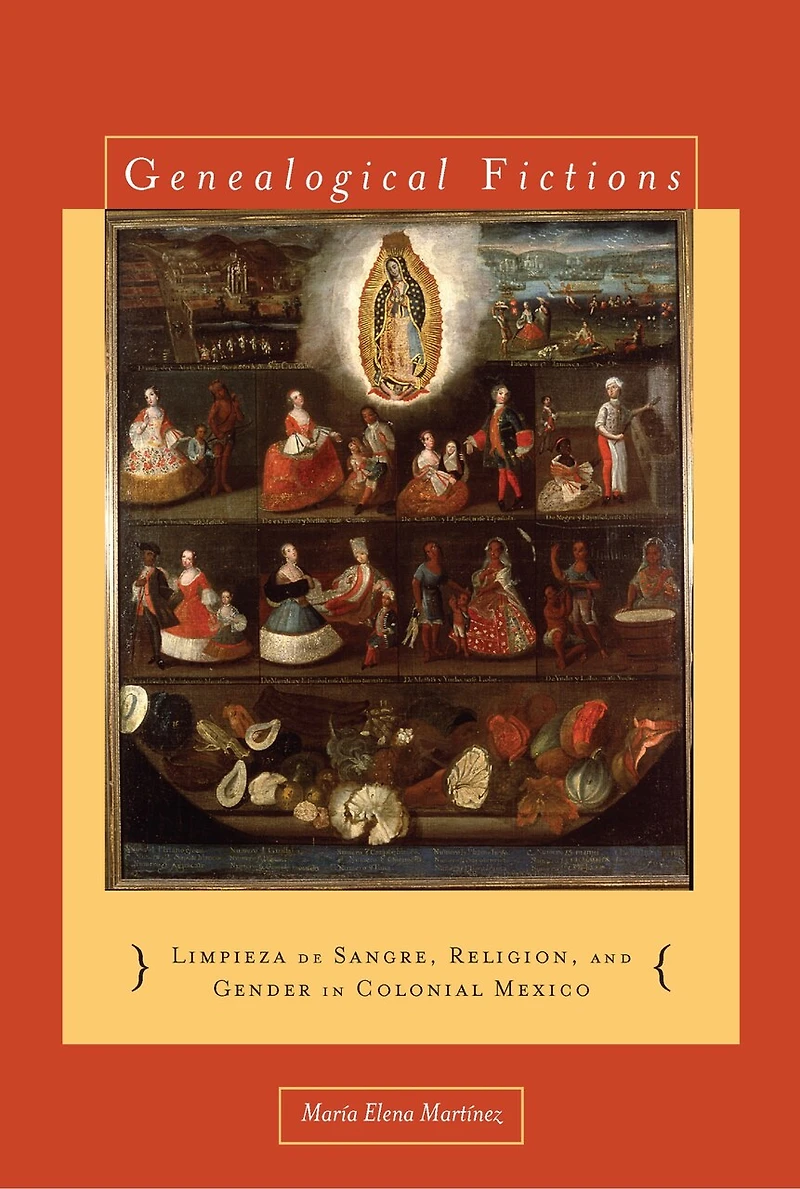
Genealogical Fictions: Limpieza de Sangre, Religion, and Gender Colonial Mexico in Grande Prairie, AB
Current price: $192.99
Coles
Genealogical Fictions: Limpieza de Sangre, Religion, and Gender Colonial Mexico in Grande Prairie, AB
Current price: $192.99
Loading Inventory...
Size: Hardcover
*Product information and pricing may vary - to confirm current pricing, availability, shipping, and return information please contact Coles. In the event of a pricing discrepancy, the retailer's price will apply.
María Elena Martínez's Genealogical Fictions is the first in-depth study of the relationship between the Spanish concept of limpieza de sangre (purity of blood) and colonial Mexico's sistema de castas , a hierarchical system of social classification based primarily on ancestry. Specifically, it explains how this notion surfaced amid socio-religious tensions in early modern Spain, and was initially used against Jewish and Muslim converts to Christianity. It was then transplanted to the Americas, adapted to colonial conditions, and employed to create and reproduce identity categories according to descent. Martínez also examines how the state, church, Inquisition, and other institutions in colonial Mexico used the notion of purity of blood over time, arguing that the concept's enduring religious, genealogical, and gendered meanings and the archival practices it promoted came to shape the region's patriotic and racial ideologies.
María Elena Martínez's Genealogical Fictions is the first in-depth study of the relationship between the Spanish concept of limpieza de sangre (purity of blood) and colonial Mexico's sistema de castas , a hierarchical system of social classification based primarily on ancestry. Specifically, it explains how this notion surfaced amid socio-religious tensions in early modern Spain, and was initially used against Jewish and Muslim converts to Christianity. It was then transplanted to the Americas, adapted to colonial conditions, and employed to create and reproduce identity categories according to descent. Martínez also examines how the state, church, Inquisition, and other institutions in colonial Mexico used the notion of purity of blood over time, arguing that the concept's enduring religious, genealogical, and gendered meanings and the archival practices it promoted came to shape the region's patriotic and racial ideologies.
You May Also Like









Find at Prairie Mall in Grande Prairie, AB
Visit at Prairie Mall in Grande Prairie, AB