


Gifting Made Simple
Give the Gift of ChoiceClick below to purchase a Prairie Mall eGift Card that can be used at participating retailers at Prairie Mall.Buy Gift CardHome
Gender Work and the Transition to Modernity Northwestern Europe 1720 1880
Coles
Loading Inventory...
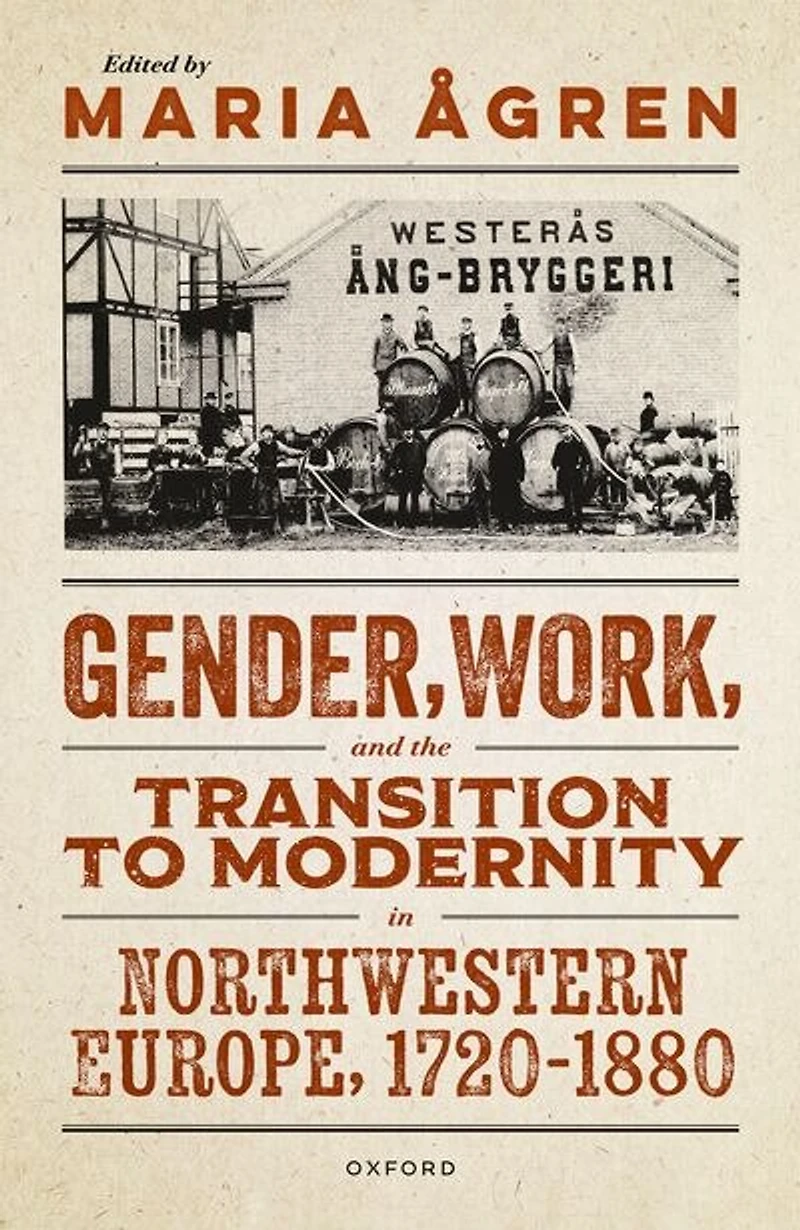
Gender Work and the Transition to Modernity Northwestern Europe 1720 1880 in Grande Prairie, AB
Current price: $220.00
Coles
Gender Work and the Transition to Modernity Northwestern Europe 1720 1880 in Grande Prairie, AB
Current price: $220.00
Loading Inventory...
Size: Hardcover
*Product information and pricing may vary - to confirm current pricing, availability, shipping, and return information please contact Coles. In the event of a pricing discrepancy, the retailer's price will apply.
It is well-known that gender distinctions structure the modern labour market, but why is this so and how far back in time does the pattern extend? Gender, Work, and the Transition to Modernity in Northwestern Europe, 1720-1880 uses a unique method to map and explain how gender rather than marital status came to be important. Gender, Work, and the Transition to Modernity in Northwestern Europe, 1720-1880 investigates how and why the division of work between men and women changed in the transition from early modern to modern society. Based on the verb-oriented method and around 19,000 observations of work activities in historical sources, its focus is on a mid-Swedish local society in the period 1720 to 1880. There were several continuities across this time: both women and men were observed in practically all forms of work, many households (both affluent and destitute) still relied on multiple sources of income, and the marital partnership continued to be important for what women and men did to support themselves. Yet, there was also change: tasks that conferred authority were gradually masculinised, the differences between married and unmarried women with respect to work declined, and while women remained mobile, men's work-related mobility increased. In an even longer time perspective, from 1550 to 1880, gender slowly became more important for what types of work people did. The main reason behind this development was increasing social differentiation and shifts in labour relations. The growing impact of gender was not the result of a trickling down of new middle-class ideals, nor the effect of new preferences, nor a consequence of a separation of home and work. Instead, differences grew because more people were in a position where someone else - an employer - controlled how they used their time.
It is well-known that gender distinctions structure the modern labour market, but why is this so and how far back in time does the pattern extend? Gender, Work, and the Transition to Modernity in Northwestern Europe, 1720-1880 uses a unique method to map and explain how gender rather than marital status came to be important. Gender, Work, and the Transition to Modernity in Northwestern Europe, 1720-1880 investigates how and why the division of work between men and women changed in the transition from early modern to modern society. Based on the verb-oriented method and around 19,000 observations of work activities in historical sources, its focus is on a mid-Swedish local society in the period 1720 to 1880. There were several continuities across this time: both women and men were observed in practically all forms of work, many households (both affluent and destitute) still relied on multiple sources of income, and the marital partnership continued to be important for what women and men did to support themselves. Yet, there was also change: tasks that conferred authority were gradually masculinised, the differences between married and unmarried women with respect to work declined, and while women remained mobile, men's work-related mobility increased. In an even longer time perspective, from 1550 to 1880, gender slowly became more important for what types of work people did. The main reason behind this development was increasing social differentiation and shifts in labour relations. The growing impact of gender was not the result of a trickling down of new middle-class ideals, nor the effect of new preferences, nor a consequence of a separation of home and work. Instead, differences grew because more people were in a position where someone else - an employer - controlled how they used their time.
You May Also Like










Find at Prairie Mall in Grande Prairie, AB
Visit at Prairie Mall in Grande Prairie, AB