


Gifting Made Simple
Give the Gift of ChoiceClick below to purchase a Prairie Mall eGift Card that can be used at participating retailers at Prairie Mall.Buy Gift CardHome
Gender And The Open Method Of Coordination: Perspectives On Law, Governance And Equality In The Eu
Coles
Loading Inventory...
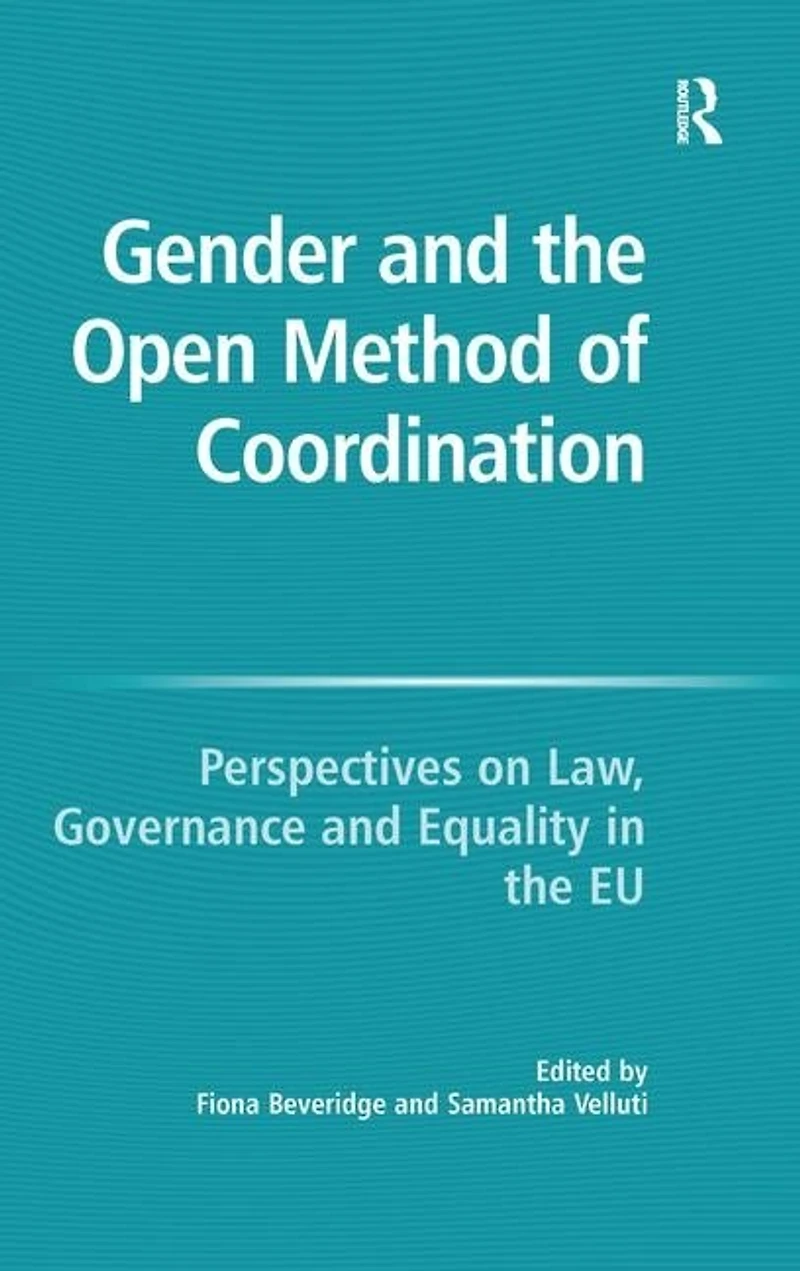
Gender And The Open Method Of Coordination: Perspectives On Law, Governance And Equality In The Eu in Grande Prairie, AB
Current price: $224.00
Coles
Gender And The Open Method Of Coordination: Perspectives On Law, Governance And Equality In The Eu in Grande Prairie, AB
Current price: $224.00
Loading Inventory...
Size: Hardcover
*Product information and pricing may vary - to confirm current pricing, availability, shipping, and return information please contact Coles. In the event of a pricing discrepancy, the retailer's price will apply.
Containing contributions by some of the best known researchers in the field, this volume considers the intersection between the Open Method of Coordination (OMC), a relatively new mode of policy-making, and gender equality, a long-standing area of EU policy. It draws on a range of disciplinary perspectives to examine the effectiveness of the OMC as a medium for the advancement of gender equality within the EU. It also considers gender in the OMC in a variety of contexts and at both a general EU and Member State level. Central to the discussion is the concept of gender mainstreaming which proposes that a gender equality perspective should be incorporated at every level and opportunity of EU policy and practice. The authors assess how successful this has been in the context of the OMC. The book provides a unique and contemporary body of work on the OMC which adds significantly to existing understandings of this form of governance and informs critical debate of EU social governance.
Containing contributions by some of the best known researchers in the field, this volume considers the intersection between the Open Method of Coordination (OMC), a relatively new mode of policy-making, and gender equality, a long-standing area of EU policy. It draws on a range of disciplinary perspectives to examine the effectiveness of the OMC as a medium for the advancement of gender equality within the EU. It also considers gender in the OMC in a variety of contexts and at both a general EU and Member State level. Central to the discussion is the concept of gender mainstreaming which proposes that a gender equality perspective should be incorporated at every level and opportunity of EU policy and practice. The authors assess how successful this has been in the context of the OMC. The book provides a unique and contemporary body of work on the OMC which adds significantly to existing understandings of this form of governance and informs critical debate of EU social governance.
You May Also Like








Find at Prairie Mall in Grande Prairie, AB
Visit at Prairie Mall in Grande Prairie, AB