


Gifting Made Simple
Give the Gift of ChoiceClick below to purchase a Prairie Mall eGift Card that can be used at participating retailers at Prairie Mall.Buy Gift CardHome
Gayatri Spivak: Ethics, Subalternity and the Critique of Postcolonial Reason
Coles
Loading Inventory...
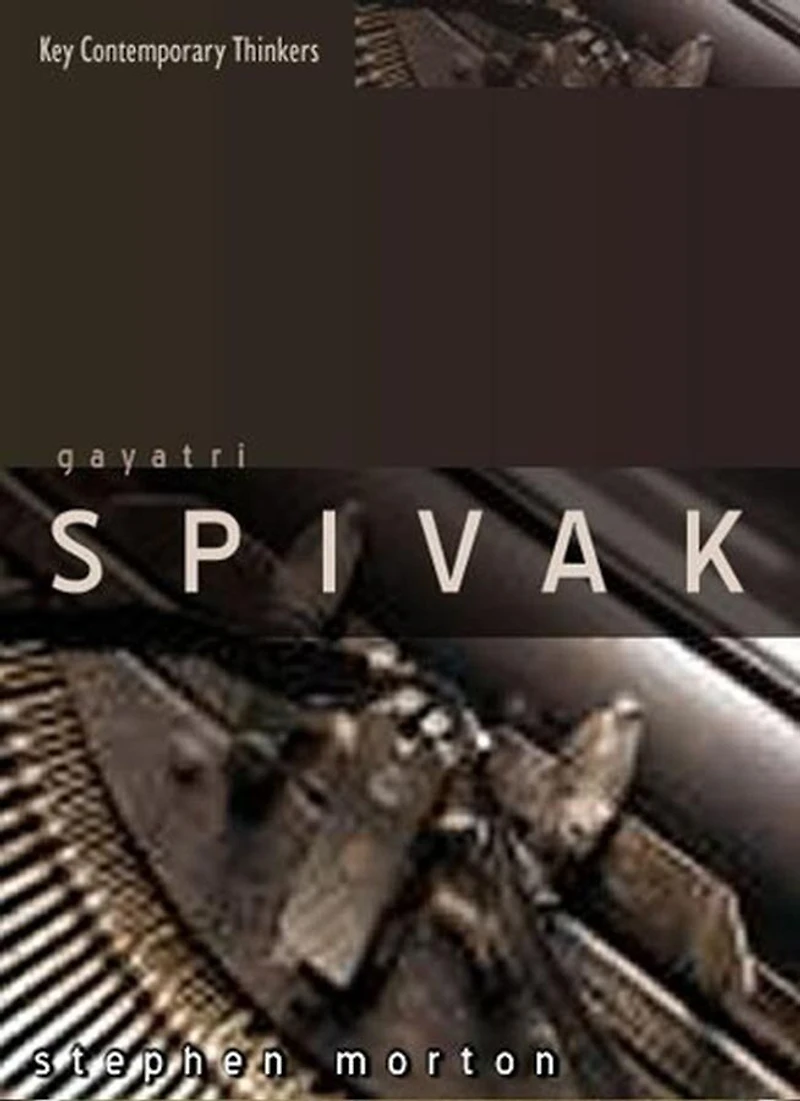
Gayatri Spivak: Ethics, Subalternity and the Critique of Postcolonial Reason in Grande Prairie, AB
Current price: $32.33
Coles
Gayatri Spivak: Ethics, Subalternity and the Critique of Postcolonial Reason in Grande Prairie, AB
Current price: $32.33
Loading Inventory...
Size: Paperback
*Product information and pricing may vary - to confirm current pricing, availability, shipping, and return information please contact Coles. In the event of a pricing discrepancy, the retailer's price will apply.
Gayatri Chakravorty Spivaks seminal contribution to contemporary thought defies disciplinary boundaries. From her early translations of Derrida to her subsequent engagement with Marxism, feminism and postcolonial studies and her recent work on human rights, the war on terror and globalization, she has proved to be one of the most vital of present-day thinkers. In this book Stephen Morton offers a wide-ranging introduction to and critique of Spivaks work. He examines her engagements with philosophers and other thinkers from Kant to Paul de Man, feminists from Cixous to Helie-Lucas and literary texts by Charlotte Bronte, J. M. Coetzee, Mahasweta Devi and Jean Rhys. Spivaks thought is also situated in relation to subaltern studies. Throughout the book, Morton interrogates the materialist basis of Spivaks thought and demonstrates the ethical and political commitment which lies at the heart of her work. Stephen Morton provides an ideal introduction to the work of this complex and increasingly important thinker.
Gayatri Chakravorty Spivaks seminal contribution to contemporary thought defies disciplinary boundaries. From her early translations of Derrida to her subsequent engagement with Marxism, feminism and postcolonial studies and her recent work on human rights, the war on terror and globalization, she has proved to be one of the most vital of present-day thinkers. In this book Stephen Morton offers a wide-ranging introduction to and critique of Spivaks work. He examines her engagements with philosophers and other thinkers from Kant to Paul de Man, feminists from Cixous to Helie-Lucas and literary texts by Charlotte Bronte, J. M. Coetzee, Mahasweta Devi and Jean Rhys. Spivaks thought is also situated in relation to subaltern studies. Throughout the book, Morton interrogates the materialist basis of Spivaks thought and demonstrates the ethical and political commitment which lies at the heart of her work. Stephen Morton provides an ideal introduction to the work of this complex and increasingly important thinker.
You May Also Like


















Find at Prairie Mall in Grande Prairie, AB
Visit at Prairie Mall in Grande Prairie, AB