


Gifting Made Simple
Give the Gift of ChoiceClick below to purchase a Prairie Mall eGift Card that can be used at participating retailers at Prairie Mall.Buy Gift CardHome
Gardens of Gold: Place-Making Papua New Guinea
Coles
Loading Inventory...
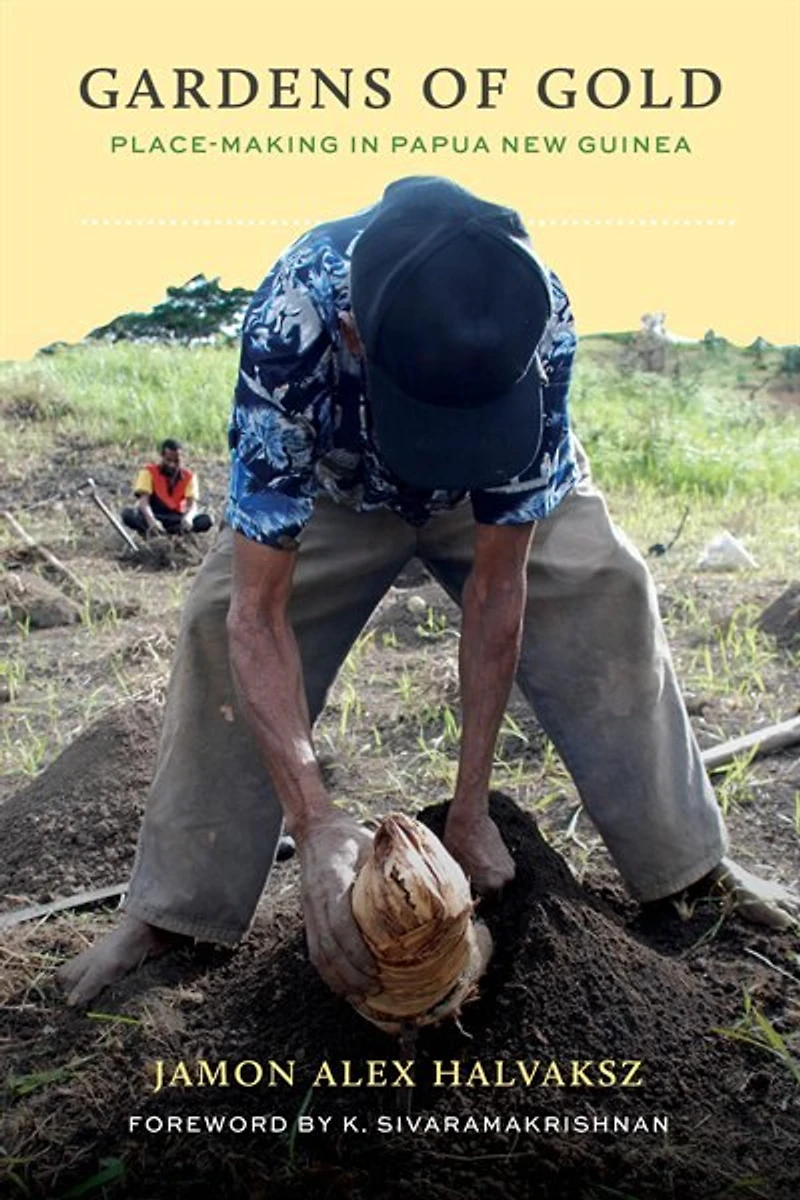
Gardens of Gold: Place-Making Papua New Guinea in Grande Prairie, AB
Current price: $143.00
Coles
Gardens of Gold: Place-Making Papua New Guinea in Grande Prairie, AB
Current price: $143.00
Loading Inventory...
Size: Hardcover
*Product information and pricing may vary - to confirm current pricing, availability, shipping, and return information please contact Coles. In the event of a pricing discrepancy, the retailer's price will apply.
?This is a soya bean,? the Biangai villager explained, ?a money bean.?
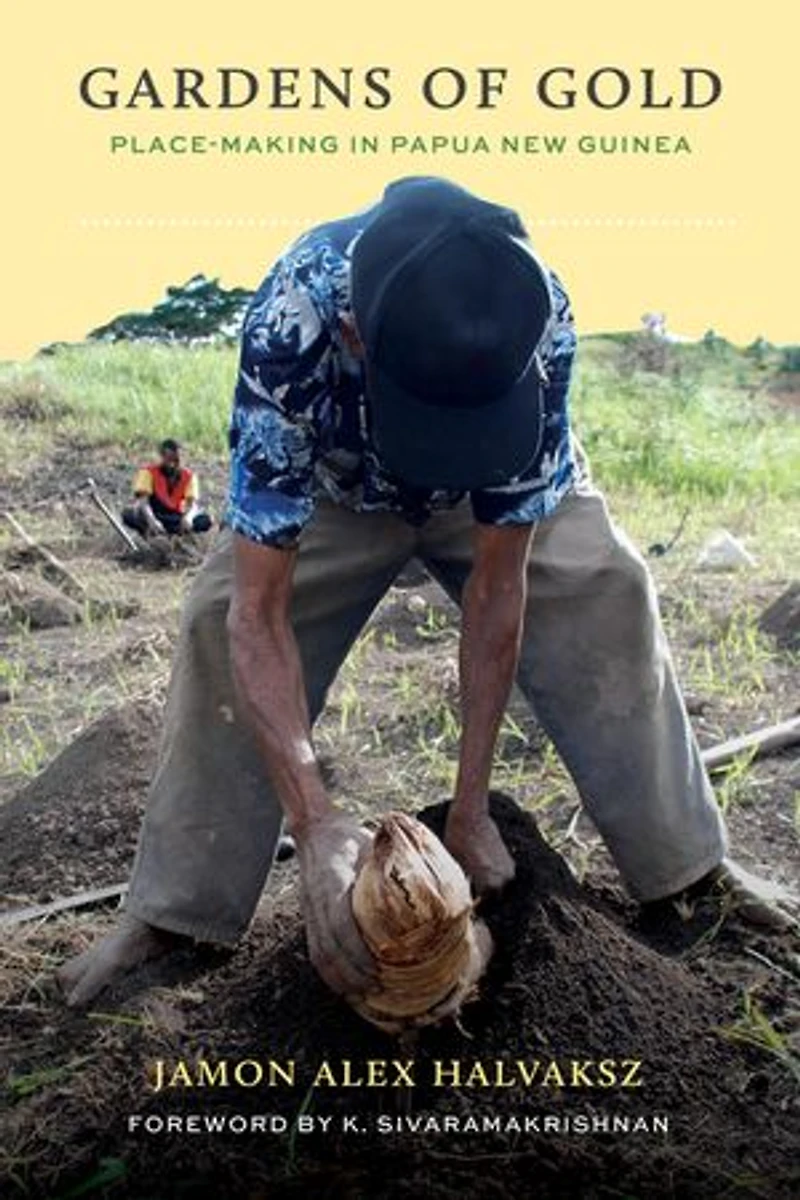
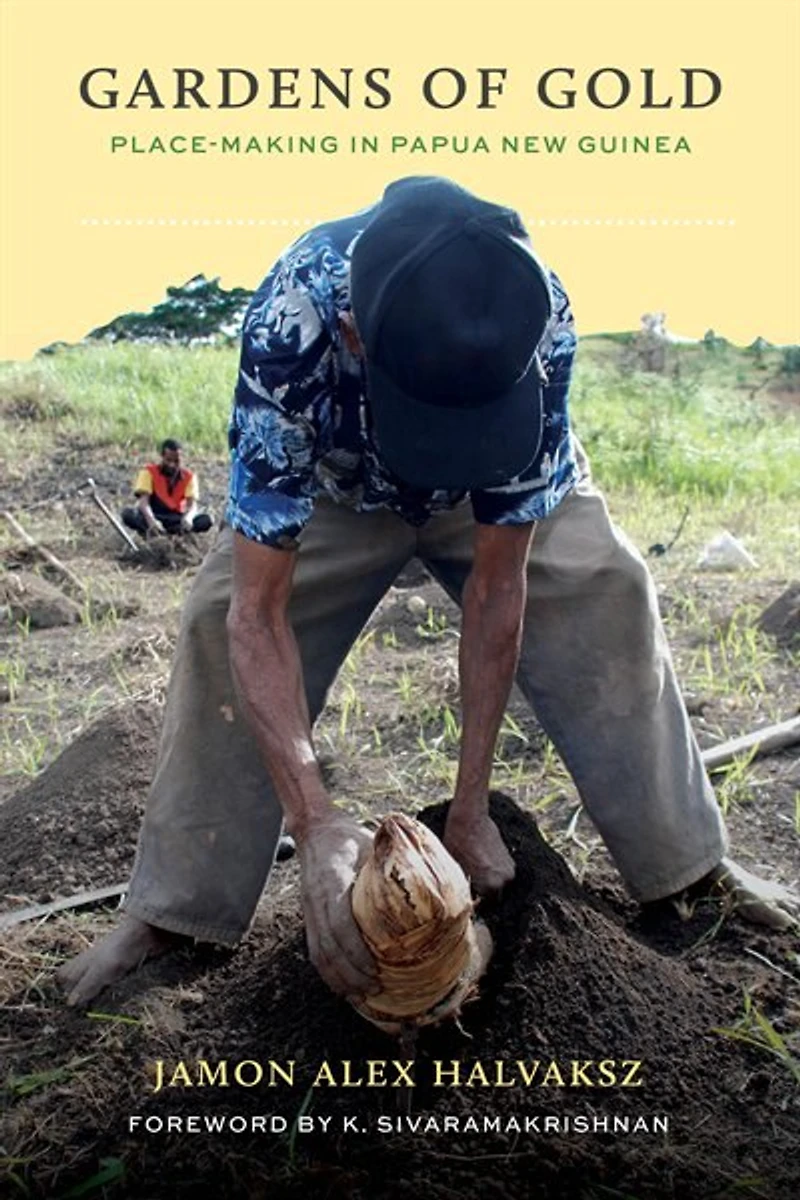
Since the start of colonial gold mining in the early 1920s, the Biangai villagers of Elauru and Winima in Papua New Guinea have moved away from planting yams and other subsistence foods to instead cultivating coffee and other cash crops and dishing for tradable flakes of gold. Decades of industrial gold mining, land development, conservation efforts, and biological research have wrought transformations in the landscape and entwined traditional Biangai gardening practices with Western capital, disrupting the relationship between place and person and the social reproduction of a community.
Drawing from extensive ethnographic research, Jamon Halvaksz examines the role of place in informing indigenous relationships with conservation and development. How do Biangai make meaning with the physical world? Collapsing Western distinctions between self and an earthly other, Halvaksz shows us it is a sense of place?grounded in productive relationships between nature and culture?that connects Biangai to one another as ?placepersons? and enables them to navigate global forces amid changing local and regional economies. Centering local responses along the frontiers of resource extraction, Gardens of Gold contributes to our understanding of how neoliberal economic practices intervene in place-based economies and identities.
?This is a soya bean,? the Biangai villager explained, ?a money bean.?
Since the start of colonial gold mining in the early 1920s, the Biangai villagers of Elauru and Winima in Papua New Guinea have moved away from planting yams and other subsistence foods to instead cultivating coffee and other cash crops and dishing for tradable flakes of gold. Decades of industrial gold mining, land development, conservation efforts, and biological research have wrought transformations in the landscape and entwined traditional Biangai gardening practices with Western capital, disrupting the relationship between place and person and the social reproduction of a community.
Drawing from extensive ethnographic research, Jamon Halvaksz examines the role of place in informing indigenous relationships with conservation and development. How do Biangai make meaning with the physical world? Collapsing Western distinctions between self and an earthly other, Halvaksz shows us it is a sense of place?grounded in productive relationships between nature and culture?that connects Biangai to one another as ?placepersons? and enables them to navigate global forces amid changing local and regional economies. Centering local responses along the frontiers of resource extraction, Gardens of Gold contributes to our understanding of how neoliberal economic practices intervene in place-based economies and identities.
You May Also Like










Find at Prairie Mall in Grande Prairie, AB
Visit at Prairie Mall in Grande Prairie, AB