


Gifting Made Simple
Give the Gift of ChoiceClick below to purchase a Prairie Mall eGift Card that can be used at participating retailers at Prairie Mall.Buy Gift CardHome
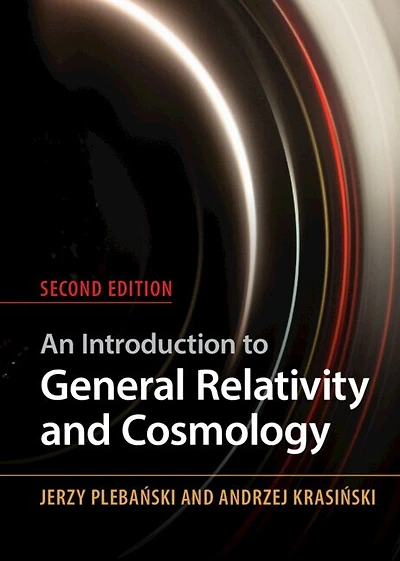
Fundamentals of Cosmology
Coles
Loading Inventory...
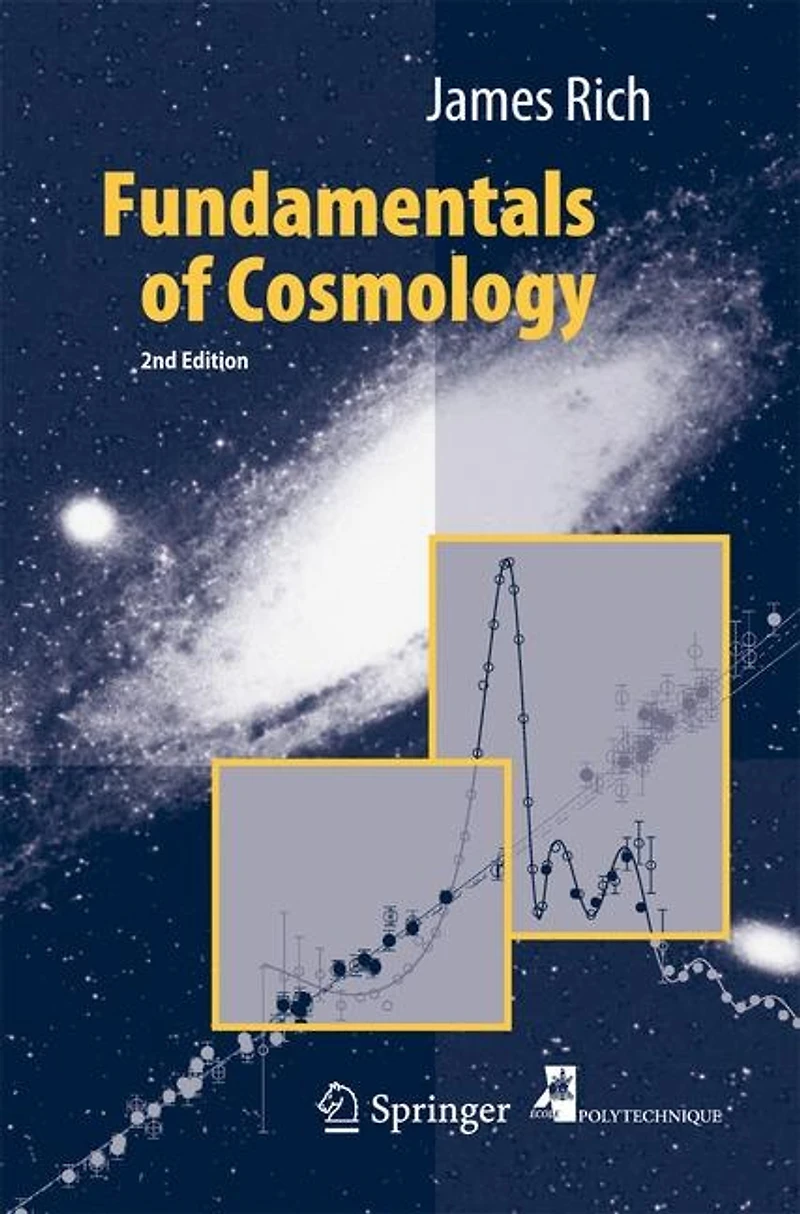
Fundamentals of Cosmology in Grande Prairie, AB
Current price: $124.50
Coles
Fundamentals of Cosmology in Grande Prairie, AB
Current price: $124.50
Loading Inventory...
Size: Hardcover
*Product information and pricing may vary - to confirm current pricing, availability, shipping, and return information please contact Coles. In the event of a pricing discrepancy, the retailer's price will apply.
Thisisthesecondeditionofabookonthephenomenological foundations ofmodern cosmology. The ?rst edition was surprisingly well timed. In the preceding 3 years, advances in astronomy had laid the foundations of the dark-energy/dark-matter c- mological model. In 1998, observations of type Ia supernova by the Supernova C- mology Project and High Z team suggested that the expansion of the universe is accelerating. In 2000, Boomerang and Maxima observed clearly the ?rst acoustic peak in the anisotropy spectrum of the cosmic microwave background. The position of the peak strongly suggested that the density of the universe was near critical. These two observations reconciled popular in?ationary models with the heretofore embarrassing insistence by astronomers that the clumping of galaxies required that the mass density of the universe be only about 25% of the critical density. The sup- nova data told us that the rest was dark energy in the form of an effective vacuum energy or cosmological constant. The so-called LambdaCDM model became the standard model. Eight years later, the observational data has improved tremendously as a c- parison of the ?gures in the two editions will demonstrate. Surprisingly, all this incredible data has failed to ?nd any clear failure of the?CDM model. Among the observational advances, the most obvious comes from the WMAP satellitewho, alongtheground-basedexperimentslikeACBAR, yieldedtheexquisite series of peaks in the CMB temperature anisotropy spectrum shown in Fig. 7.11.
Thisisthesecondeditionofabookonthephenomenological foundations ofmodern cosmology. The ?rst edition was surprisingly well timed. In the preceding 3 years, advances in astronomy had laid the foundations of the dark-energy/dark-matter c- mological model. In 1998, observations of type Ia supernova by the Supernova C- mology Project and High Z team suggested that the expansion of the universe is accelerating. In 2000, Boomerang and Maxima observed clearly the ?rst acoustic peak in the anisotropy spectrum of the cosmic microwave background. The position of the peak strongly suggested that the density of the universe was near critical. These two observations reconciled popular in?ationary models with the heretofore embarrassing insistence by astronomers that the clumping of galaxies required that the mass density of the universe be only about 25% of the critical density. The sup- nova data told us that the rest was dark energy in the form of an effective vacuum energy or cosmological constant. The so-called LambdaCDM model became the standard model. Eight years later, the observational data has improved tremendously as a c- parison of the ?gures in the two editions will demonstrate. Surprisingly, all this incredible data has failed to ?nd any clear failure of the?CDM model. Among the observational advances, the most obvious comes from the WMAP satellitewho, alongtheground-basedexperimentslikeACBAR, yieldedtheexquisite series of peaks in the CMB temperature anisotropy spectrum shown in Fig. 7.11.
You May Also Like









Find at Prairie Mall in Grande Prairie, AB
Visit at Prairie Mall in Grande Prairie, AB