


Gifting Made Simple
Give the Gift of ChoiceClick below to purchase a Prairie Mall eGift Card that can be used at participating retailers at Prairie Mall.Buy Gift CardHome
Frenzy Early Modern England: Madness, Brain Disease and the Soul
Coles
Loading Inventory...
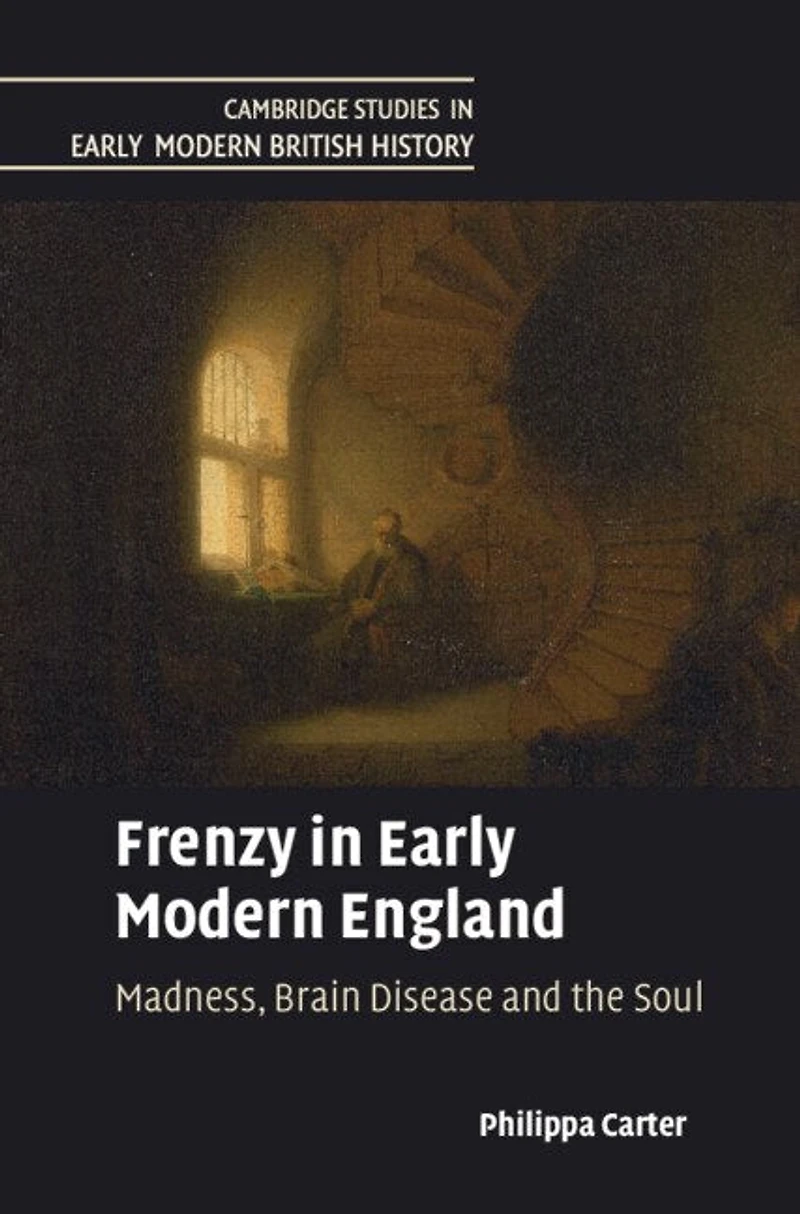
Frenzy Early Modern England: Madness, Brain Disease and the Soul in Grande Prairie, AB
Current price: $157.78
Coles
Frenzy Early Modern England: Madness, Brain Disease and the Soul in Grande Prairie, AB
Current price: $157.78
Loading Inventory...
Size: Hardcover
*Product information and pricing may vary - to confirm current pricing, availability, shipping, and return information please contact Coles. In the event of a pricing discrepancy, the retailer's price will apply.
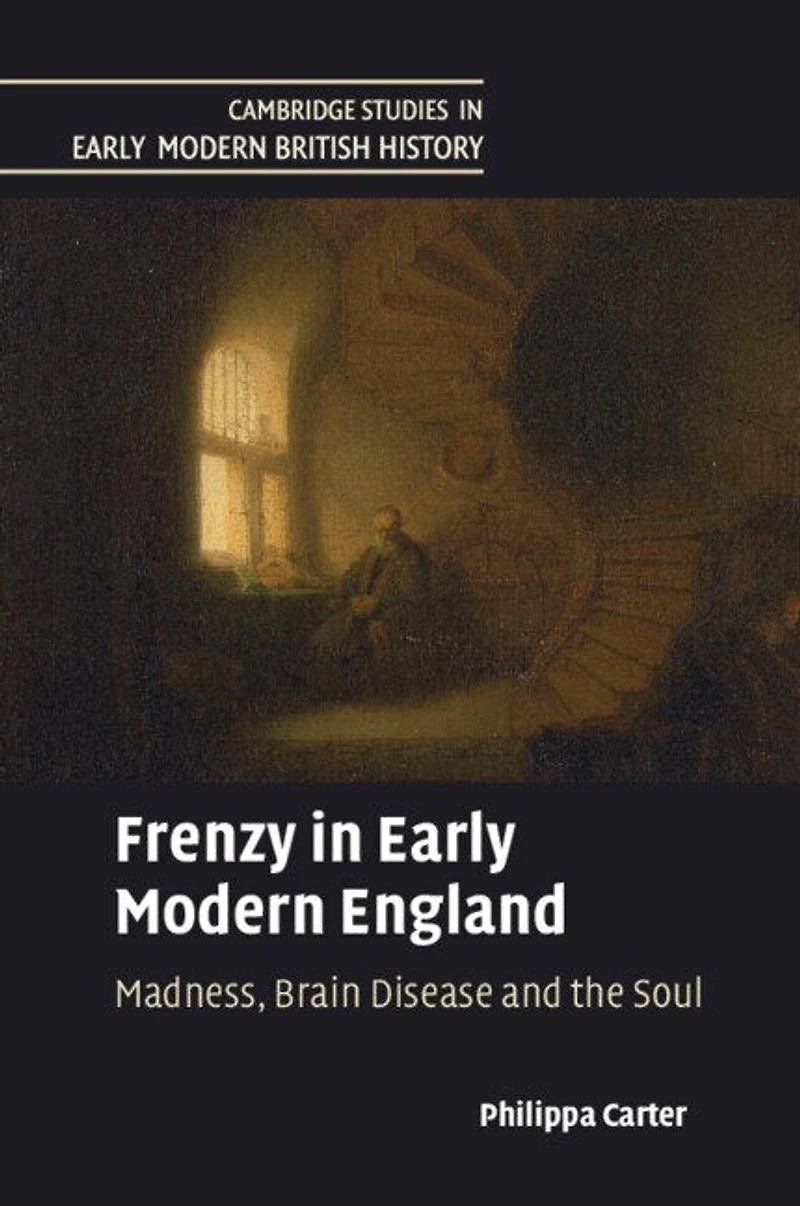
Today, frenzy is the stuff of newspaper headlines. Five hundred years ago, it described a disease which could kill its sufferers within days. This book offers the first full-length study of frenzy, providing a fresh perspective on early modern understandings of mental illness, mind-body relations, and personhood. Frenzy was frightening not just because it killed its sufferers, but because it changed them beyond recognition. It gave the impression that what was then the most precious part of the person – the soul – was as easy to damage as the body. Frenzy in Early Modern England deepens and complicates our sense of what madness meant in this period, both to those who assigned the label, and to those who lived with it. This is an important intervention in the often-fragmented historiography of early modern madness, combining intellectual, social, and cultural history with the history of medicine.
Today, frenzy is the stuff of newspaper headlines. Five hundred years ago, it described a disease which could kill its sufferers within days. This book offers the first full-length study of frenzy, providing a fresh perspective on early modern understandings of mental illness, mind-body relations, and personhood. Frenzy was frightening not just because it killed its sufferers, but because it changed them beyond recognition. It gave the impression that what was then the most precious part of the person – the soul – was as easy to damage as the body. Frenzy in Early Modern England deepens and complicates our sense of what madness meant in this period, both to those who assigned the label, and to those who lived with it. This is an important intervention in the often-fragmented historiography of early modern madness, combining intellectual, social, and cultural history with the history of medicine.
You May Also Like











Find at Prairie Mall in Grande Prairie, AB
Visit at Prairie Mall in Grande Prairie, AB