


Gifting Made Simple
Give the Gift of ChoiceClick below to purchase a Prairie Mall eGift Card that can be used at participating retailers at Prairie Mall.Buy Gift CardHome
Frank Bowling: Sculpture
Coles
Loading Inventory...
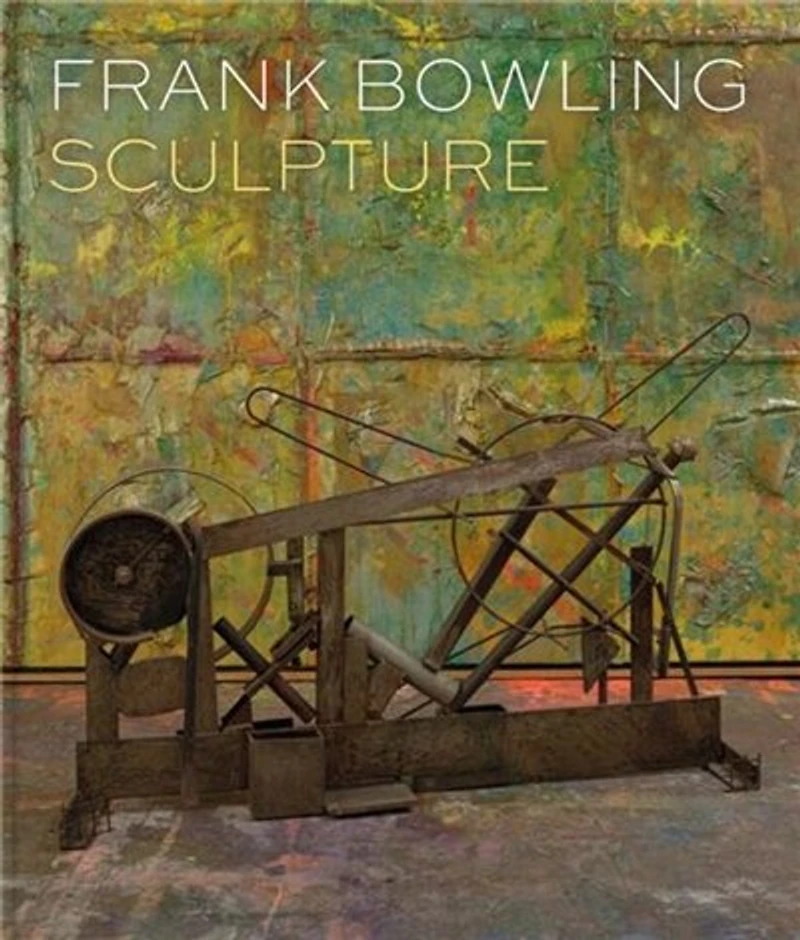
Frank Bowling: Sculpture
By None
Current price: $56.00
Coles
Frank Bowling: Sculpture
By None
Current price: $56.00
Loading Inventory...
Size: Hardcover
*Product information and pricing may vary - to confirm current pricing, availability, shipping, and return information please contact Coles. In the event of a pricing discrepancy, the retailer's price will apply.
How Bowling's sculpture expands and complicates his reputation as a high modernist painterThis is the first publication to examine Frank Bowling’s (born 1934) art and ideas in relation to sculpture. An extended essay by Sam Cornish charts his interactions with sculpture since the 1960s, beginning with his shaped canvas Swan (1964), which was first displayed with ribbons and an anchor hanging from it. The text also considers Bowling’s time in New York in the late 1960s and early 1970s, when he was involved with debates around Black art and the work of a number of African American sculptors.The book asks how Bowling’s sculpture extends our understanding of his pictorial language. Considering this relationship also highlights the importance of sculpture to high modernism, from which Bowling’s mature art emerged. Bowling is one of a number of high modernist painters—including Jules Olitski, Kenneth Noland and Helen Frankenthaler—who also made sculpture, complicating perceptions of high modernism as a tendency associated primarily with painting.
How Bowling's sculpture expands and complicates his reputation as a high modernist painterThis is the first publication to examine Frank Bowling’s (born 1934) art and ideas in relation to sculpture. An extended essay by Sam Cornish charts his interactions with sculpture since the 1960s, beginning with his shaped canvas Swan (1964), which was first displayed with ribbons and an anchor hanging from it. The text also considers Bowling’s time in New York in the late 1960s and early 1970s, when he was involved with debates around Black art and the work of a number of African American sculptors.The book asks how Bowling’s sculpture extends our understanding of his pictorial language. Considering this relationship also highlights the importance of sculpture to high modernism, from which Bowling’s mature art emerged. Bowling is one of a number of high modernist painters—including Jules Olitski, Kenneth Noland and Helen Frankenthaler—who also made sculpture, complicating perceptions of high modernism as a tendency associated primarily with painting.
You May Also Like








More About Coles at Prairie Mall
11801 100 St #104, Grande Prairie, AB T8V 3Y2, Canada
Find Coles at Prairie Mall in Grande Prairie, AB
Visit Coles at Prairie Mall in Grande Prairie, AB