


Gifting Made Simple
Give the Gift of ChoiceClick below to purchase a Prairie Mall eGift Card that can be used at participating retailers at Prairie Mall.Buy Gift CardHome
Foundations for Sociorhetorical Exploration: A Rhetoric of Religious Antiquity Reader
Coles
Loading Inventory...
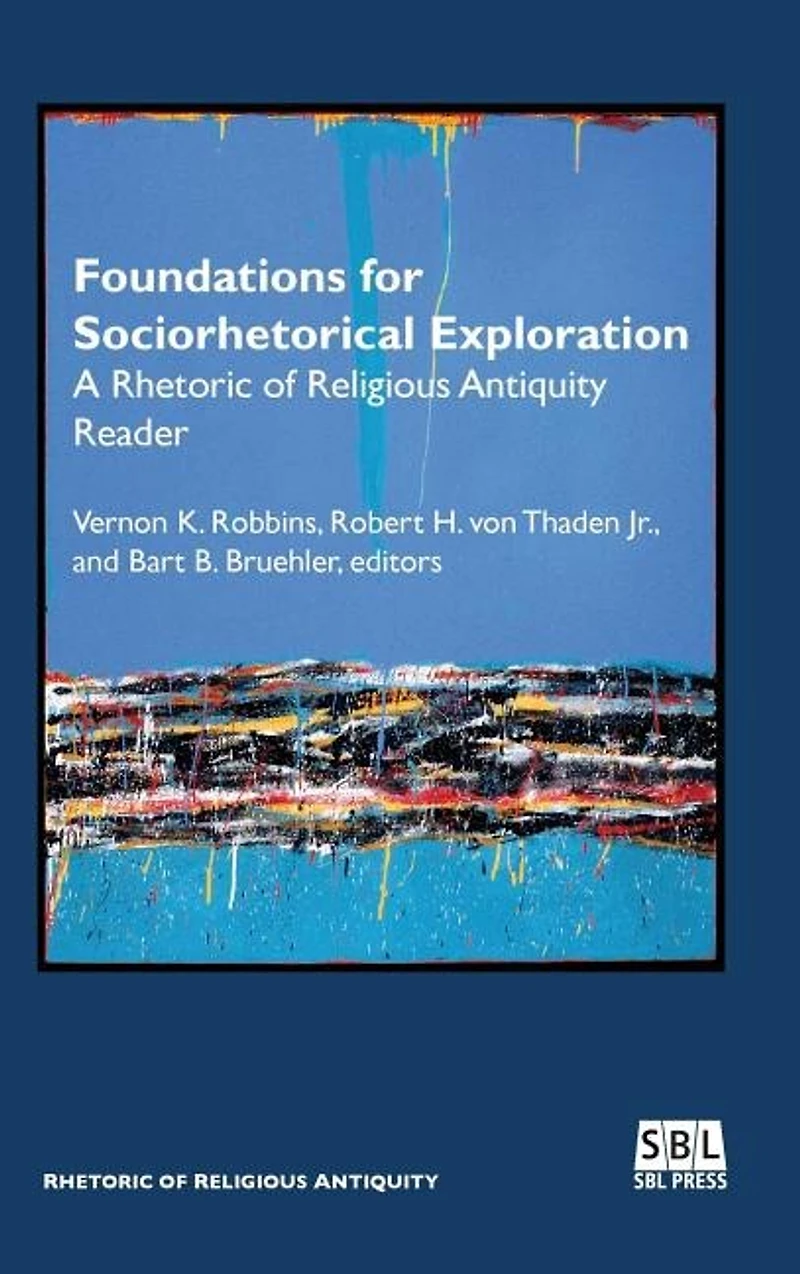
Foundations for Sociorhetorical Exploration: A Rhetoric of Religious Antiquity Reader in Grande Prairie, AB
Current price: $114.50
Coles
Foundations for Sociorhetorical Exploration: A Rhetoric of Religious Antiquity Reader in Grande Prairie, AB
Current price: $114.50
Loading Inventory...
Size: Hardcover
*Product information and pricing may vary - to confirm current pricing, availability, shipping, and return information please contact Coles. In the event of a pricing discrepancy, the retailer's price will apply.
As scholars develop innovative approaches to biblical interpretation, it is important to understand the foundations upon which these new approaches are built. This volume collects essays that represent intellectual milestones that are informing sociorhetorical interpretation during the twenty-first century. The essays are arranged into five parts: (1) Topos; (2) Cultural Geography and Critical Spatiality; (3) Rhetorolects and Conceptual Blending; (4) Rhetography; and (5) Rhetorical Force. Since biblical texts were written by embodied human beings who occupied distinctive spaces in specific time periods, it is important to have a set of tools that allows for a full-bodied interpretation. The essays in this volume help to show the importance of such a mode of reading and provide strategies to help interpreters perform their work in this manner.
As scholars develop innovative approaches to biblical interpretation, it is important to understand the foundations upon which these new approaches are built. This volume collects essays that represent intellectual milestones that are informing sociorhetorical interpretation during the twenty-first century. The essays are arranged into five parts: (1) Topos; (2) Cultural Geography and Critical Spatiality; (3) Rhetorolects and Conceptual Blending; (4) Rhetography; and (5) Rhetorical Force. Since biblical texts were written by embodied human beings who occupied distinctive spaces in specific time periods, it is important to have a set of tools that allows for a full-bodied interpretation. The essays in this volume help to show the importance of such a mode of reading and provide strategies to help interpreters perform their work in this manner.
You May Also Like











Find at Prairie Mall in Grande Prairie, AB
Visit at Prairie Mall in Grande Prairie, AB