


Gifting Made Simple
Give the Gift of ChoiceClick below to purchase a Prairie Mall eGift Card that can be used at participating retailers at Prairie Mall.Buy Gift CardHome
Formative assessment a brain-compatible Classroom: How Do We Really Know They're Learning? (Formative strategies, classrooms, and effective teaching techniques)
Coles
Loading Inventory...
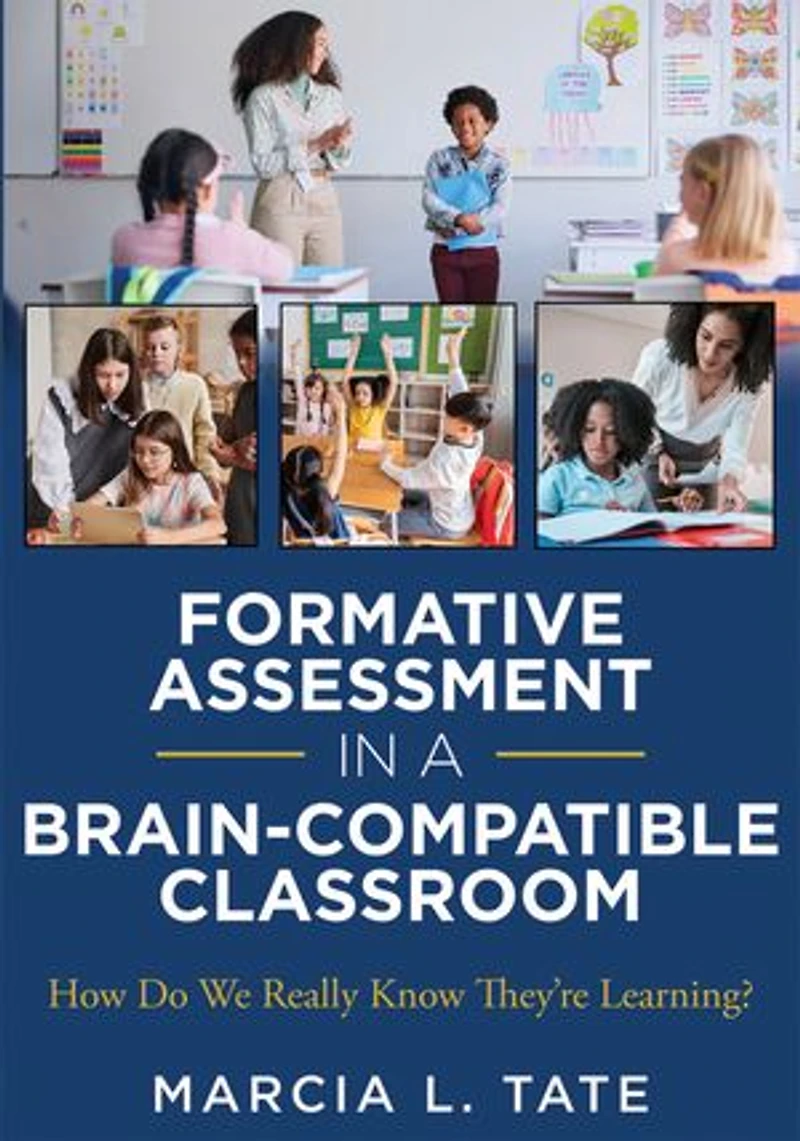
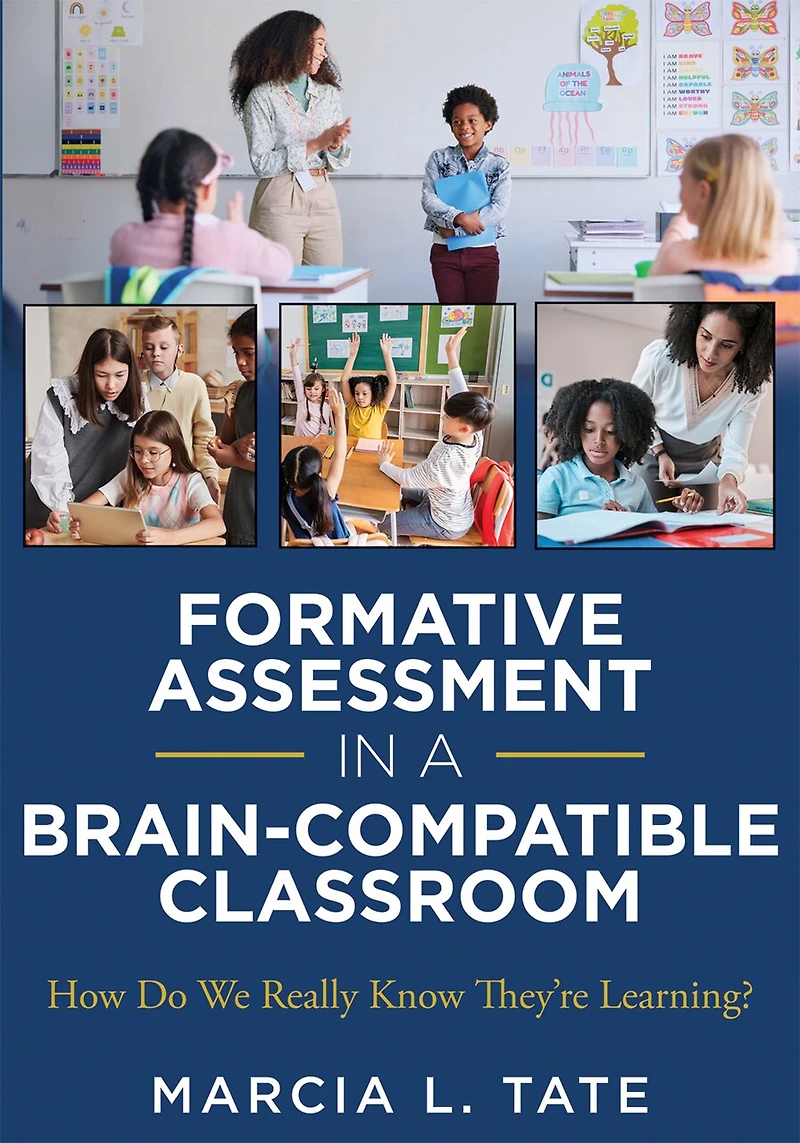
Formative assessment a brain-compatible Classroom: How Do We Really Know They're Learning? (Formative strategies, classrooms, and effective teaching techniques) in Grande Prairie, AB
Current price: $52.79
Original price: $65.99
Coles
Formative assessment a brain-compatible Classroom: How Do We Really Know They're Learning? (Formative strategies, classrooms, and effective teaching techniques) in Grande Prairie, AB
Current price: $52.79
Original price: $65.99
Loading Inventory...
Size: Kobo eBook
*Product information and pricing may vary - to confirm current pricing, availability, shipping, and return information please contact Coles. In the event of a pricing discrepancy, the retailer's price will apply.
Students learn in diverse ways, and their grades may not always accurately reflect their true understanding. Marcia L. Tate explores the what, why, and how of assessment to help educators know whether their students are truly learning. Dive into Tate's insightful exploration of building student confidence and nurturing organic student retention and comprehension.
Grades K-12 teachers will: Learn how to create a brain-compatible classroom that fosters success and confidence in students when they are assessed Plan lessons so students know what they should know and be able to do Ask effective questions to find out if students are really learning what they should learn Create effective tests Be able to tell before, during, and after lessons what students know
Contents:
Introduction
Chapter 1: What Are the Types of Assessment?
Chapter 2: What Evidence Supports the Use of a Variety of Assessment Types?
Chapter 3: How Can I Create a Brain-Compatible Classroom Environment That Fosters High Academic Achievement?
Chapter 4: How Can I Begin With the End in Mind?
Chapter 5: How Can I Write Quality Selected- and Constructed-Response Test Items?
Chapter 6: How Can Effective Questioning Show That Students Are Learning?
Chapter 7: How Do I Know What Students Already Know Before the Lesson?
Chapter 8: How Do I Know What Students Are Learning During the Lesson?
Chapter 9: How Do I Know What Students Have Learned After the Lesson?
Chapter 10: How Can Checklists Be Used to Assess Student Learning?
Chapter 11: How Can Rubrics Be Used to Assess Student Learning?
Chapter 12: How Do We Know What Students Are Learning When They Work Together?
Chapter 13: How Can Students Peer- and Self-Assess During the Formative Process?
Chapter 14: How Can Students Knock the Top Off Any Test?
Final Thoughts
References
Index
Students learn in diverse ways, and their grades may not always accurately reflect their true understanding. Marcia L. Tate explores the what, why, and how of assessment to help educators know whether their students are truly learning. Dive into Tate's insightful exploration of building student confidence and nurturing organic student retention and comprehension.
Grades K-12 teachers will: Learn how to create a brain-compatible classroom that fosters success and confidence in students when they are assessed Plan lessons so students know what they should know and be able to do Ask effective questions to find out if students are really learning what they should learn Create effective tests Be able to tell before, during, and after lessons what students know
Contents:
Introduction
Chapter 1: What Are the Types of Assessment?
Chapter 2: What Evidence Supports the Use of a Variety of Assessment Types?
Chapter 3: How Can I Create a Brain-Compatible Classroom Environment That Fosters High Academic Achievement?
Chapter 4: How Can I Begin With the End in Mind?
Chapter 5: How Can I Write Quality Selected- and Constructed-Response Test Items?
Chapter 6: How Can Effective Questioning Show That Students Are Learning?
Chapter 7: How Do I Know What Students Already Know Before the Lesson?
Chapter 8: How Do I Know What Students Are Learning During the Lesson?
Chapter 9: How Do I Know What Students Have Learned After the Lesson?
Chapter 10: How Can Checklists Be Used to Assess Student Learning?
Chapter 11: How Can Rubrics Be Used to Assess Student Learning?
Chapter 12: How Do We Know What Students Are Learning When They Work Together?
Chapter 13: How Can Students Peer- and Self-Assess During the Formative Process?
Chapter 14: How Can Students Knock the Top Off Any Test?
Final Thoughts
References
Index
You May Also Like












Find at Prairie Mall in Grande Prairie, AB
Visit at Prairie Mall in Grande Prairie, AB