


Gifting Made Simple
Give the Gift of ChoiceClick below to purchase a Prairie Mall eGift Card that can be used at participating retailers at Prairie Mall.Buy Gift CardHome
Football and National Identity Twentieth-Century Argentina: La Nuestra
Coles
Loading Inventory...
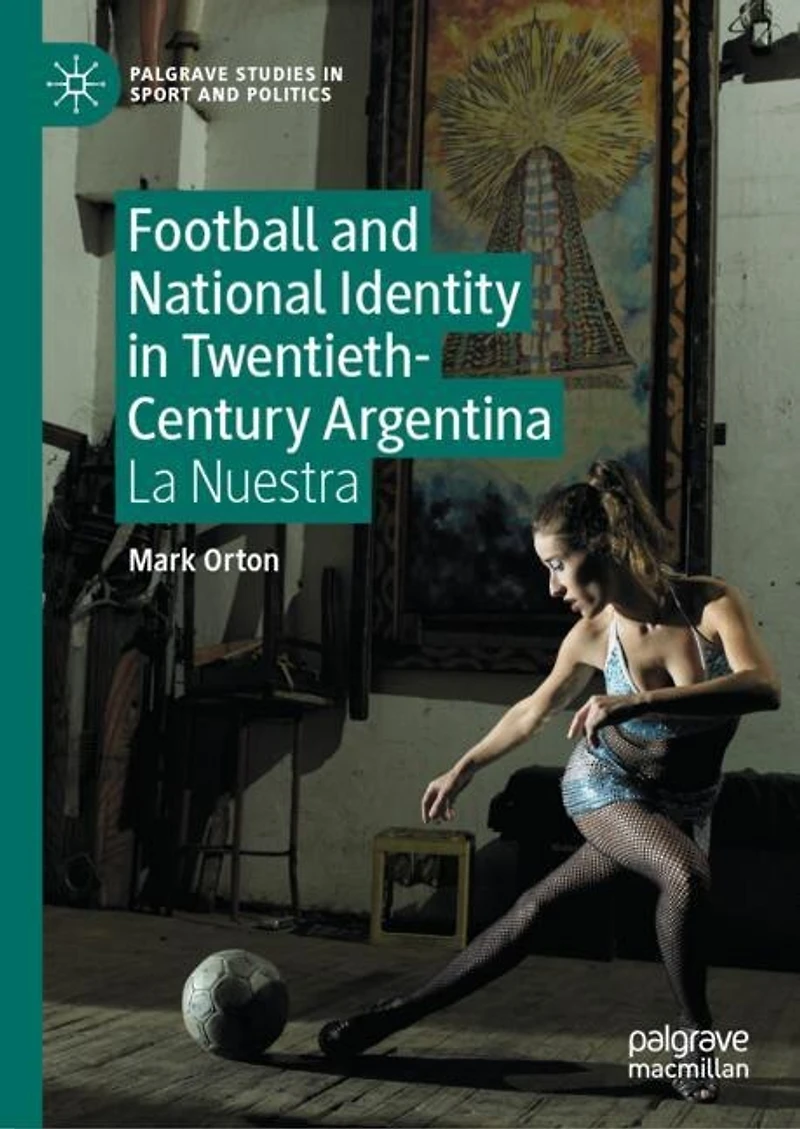
Football and National Identity Twentieth-Century Argentina: La Nuestra in Grande Prairie, AB
Current price: $233.95
Coles
Football and National Identity Twentieth-Century Argentina: La Nuestra in Grande Prairie, AB
Current price: $233.95
Loading Inventory...
Size: Hardcover
*Product information and pricing may vary - to confirm current pricing, availability, shipping, and return information please contact Coles. In the event of a pricing discrepancy, the retailer's price will apply.
This book examines how since its arrival in 1867 with British immigrants, football has become the key cultural signifier of national identity in Argentina over the long twentieth century. With the international exploits of players such as Luis Monti, Alfredo Di Stéfano and Diego Maradona, the sport has projected Argentina onto the global consciousness not seen in any other way. In this book, Mark Orton challenges existing myths surrounding the nativisation of football in Argentina away from British influence, as he shows how the game provided a conduit for the assimilation of millions of European immigrants in the early decades of the century into a new Argentine 'race'. The book also examines how football gave some of the 'voiceless others' such as women, Afro-Argentines, indigenous people and those in the interior an arena to project themselves in an Argentine society that was masculine, white and Buenos Aires-dominated.
This book examines how since its arrival in 1867 with British immigrants, football has become the key cultural signifier of national identity in Argentina over the long twentieth century. With the international exploits of players such as Luis Monti, Alfredo Di Stéfano and Diego Maradona, the sport has projected Argentina onto the global consciousness not seen in any other way. In this book, Mark Orton challenges existing myths surrounding the nativisation of football in Argentina away from British influence, as he shows how the game provided a conduit for the assimilation of millions of European immigrants in the early decades of the century into a new Argentine 'race'. The book also examines how football gave some of the 'voiceless others' such as women, Afro-Argentines, indigenous people and those in the interior an arena to project themselves in an Argentine society that was masculine, white and Buenos Aires-dominated.
You May Also Like










Find at Prairie Mall in Grande Prairie, AB
Visit at Prairie Mall in Grande Prairie, AB