


Gifting Made Simple
Give the Gift of ChoiceClick below to purchase a Prairie Mall eGift Card that can be used at participating retailers at Prairie Mall.Buy Gift CardHome
Following the Color Line: An Account of Negro Citizenship in the American Democracy
Coles
Loading Inventory...
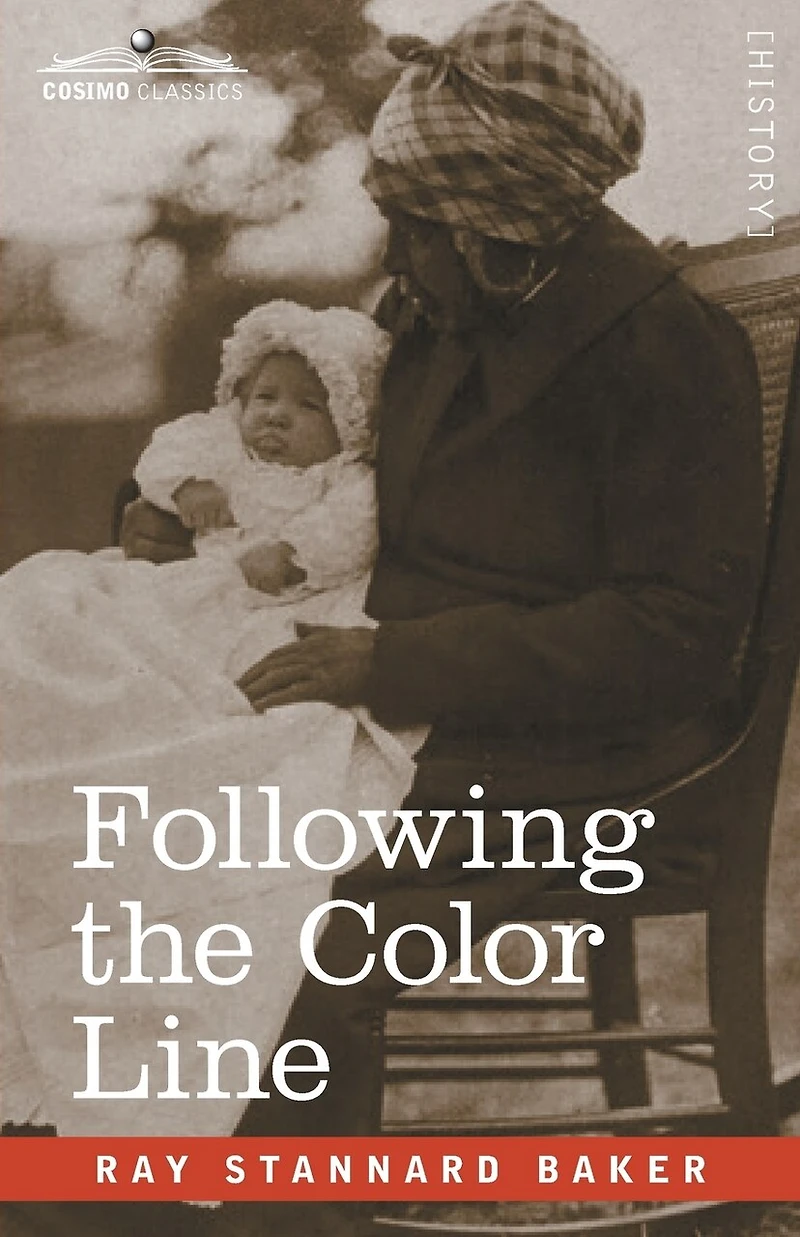
Following the Color Line: An Account of Negro Citizenship in the American Democracy in Grande Prairie, AB
Current price: $21.99
Coles
Following the Color Line: An Account of Negro Citizenship in the American Democracy in Grande Prairie, AB
Current price: $21.99
Loading Inventory...
Size: Paperback
*Product information and pricing may vary - to confirm current pricing, availability, shipping, and return information please contact Coles. In the event of a pricing discrepancy, the retailer's price will apply.
"The deeper one delves into the problem of race, the humbler he becomes concerning his own views." -Ray Stannard Baker, Following the Color Line (1908) In Following the Color Line (1908), Ray Stannard Baker draws on the insights he gained from traveling more than 20,000 miles over three years (1906-1908) in both the North and South for the purpose of studying the race issue in America. Much of the same information was originally published in articles he prepared for The American Magazine. His goal, as he described it, was to provide "a clear statement of the exact present [early 1900s] conditions and relationships of the Negro in American life." Covering such subjects as lynching and Jim Crow laws, the book is considered the most significant piece of journalism of Baker's career.
"The deeper one delves into the problem of race, the humbler he becomes concerning his own views." -Ray Stannard Baker, Following the Color Line (1908) In Following the Color Line (1908), Ray Stannard Baker draws on the insights he gained from traveling more than 20,000 miles over three years (1906-1908) in both the North and South for the purpose of studying the race issue in America. Much of the same information was originally published in articles he prepared for The American Magazine. His goal, as he described it, was to provide "a clear statement of the exact present [early 1900s] conditions and relationships of the Negro in American life." Covering such subjects as lynching and Jim Crow laws, the book is considered the most significant piece of journalism of Baker's career.
You May Also Like










Find at Prairie Mall in Grande Prairie, AB
Visit at Prairie Mall in Grande Prairie, AB