


Gifting Made Simple
Give the Gift of ChoiceClick below to purchase a Prairie Mall eGift Card that can be used at participating retailers at Prairie Mall.Buy Gift CardHome
Film Genres Hungarian and Romanian Cinema: History, Theory, Reception
Coles
Loading Inventory...
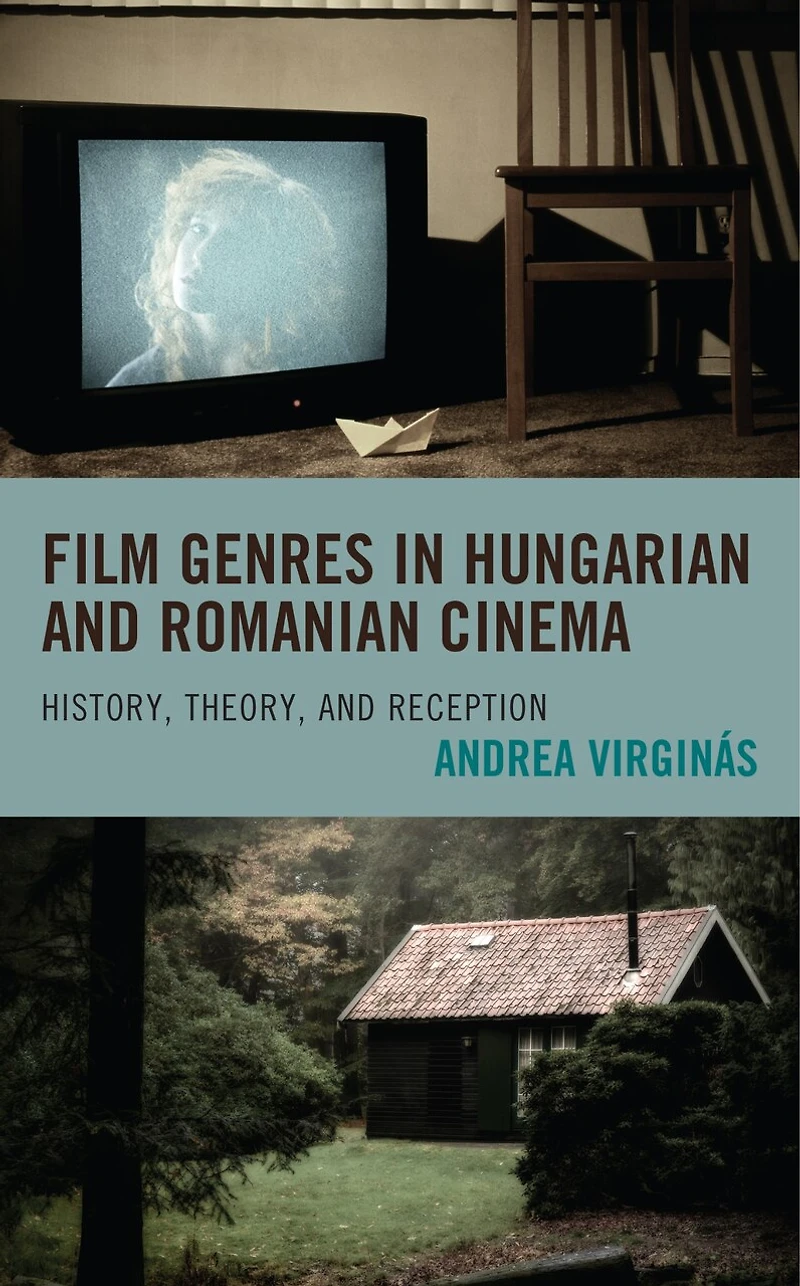
Film Genres Hungarian and Romanian Cinema: History, Theory, Reception
By None
Current price: $197.50
Coles
Film Genres Hungarian and Romanian Cinema: History, Theory, Reception
By None
Current price: $197.50
Loading Inventory...
Size: Hardcover
*Product information and pricing may vary - to confirm current pricing, availability, shipping, and return information please contact Coles. In the event of a pricing discrepancy, the retailer's price will apply.
Film Genres in Hungarian and Romanian Cinema: History, Theory, and Reception discusses how the Hungarian and Romanian film industries show signs of becoming a regional hub within the Eastern European canon, a process occasionally facilitated by the cultural overlap through the historical province of Transylvania. Andrea Virginás employs a film historical overview to merge the study of small national cinemas with film genre theory and cultural theory and posits that Hollywood-originated classical film genres have been important fields of reference for the development of these Eastern European cinemas. Furthermore, Virginás argues that Hungarian and Romanian genre films demonstrate a valid evolution within the given genre's standards, and thus need to be incorporated into the global discourse on this subject. Scholars of film studies, Eastern European studies, cultural studies, and history will find this book particularly useful.
Film Genres in Hungarian and Romanian Cinema: History, Theory, and Reception discusses how the Hungarian and Romanian film industries show signs of becoming a regional hub within the Eastern European canon, a process occasionally facilitated by the cultural overlap through the historical province of Transylvania. Andrea Virginás employs a film historical overview to merge the study of small national cinemas with film genre theory and cultural theory and posits that Hollywood-originated classical film genres have been important fields of reference for the development of these Eastern European cinemas. Furthermore, Virginás argues that Hungarian and Romanian genre films demonstrate a valid evolution within the given genre's standards, and thus need to be incorporated into the global discourse on this subject. Scholars of film studies, Eastern European studies, cultural studies, and history will find this book particularly useful.
You May Also Like











More About Coles at Prairie Mall
11801 100 St #104, Grande Prairie, AB T8V 3Y2, Canada
Find Coles at Prairie Mall in Grande Prairie, AB
Visit Coles at Prairie Mall in Grande Prairie, AB