


Gifting Made Simple
Give the Gift of ChoiceClick below to purchase a Prairie Mall eGift Card that can be used at participating retailers at Prairie Mall.Buy Gift CardHome
Fictional Worlds and the Political Imagination
Coles
Loading Inventory...
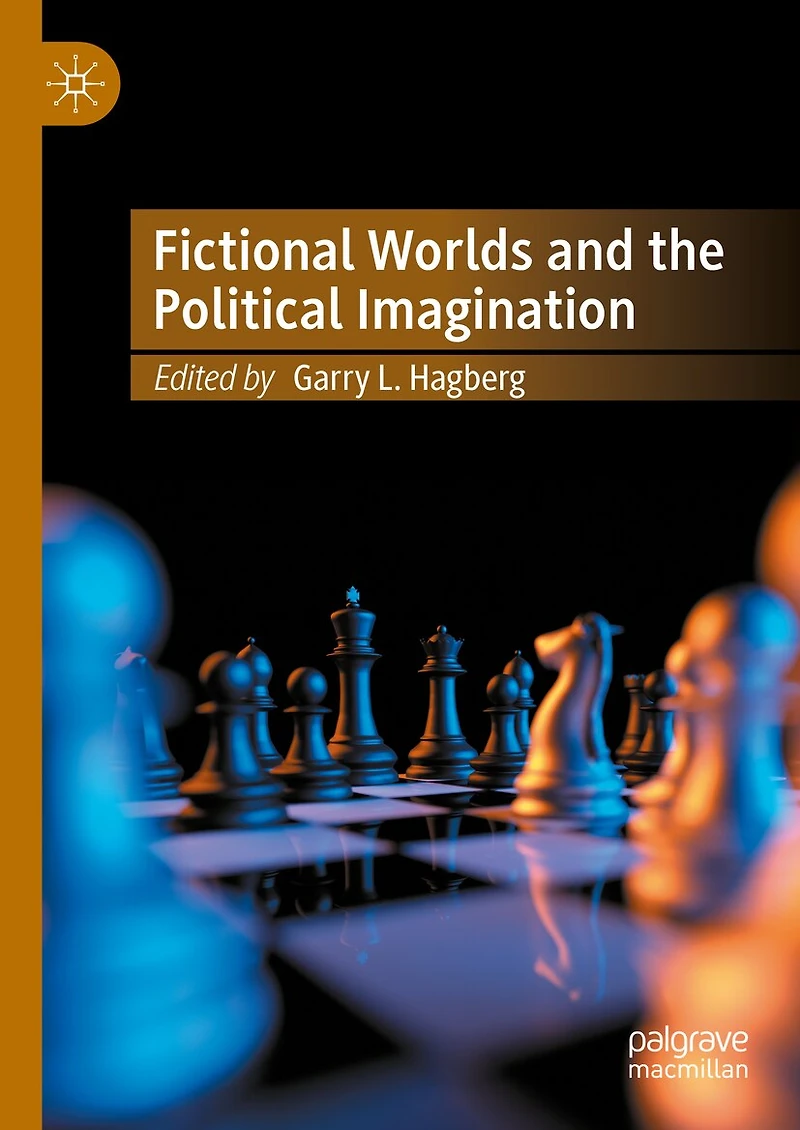
Fictional Worlds and the Political Imagination in Grande Prairie, AB
Current price: $248.50
Coles
Fictional Worlds and the Political Imagination in Grande Prairie, AB
Current price: $248.50
Loading Inventory...
Size: Hardcover
*Product information and pricing may vary - to confirm current pricing, availability, shipping, and return information please contact Coles. In the event of a pricing discrepancy, the retailer's price will apply.
There has been a steady stream of articles written on the relations between political thought and the interpretation of literature, but there remains a need for a book that both introduces and significantly contributes to the field - particularly one that shows in detail how we can think more freely and creatively about political possibilities by reading and reflecting on politically significant literature. This volume offers analytically acute and culturally rich ways of understanding how it is that we can productively think philosophically about political literature and what kind of distinctive conceptual progress we can make by doing so. Given the extremely widespread interest in political issues, this volume will strike resonant chords far and wide, while offering something that has not been done quite in this way and for which the time certainly seems right.
There has been a steady stream of articles written on the relations between political thought and the interpretation of literature, but there remains a need for a book that both introduces and significantly contributes to the field - particularly one that shows in detail how we can think more freely and creatively about political possibilities by reading and reflecting on politically significant literature. This volume offers analytically acute and culturally rich ways of understanding how it is that we can productively think philosophically about political literature and what kind of distinctive conceptual progress we can make by doing so. Given the extremely widespread interest in political issues, this volume will strike resonant chords far and wide, while offering something that has not been done quite in this way and for which the time certainly seems right.
You May Also Like








Find at Prairie Mall in Grande Prairie, AB
Visit at Prairie Mall in Grande Prairie, AB