


Gifting Made Simple
Give the Gift of ChoiceClick below to purchase a Prairie Mall eGift Card that can be used at participating retailers at Prairie Mall.Buy Gift CardHome
Feminist and Anti-Psychiatry Perspectives on 'Social Anxiety Disorder': The Socially Anxious Woman
Coles
Loading Inventory...
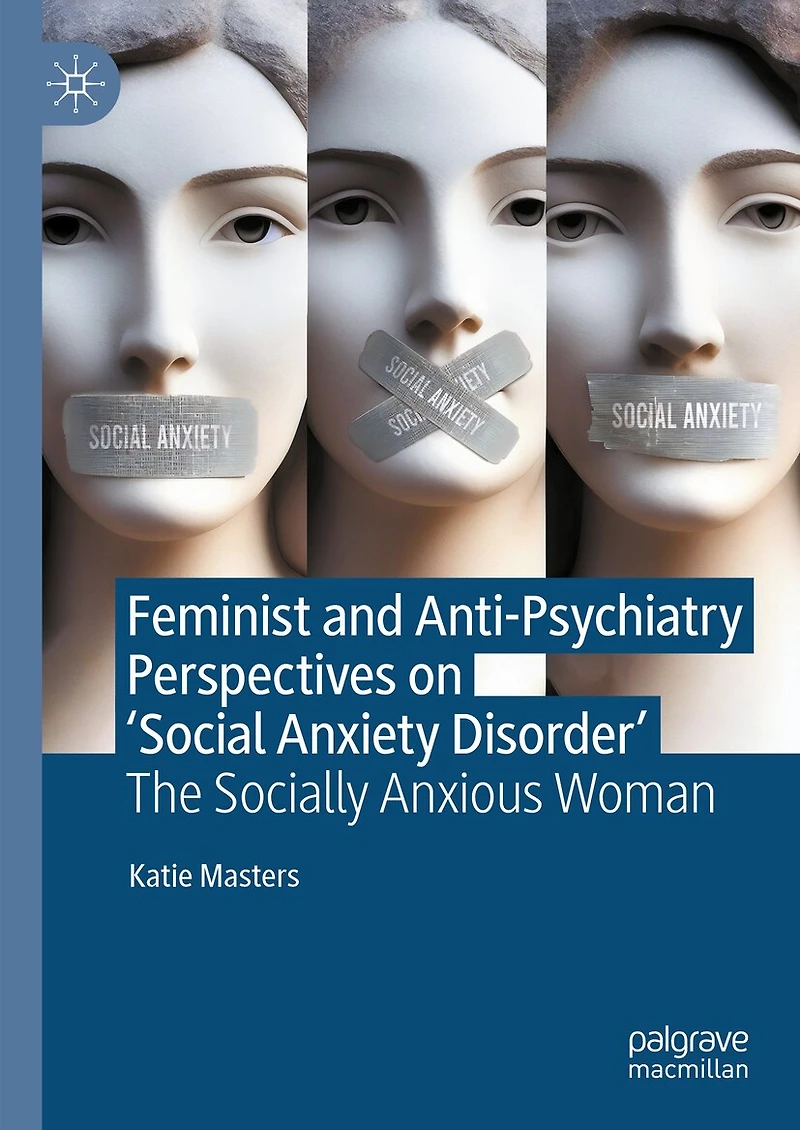
Feminist and Anti-Psychiatry Perspectives on 'Social Anxiety Disorder': The Socially Anxious Woman in Grande Prairie, AB
Current price: $189.95
Coles
Feminist and Anti-Psychiatry Perspectives on 'Social Anxiety Disorder': The Socially Anxious Woman in Grande Prairie, AB
Current price: $189.95
Loading Inventory...
Size: Hardcover
*Product information and pricing may vary - to confirm current pricing, availability, shipping, and return information please contact Coles. In the event of a pricing discrepancy, the retailer's price will apply.
This book conceptualises the diagnosis 'Social Anxiety Disorder' (SAD) in women as a rational response to life in postfeminist, neoliberal, twenty-first century Britain. By speaking to women with this diagnosis, and drawing on the author's lived experience, it investigates the interplay between women's social anxiety and Western culture. It argues that societal factors are implicated in women's mental distress to a far greater extent than dominant (especially psychiatric) narratives would hold-narratives which, premised on individual pathology, often present a biologically reductionist and medicalised account. Through deploying a unique blend of feminism and anti-psychiatry, this book critiques the framework which exists around diagnosing and treating SAD, but without dismissing distress. Inspired by feminist critiques of other gendered psychiatric diagnoses, such as Anorexia Nervosa, it conceptualises 'SAD' in women as a 'culture-bound syndrome'. This book will interest students and scholars of gender studies and sociology.
This book conceptualises the diagnosis 'Social Anxiety Disorder' (SAD) in women as a rational response to life in postfeminist, neoliberal, twenty-first century Britain. By speaking to women with this diagnosis, and drawing on the author's lived experience, it investigates the interplay between women's social anxiety and Western culture. It argues that societal factors are implicated in women's mental distress to a far greater extent than dominant (especially psychiatric) narratives would hold-narratives which, premised on individual pathology, often present a biologically reductionist and medicalised account. Through deploying a unique blend of feminism and anti-psychiatry, this book critiques the framework which exists around diagnosing and treating SAD, but without dismissing distress. Inspired by feminist critiques of other gendered psychiatric diagnoses, such as Anorexia Nervosa, it conceptualises 'SAD' in women as a 'culture-bound syndrome'. This book will interest students and scholars of gender studies and sociology.
You May Also Like









Find at Prairie Mall in Grande Prairie, AB
Visit at Prairie Mall in Grande Prairie, AB