


Gifting Made Simple
Give the Gift of ChoiceClick below to purchase a Prairie Mall eGift Card that can be used at participating retailers at Prairie Mall.Buy Gift CardHome
Family Communication at the End of Life
Coles
Loading Inventory...
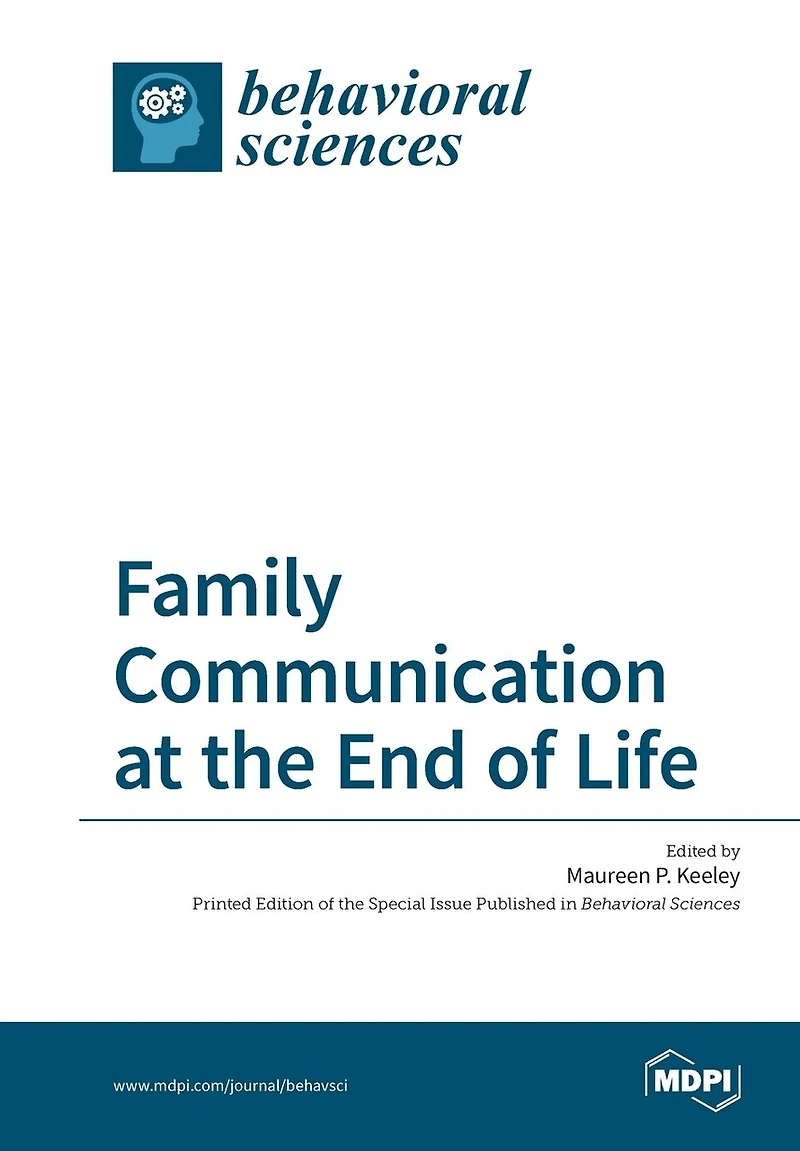
Family Communication at the End of Life in Grande Prairie, AB
Current price: $72.40
Coles
Family Communication at the End of Life in Grande Prairie, AB
Current price: $72.40
Loading Inventory...
Size: Paperback
*Product information and pricing may vary - to confirm current pricing, availability, shipping, and return information please contact Coles. In the event of a pricing discrepancy, the retailer's price will apply.
Scholars contributing to this special issue on "Family Communication at the End of Life" have provided evidence that communication is vital for terminally ill individuals, family members, and healthcare/palliative care specialists. Overall, the fifteen articles in this special issue focus on five questions: First, what are the trends regarding different approaches for beginning the conversation about death and dying earlier rather than later? Second, who is making the end of life decisions and how are they made? Third, how does age and disease impact the way that families communicate at the end of life? Fourth, how does good communication (i.e., satisfying for all participants, effective for addressing needs, fulfilling goals) impact the myriad of complex issues at the end of life? Fifth, what is the significance of exploring and valuing the perspective of the family members' experiences and recollections of their communication at the end of life with their terminally ill family member as well as with the healthcare providers? Overall, the scholars emphasize that focusing on family communication at the end of life is crucial for improving medical, psychological, and relational outcomes for those dealing with the death and dying process.
Scholars contributing to this special issue on "Family Communication at the End of Life" have provided evidence that communication is vital for terminally ill individuals, family members, and healthcare/palliative care specialists. Overall, the fifteen articles in this special issue focus on five questions: First, what are the trends regarding different approaches for beginning the conversation about death and dying earlier rather than later? Second, who is making the end of life decisions and how are they made? Third, how does age and disease impact the way that families communicate at the end of life? Fourth, how does good communication (i.e., satisfying for all participants, effective for addressing needs, fulfilling goals) impact the myriad of complex issues at the end of life? Fifth, what is the significance of exploring and valuing the perspective of the family members' experiences and recollections of their communication at the end of life with their terminally ill family member as well as with the healthcare providers? Overall, the scholars emphasize that focusing on family communication at the end of life is crucial for improving medical, psychological, and relational outcomes for those dealing with the death and dying process.
You May Also Like

















Find at Prairie Mall in Grande Prairie, AB
Visit at Prairie Mall in Grande Prairie, AB