


Gifting Made Simple
Give the Gift of ChoiceClick below to purchase a Prairie Mall eGift Card that can be used at participating retailers at Prairie Mall.Buy Gift CardHome
Extraordinary Racial Politics: Four Events The Informal Constitution Of United States
Coles
Loading Inventory...
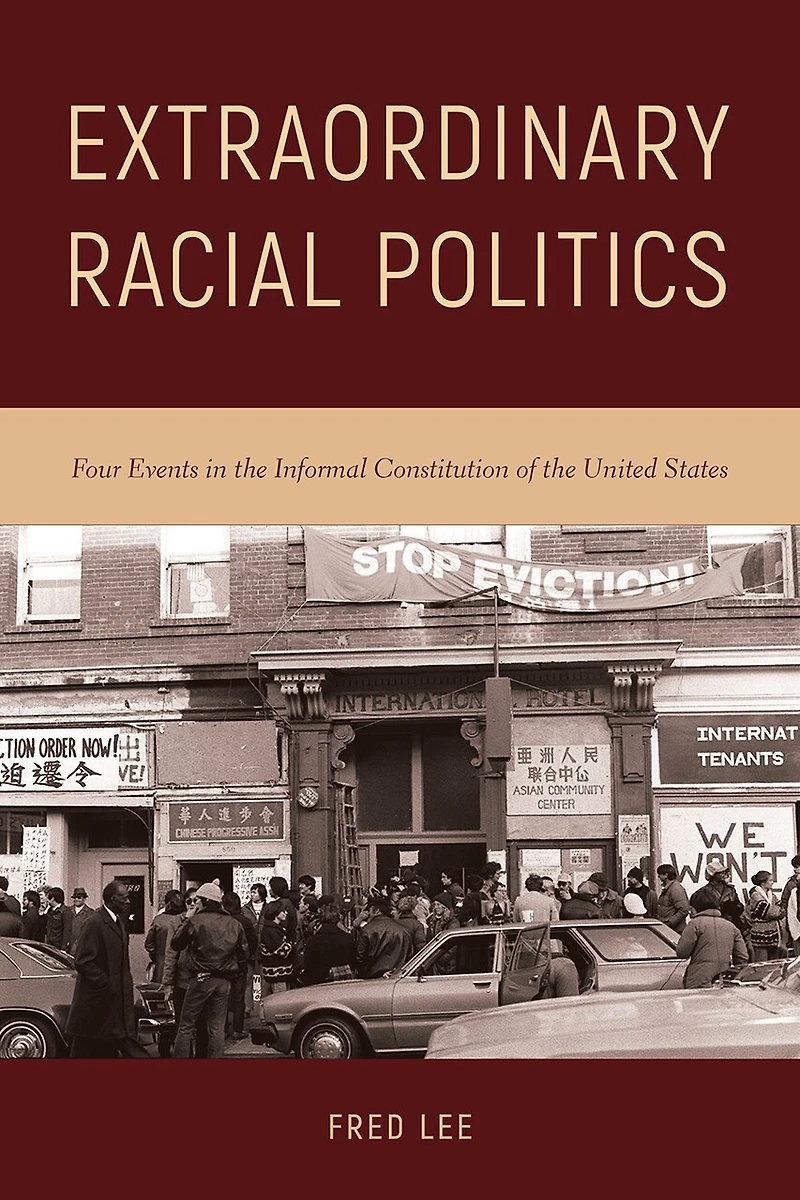
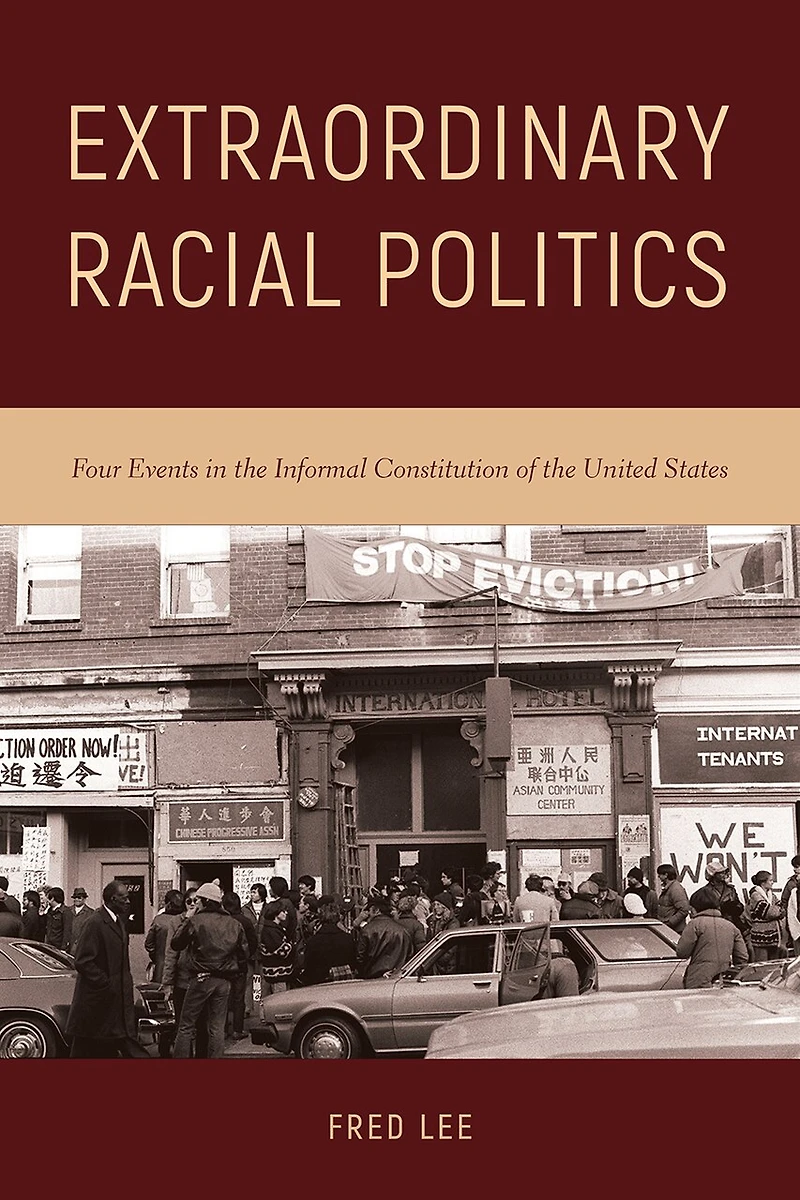
Extraordinary Racial Politics: Four Events The Informal Constitution Of United States in Grande Prairie, AB
Current price: $135.95
Coles
Extraordinary Racial Politics: Four Events The Informal Constitution Of United States in Grande Prairie, AB
Current price: $135.95
Loading Inventory...
Size: Hardcover
*Product information and pricing may vary - to confirm current pricing, availability, shipping, and return information please contact Coles. In the event of a pricing discrepancy, the retailer's price will apply.
Extraordinary racial politics rupture out of and reset everyday racial politics. In his cogent book, Fred Lee examines four unusual, episodic, and transformative moments in U.S. history: the 1830s–1840s southeastern Indian removals, the Japanese internment during World War II, the post-war civil rights movement, and the 1960s–1970s racial empowerment movements. Lee helps us connect these extraordinary events to both prior and subsequent everyday conflicts.
Extraordinary Racial Politics brings about an intellectual exchange between ethnic studies, which focuses on quotidian experiences and negotiations, and political theory, which emphasizes historical crises and breaks. In ethnic studies, Lee draws out the extraordinary moments in Michael Omi and Howard Winant’s as well as Charles Mills’s accounts of racial formation. In political theory, Lee considers the strengths and weaknesses of using Carl Schmitt’s and Hannah Arendt’s accounts of public constitution to study racial power.
Lee concludes that extraordinary racial politics represent both the promises of social emancipation and the perils of state power. This promise and peril characterizes our contentious racial present.
Extraordinary racial politics rupture out of and reset everyday racial politics. In his cogent book, Fred Lee examines four unusual, episodic, and transformative moments in U.S. history: the 1830s–1840s southeastern Indian removals, the Japanese internment during World War II, the post-war civil rights movement, and the 1960s–1970s racial empowerment movements. Lee helps us connect these extraordinary events to both prior and subsequent everyday conflicts.
Extraordinary Racial Politics brings about an intellectual exchange between ethnic studies, which focuses on quotidian experiences and negotiations, and political theory, which emphasizes historical crises and breaks. In ethnic studies, Lee draws out the extraordinary moments in Michael Omi and Howard Winant’s as well as Charles Mills’s accounts of racial formation. In political theory, Lee considers the strengths and weaknesses of using Carl Schmitt’s and Hannah Arendt’s accounts of public constitution to study racial power.
Lee concludes that extraordinary racial politics represent both the promises of social emancipation and the perils of state power. This promise and peril characterizes our contentious racial present.
You May Also Like








Find at Prairie Mall in Grande Prairie, AB
Visit at Prairie Mall in Grande Prairie, AB