


Gifting Made Simple
Give the Gift of ChoiceClick below to purchase a Prairie Mall eGift Card that can be used at participating retailers at Prairie Mall.Buy Gift CardHome
Expressly Human: Decoding The Language Of Emotion
Coles
Loading Inventory...
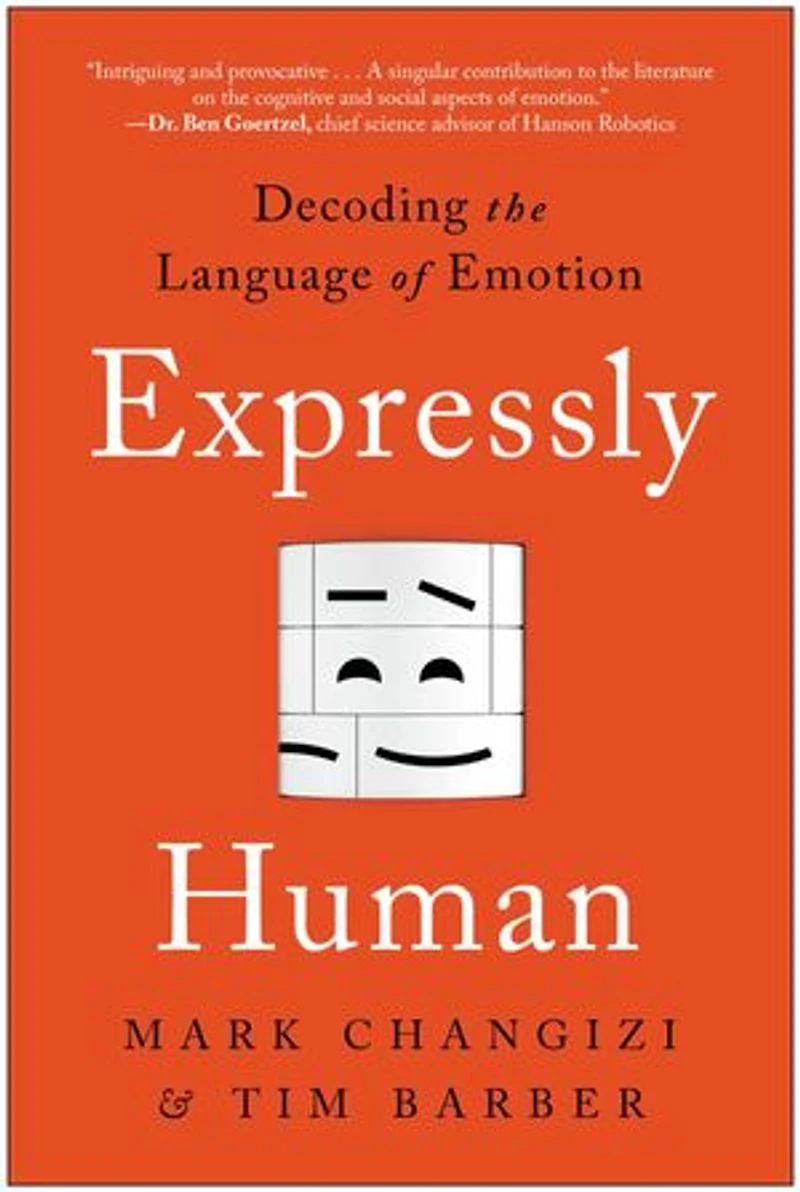
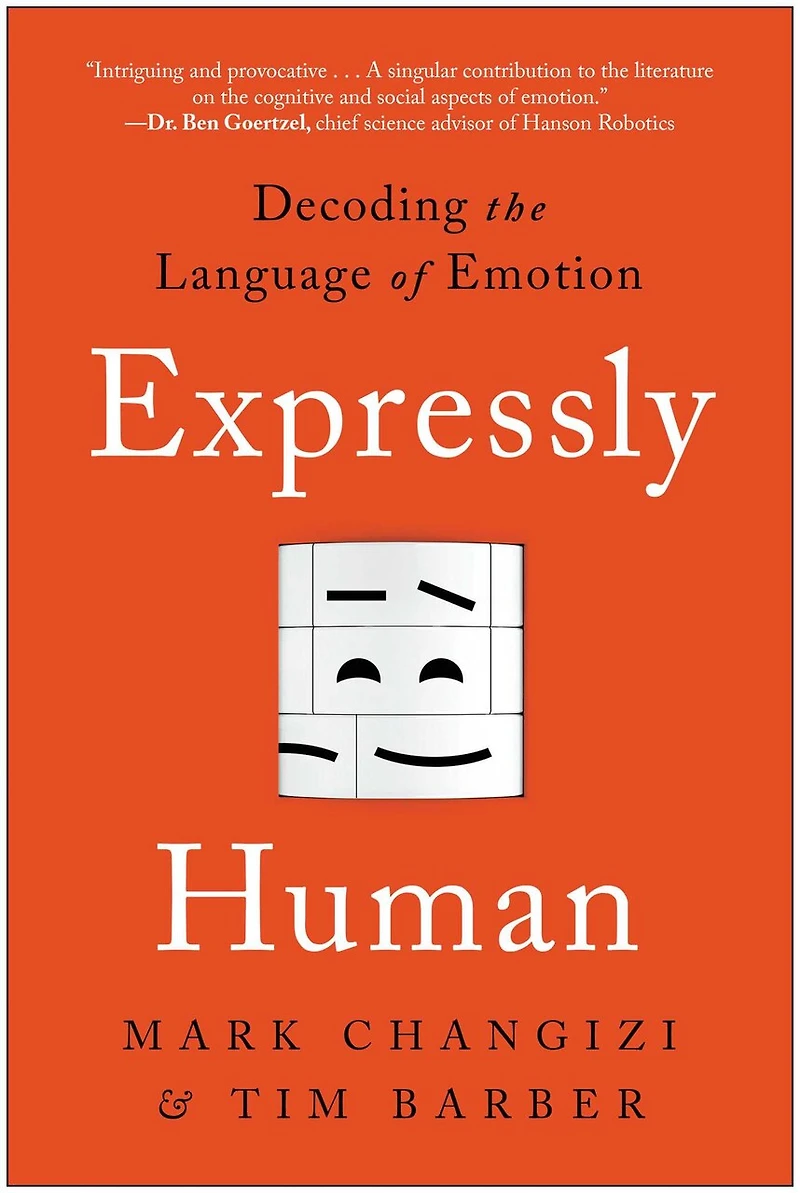
Expressly Human: Decoding The Language Of Emotion in Grande Prairie, AB
Current price: $14.99
Coles
Expressly Human: Decoding The Language Of Emotion in Grande Prairie, AB
Current price: $14.99
Loading Inventory...
Size: Kobo eBook
*Product information and pricing may vary - to confirm current pricing, availability, shipping, and return information please contact Coles. In the event of a pricing discrepancy, the retailer's price will apply.
Good communication, conventional wisdom suggests, is calm, logical, rational. Emotions, we’re told, just get in the way.
But what if this is backwards? What if those emotional overtones are the main messages we’re sending to one another, and all that logical language is just window dressing?
Over billions of years of evolution, animals have become increasingly sophisticated and increasingly sentient. In the process, they evolved emotions, which helped improve their odds of survival in complex situations.
These emotions were, at first, purely internal. But at some point, social animals began expressing their emotions, in increasingly dramatic ways. These emotional expressions could accurately reflect internal emotions (smiling to express happiness)—or they could be quite different (smiling to cover up that you’re actually furious, but can’t tell your boss that).
Why did once-stone-faced animals evolve to be so emotionally expressive—to be us ?
The answer, as evolutionary neurobiologist Mark Changizi and mathematician Tim Barber reveal, is that emotional expressions are our first and most important language—one that allows us, as social animals, to engage in highly sophisticated communications and negotiations.
Expressly Human introduces an original theory that explains, from first principles, how the broad range of emotional expressions evolved, and provides a Rosetta Stone for human communication. It will revolutionize the way you see every social interaction, from deciding who gets the last slice of pizza to multimillion-dollar business negotiations, and change your definition of what makes us human.
Good communication, conventional wisdom suggests, is calm, logical, rational. Emotions, we’re told, just get in the way.
But what if this is backwards? What if those emotional overtones are the main messages we’re sending to one another, and all that logical language is just window dressing?
Over billions of years of evolution, animals have become increasingly sophisticated and increasingly sentient. In the process, they evolved emotions, which helped improve their odds of survival in complex situations.
These emotions were, at first, purely internal. But at some point, social animals began expressing their emotions, in increasingly dramatic ways. These emotional expressions could accurately reflect internal emotions (smiling to express happiness)—or they could be quite different (smiling to cover up that you’re actually furious, but can’t tell your boss that).
Why did once-stone-faced animals evolve to be so emotionally expressive—to be us ?
The answer, as evolutionary neurobiologist Mark Changizi and mathematician Tim Barber reveal, is that emotional expressions are our first and most important language—one that allows us, as social animals, to engage in highly sophisticated communications and negotiations.
Expressly Human introduces an original theory that explains, from first principles, how the broad range of emotional expressions evolved, and provides a Rosetta Stone for human communication. It will revolutionize the way you see every social interaction, from deciding who gets the last slice of pizza to multimillion-dollar business negotiations, and change your definition of what makes us human.
You May Also Like











Find at Prairie Mall in Grande Prairie, AB
Visit at Prairie Mall in Grande Prairie, AB