


Gifting Made Simple
Give the Gift of ChoiceClick below to purchase a Prairie Mall eGift Card that can be used at participating retailers at Prairie Mall.Buy Gift CardHome
Exposed to Innumerable Delusions: Public Enterprise and State Power Egypt, India, Mexico, Turkey
Coles
Loading Inventory...
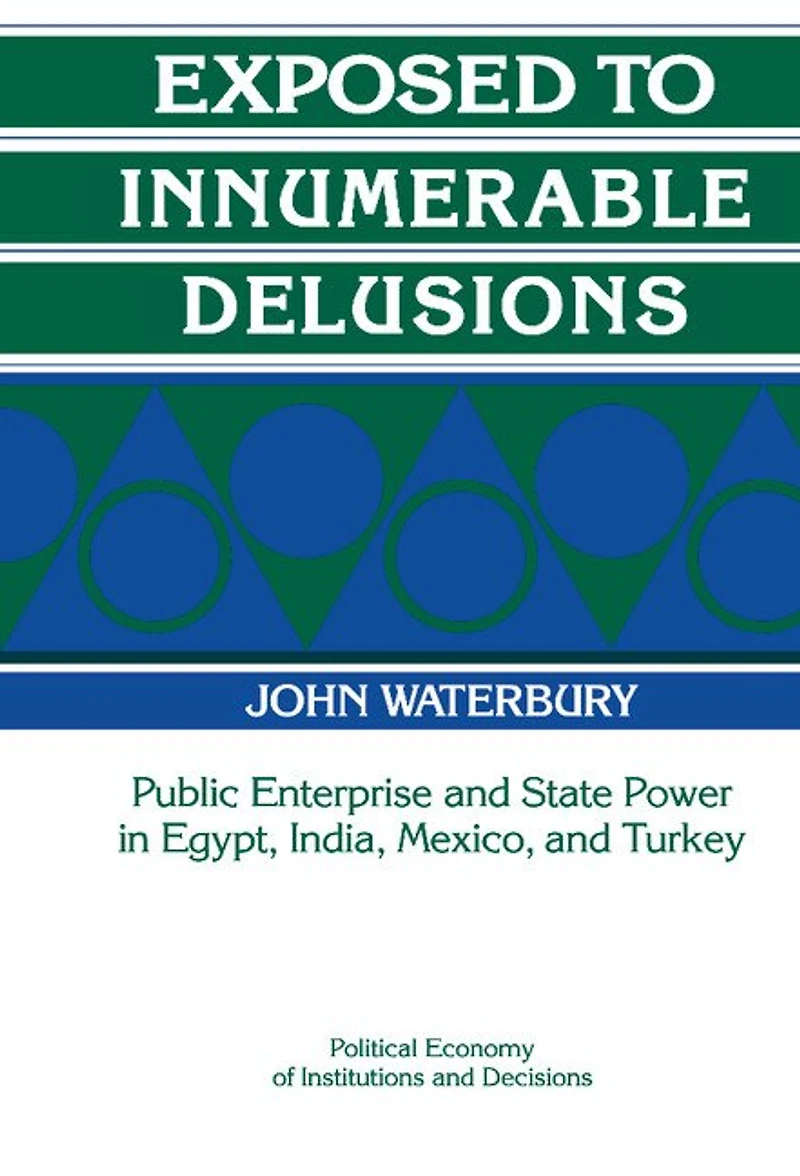
Exposed to Innumerable Delusions: Public Enterprise and State Power Egypt, India, Mexico, Turkey in Grande Prairie, AB
Current price: $175.95
Coles
Exposed to Innumerable Delusions: Public Enterprise and State Power Egypt, India, Mexico, Turkey in Grande Prairie, AB
Current price: $175.95
Loading Inventory...
Size: Hardcover
*Product information and pricing may vary - to confirm current pricing, availability, shipping, and return information please contact Coles. In the event of a pricing discrepancy, the retailer's price will apply.
The states of Egypt, India, Mexico, and Turkey have all developed extensive public enterprise sectors and have sought to regulate most economic activities outside the state sector. Their experiences have been typical of scores of developing countries that followed similar paths of industrialization. This study examines the origins of these state sectors, the dynamics of their growth and crises, and the efforts to reform or liquidate them. It is argued that public ownership creates its own culture and pathology that are similar across otherwise different systems. The logic of principal-agent relations under public ownership is so powerful that it swamps culture and peculiar institutional histories. While public sectors accumulate powerful associated interests over time, against most predictions these prove relatively powerless to block the reform process.
The states of Egypt, India, Mexico, and Turkey have all developed extensive public enterprise sectors and have sought to regulate most economic activities outside the state sector. Their experiences have been typical of scores of developing countries that followed similar paths of industrialization. This study examines the origins of these state sectors, the dynamics of their growth and crises, and the efforts to reform or liquidate them. It is argued that public ownership creates its own culture and pathology that are similar across otherwise different systems. The logic of principal-agent relations under public ownership is so powerful that it swamps culture and peculiar institutional histories. While public sectors accumulate powerful associated interests over time, against most predictions these prove relatively powerless to block the reform process.
You May Also Like
















Find at Prairie Mall in Grande Prairie, AB
Visit at Prairie Mall in Grande Prairie, AB