


Gifting Made Simple
Give the Gift of ChoiceClick below to purchase a Prairie Mall eGift Card that can be used at participating retailers at Prairie Mall.Buy Gift CardHome
Exploring Neurodiversity and Invisible Disabilities
Coles
Loading Inventory...
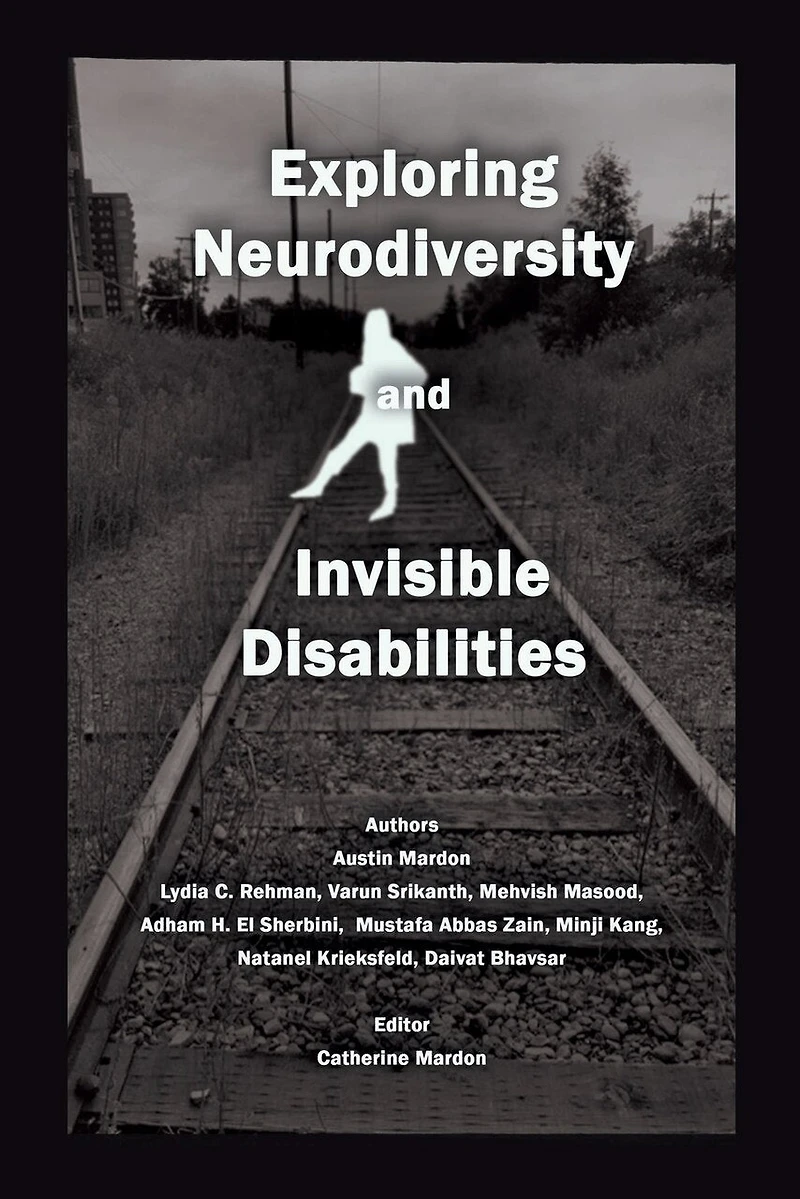
Exploring Neurodiversity and Invisible Disabilities in Grande Prairie, AB
Current price: $32.50
Coles
Exploring Neurodiversity and Invisible Disabilities in Grande Prairie, AB
Current price: $32.50
Loading Inventory...
Size: Paperback
*Product information and pricing may vary - to confirm current pricing, availability, shipping, and return information please contact Coles. In the event of a pricing discrepancy, the retailer's price will apply.
Everyone perceives and interacts with the world differently. That's what makes us human. Exploring Neurodiversity and Invisible Disabilities unpacks the relationship between people labelled as "abnormal" and the societal attitudes toward associated mental health disabilities, such as autism spectrum disorder (ASD). Terms such as "neurological minorities" have led the way in reducing stigma toward many mental illnesses and reframing discussions to make the language more inclusive. Yet today, there exist many barriers for people labelled as neurotypical or neurodivergent in schools, institutes of higher education, and workplaces that this book aims to address. Further understanding of different invisible disabilities through research and diversity and inclusion efforts can pave the road to not only accommodating vulnerable groups but also implementing culturally-inclusive frameworks for people to achieve their full potential.
Everyone perceives and interacts with the world differently. That's what makes us human. Exploring Neurodiversity and Invisible Disabilities unpacks the relationship between people labelled as "abnormal" and the societal attitudes toward associated mental health disabilities, such as autism spectrum disorder (ASD). Terms such as "neurological minorities" have led the way in reducing stigma toward many mental illnesses and reframing discussions to make the language more inclusive. Yet today, there exist many barriers for people labelled as neurotypical or neurodivergent in schools, institutes of higher education, and workplaces that this book aims to address. Further understanding of different invisible disabilities through research and diversity and inclusion efforts can pave the road to not only accommodating vulnerable groups but also implementing culturally-inclusive frameworks for people to achieve their full potential.
You May Also Like



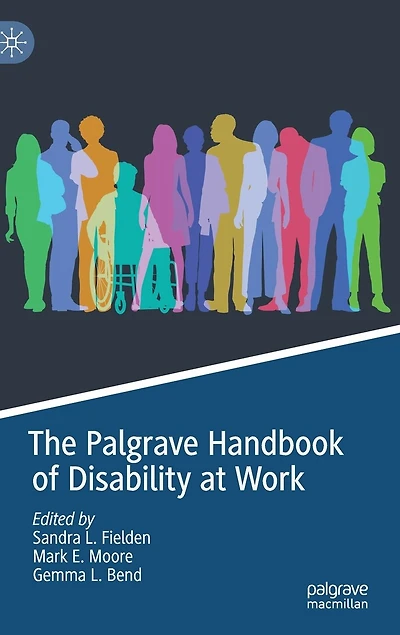








Find at Prairie Mall in Grande Prairie, AB
Visit at Prairie Mall in Grande Prairie, AB