


Gifting Made Simple
Give the Gift of ChoiceClick below to purchase a Prairie Mall eGift Card that can be used at participating retailers at Prairie Mall.Buy Gift CardHome
Explanation and Critical Thinking the Neurosciences: Bridging Gaps
Coles
Loading Inventory...
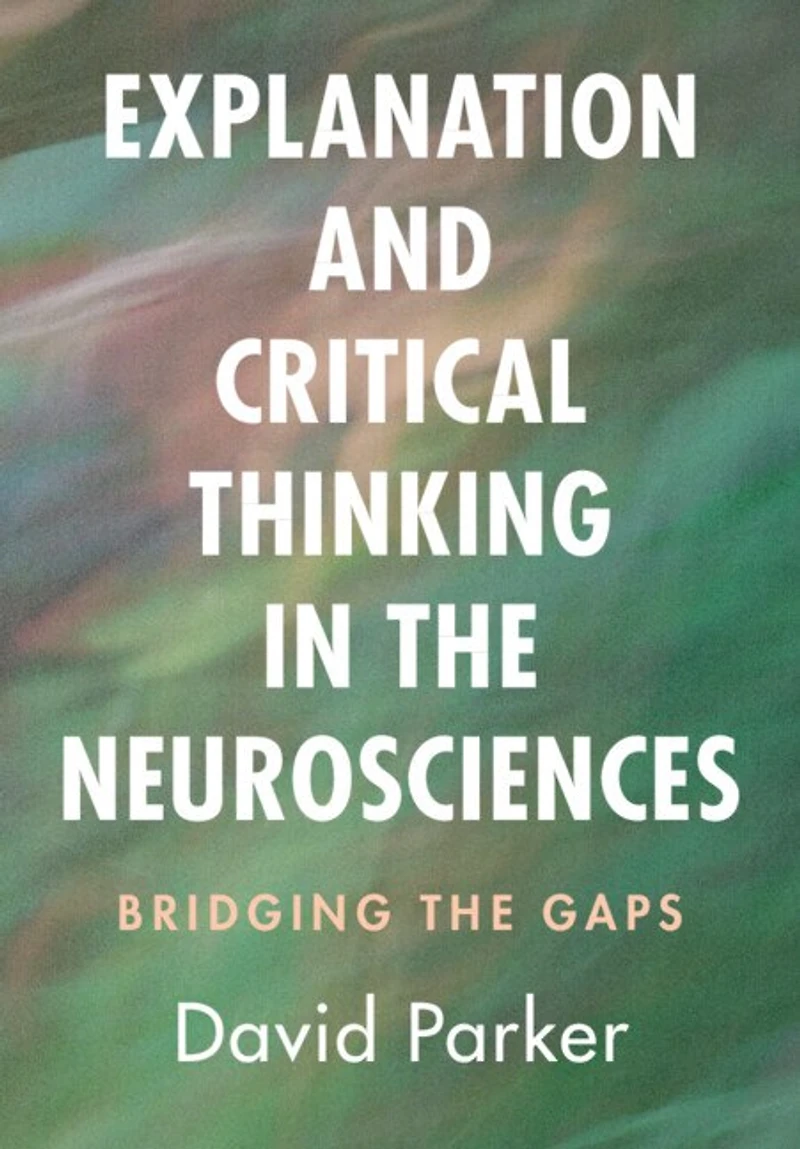
Explanation and Critical Thinking the Neurosciences: Bridging Gaps in Grande Prairie, AB
Current price: $172.95
Coles
Explanation and Critical Thinking the Neurosciences: Bridging Gaps in Grande Prairie, AB
Current price: $172.95
Loading Inventory...
Size: Hardcover
*Product information and pricing may vary - to confirm current pricing, availability, shipping, and return information please contact Coles. In the event of a pricing discrepancy, the retailer's price will apply.
While most programmes in neuroscience are understandably built around imparting foundational knowledge of cell biology, neurons, networks and physiology, there is less attention paid to critical perspectives on methods. This book addresses this gap by covering a broad array of topics including the philosophy of science, challenges of terminology and language, reductionism, and social aspects of science to challenge claims to explanation and understanding in neuroscience. Using examples from dominant areas of neuroscience research alongside novel material from systems that are less often presented, it promotes the general need of scientists (and non-scientists) to think critically. Chapters also explore translations between neuroscience and technology, artificial intelligence, education, and criminology. Featuring accessible material alongside further resources for deeper study, this work serves as an essential resource for undergraduate and graduate courses in psychology, neuroscience, and biological sciences, while also supporting researchers in exploring philosophical and methodological challenges in contemporary research.
While most programmes in neuroscience are understandably built around imparting foundational knowledge of cell biology, neurons, networks and physiology, there is less attention paid to critical perspectives on methods. This book addresses this gap by covering a broad array of topics including the philosophy of science, challenges of terminology and language, reductionism, and social aspects of science to challenge claims to explanation and understanding in neuroscience. Using examples from dominant areas of neuroscience research alongside novel material from systems that are less often presented, it promotes the general need of scientists (and non-scientists) to think critically. Chapters also explore translations between neuroscience and technology, artificial intelligence, education, and criminology. Featuring accessible material alongside further resources for deeper study, this work serves as an essential resource for undergraduate and graduate courses in psychology, neuroscience, and biological sciences, while also supporting researchers in exploring philosophical and methodological challenges in contemporary research.
You May Also Like
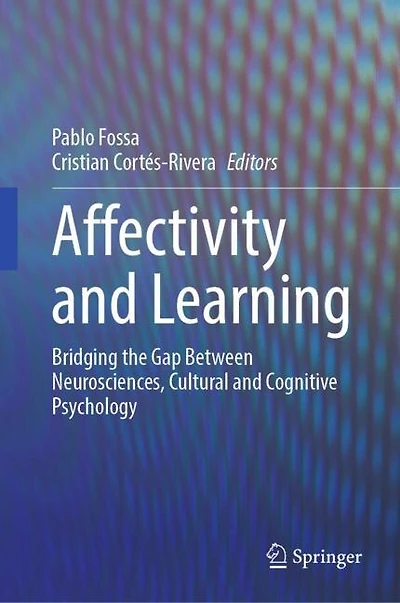
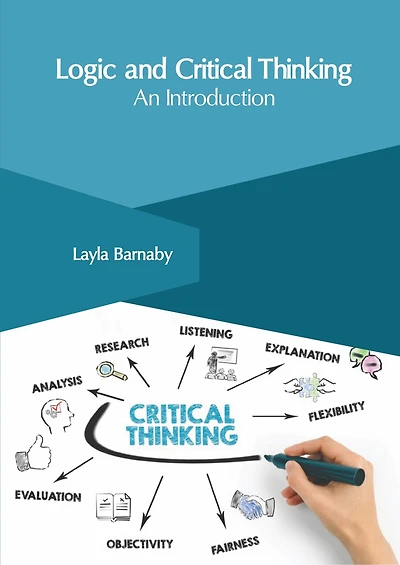












Find at Prairie Mall in Grande Prairie, AB
Visit at Prairie Mall in Grande Prairie, AB