


Gifting Made Simple
Give the Gift of ChoiceClick below to purchase a Prairie Mall eGift Card that can be used at participating retailers at Prairie Mall.Buy Gift CardHome
Exiting the Global Economic Superhighway: A Renaissance of Humanity
Coles
Loading Inventory...
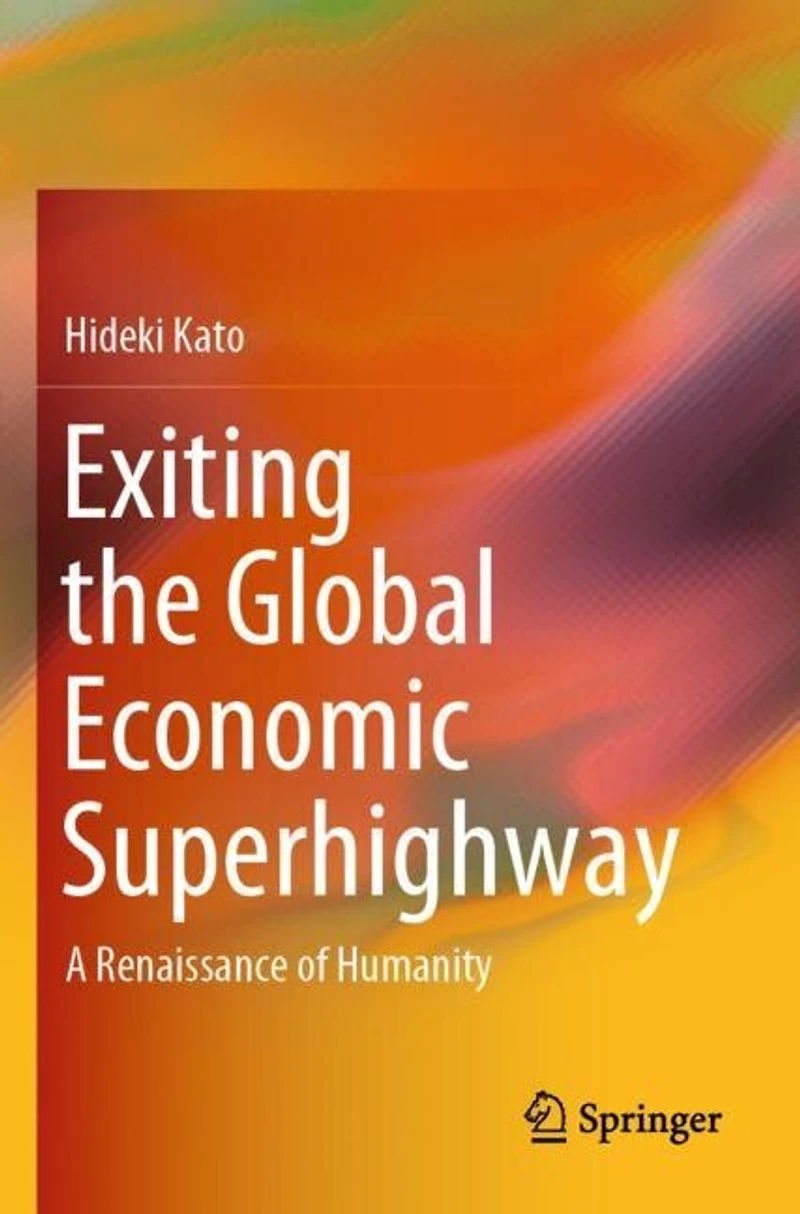
Exiting the Global Economic Superhighway: A Renaissance of Humanity in Grande Prairie, AB
Current price: $175.50
Coles
Exiting the Global Economic Superhighway: A Renaissance of Humanity in Grande Prairie, AB
Current price: $175.50
Loading Inventory...
Size: Paperback
*Product information and pricing may vary - to confirm current pricing, availability, shipping, and return information please contact Coles. In the event of a pricing discrepancy, the retailer's price will apply.
This book tackles global economic and social issues from a perspective that may seem obvious but which no author has yet taken: that we humans are living beings. In today's artificially globalized world, we have increasingly lost sight of our original humanity. Despite the serious environmental, social, and political problems we are facing, we cannot stop focusing on economic growth, efficiency, and liberalization. In doing so, we continue to make the world "slicker" and more unstable. This book identifies these conventional values and ways of thinking as the root cause underlying many of today's challenges, and it offers the perspective of a "bumpier" and more organic human existence that provides a greater sense of traction and stability. The book begins with a discussion of global systems and structures, proposing a "world with two systems" to limit the effects of artificially constructed globalization. The second part examines the modern welfare state, outlining a process to revive democracy and social capital by making social issues the business of everyday citizens. The third and final part focuses on human well-being, emphasizing physicality and the Japanese concept of kata as keys to restoring our humanity. Rather than searching for specific solutions through specialized knowledge, this book makes use of the author's broad perspective acquired through many years of public policy research and reform. It asserts that knowledge should be acquired through hands-on experience and in studies based on real-world situations, involving people at the forefront of society's challenges, whether politicians, businesspeople, scientists, craftspeople, or farmers. In both its analysis of humanity's problems and the solutions it offers, this book takes an entirely new yet utterly natural approach to steering humanity off the global economic superhighway.
This book tackles global economic and social issues from a perspective that may seem obvious but which no author has yet taken: that we humans are living beings. In today's artificially globalized world, we have increasingly lost sight of our original humanity. Despite the serious environmental, social, and political problems we are facing, we cannot stop focusing on economic growth, efficiency, and liberalization. In doing so, we continue to make the world "slicker" and more unstable. This book identifies these conventional values and ways of thinking as the root cause underlying many of today's challenges, and it offers the perspective of a "bumpier" and more organic human existence that provides a greater sense of traction and stability. The book begins with a discussion of global systems and structures, proposing a "world with two systems" to limit the effects of artificially constructed globalization. The second part examines the modern welfare state, outlining a process to revive democracy and social capital by making social issues the business of everyday citizens. The third and final part focuses on human well-being, emphasizing physicality and the Japanese concept of kata as keys to restoring our humanity. Rather than searching for specific solutions through specialized knowledge, this book makes use of the author's broad perspective acquired through many years of public policy research and reform. It asserts that knowledge should be acquired through hands-on experience and in studies based on real-world situations, involving people at the forefront of society's challenges, whether politicians, businesspeople, scientists, craftspeople, or farmers. In both its analysis of humanity's problems and the solutions it offers, this book takes an entirely new yet utterly natural approach to steering humanity off the global economic superhighway.
You May Also Like











Find at Prairie Mall in Grande Prairie, AB
Visit at Prairie Mall in Grande Prairie, AB