


Gifting Made Simple
Give the Gift of ChoiceClick below to purchase a Prairie Mall eGift Card that can be used at participating retailers at Prairie Mall.Buy Gift CardHome
Evolutionary Tax Reform Emerging Economies: an income-based approach
Coles
Loading Inventory...
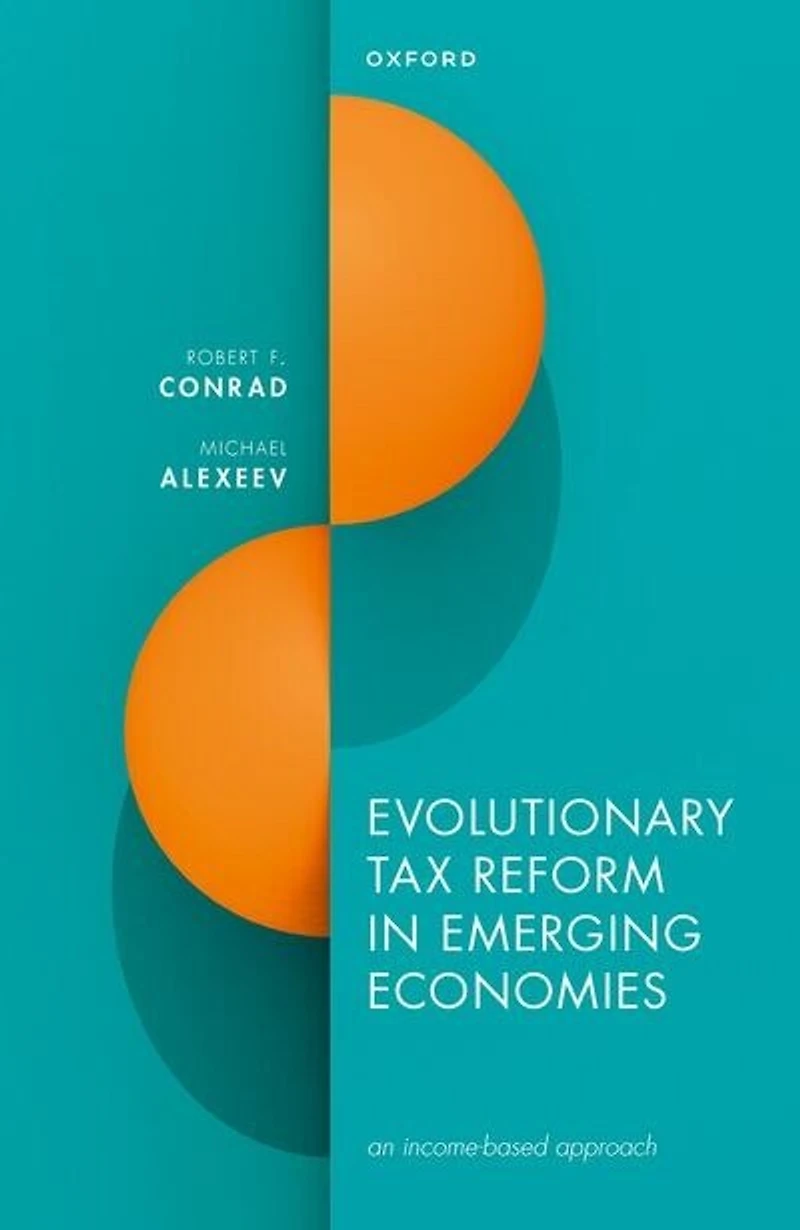
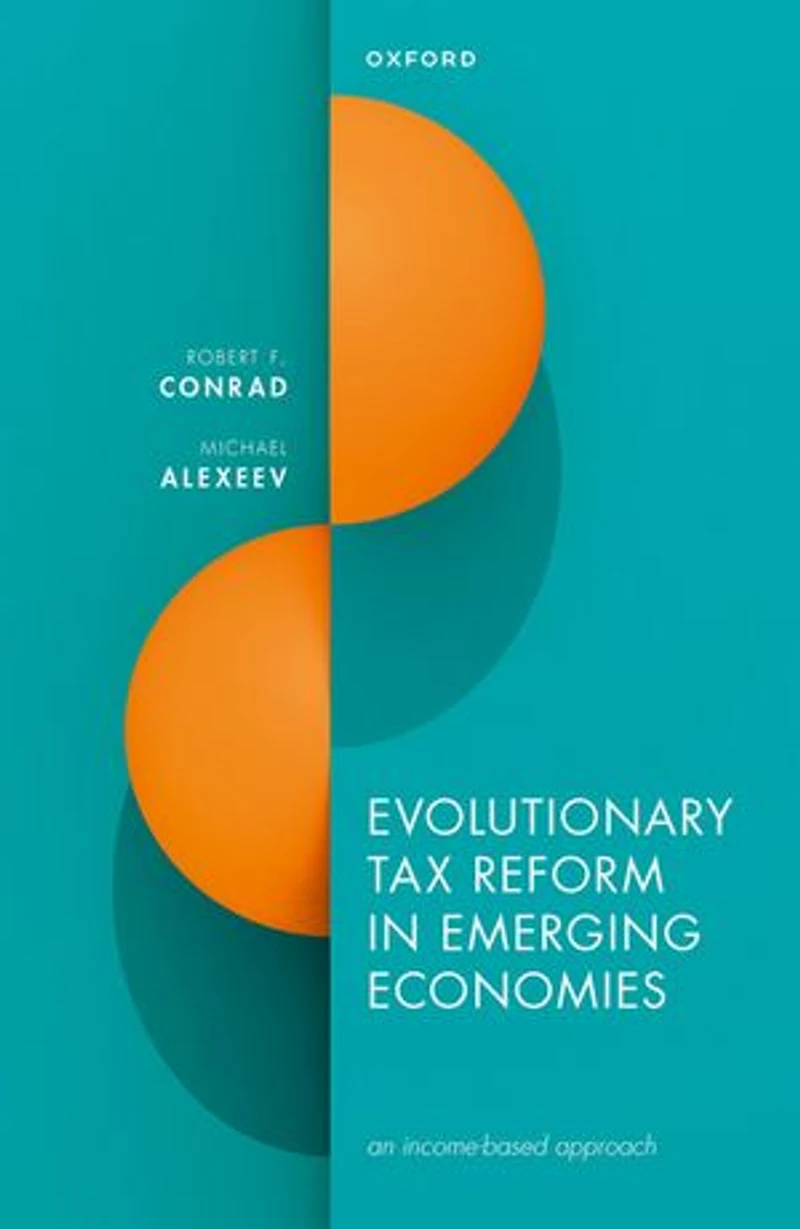
Evolutionary Tax Reform Emerging Economies: an income-based approach in Grande Prairie, AB
Current price: $250.00
Coles
Evolutionary Tax Reform Emerging Economies: an income-based approach in Grande Prairie, AB
Current price: $250.00
Loading Inventory...
Size: Hardcover
*Product information and pricing may vary - to confirm current pricing, availability, shipping, and return information please contact Coles. In the event of a pricing discrepancy, the retailer's price will apply.
Evolutionary Tax Reform in Emerging Economies: an income-based approach provides one approach to tax reform in emerging economies. Conrad describes the context for tax reform in these economies and outlines the “Standard Approach” to tax reform, an approach that is critically evaluated. Emphasis is placed on revenue generation given to economic efficiency considerations and constraints, institutional and economic, that change through time, and the approach of the work is based on two main elements: policy, for all tax instruments, developed with the individual as the taxpayer, and policy implemented via the use of withholding taxes (advanced taxes), to the extent possible, and via the use of withholding agents, Advanced Payment Agents (APA's). Evolutionary Tax Reform in Emerging Economies examines APAs, direct tax (income tax), and VAT, excises, and tariffs, and discusses topics such as how the base of each tax is defined, how the base might change over time, how APAs are used to collect advanced payments, and how to preserve excise tax collection at the point of production (or import).
Evolutionary Tax Reform in Emerging Economies: an income-based approach provides one approach to tax reform in emerging economies. Conrad describes the context for tax reform in these economies and outlines the “Standard Approach” to tax reform, an approach that is critically evaluated. Emphasis is placed on revenue generation given to economic efficiency considerations and constraints, institutional and economic, that change through time, and the approach of the work is based on two main elements: policy, for all tax instruments, developed with the individual as the taxpayer, and policy implemented via the use of withholding taxes (advanced taxes), to the extent possible, and via the use of withholding agents, Advanced Payment Agents (APA's). Evolutionary Tax Reform in Emerging Economies examines APAs, direct tax (income tax), and VAT, excises, and tariffs, and discusses topics such as how the base of each tax is defined, how the base might change over time, how APAs are used to collect advanced payments, and how to preserve excise tax collection at the point of production (or import).
You May Also Like













Find at Prairie Mall in Grande Prairie, AB
Visit at Prairie Mall in Grande Prairie, AB