


Gifting Made Simple
Give the Gift of ChoiceClick below to purchase a Prairie Mall eGift Card that can be used at participating retailers at Prairie Mall.Buy Gift CardHome
Evidence, Respect and Truth: Knowledge Justice Legal Trials
Coles
Loading Inventory...
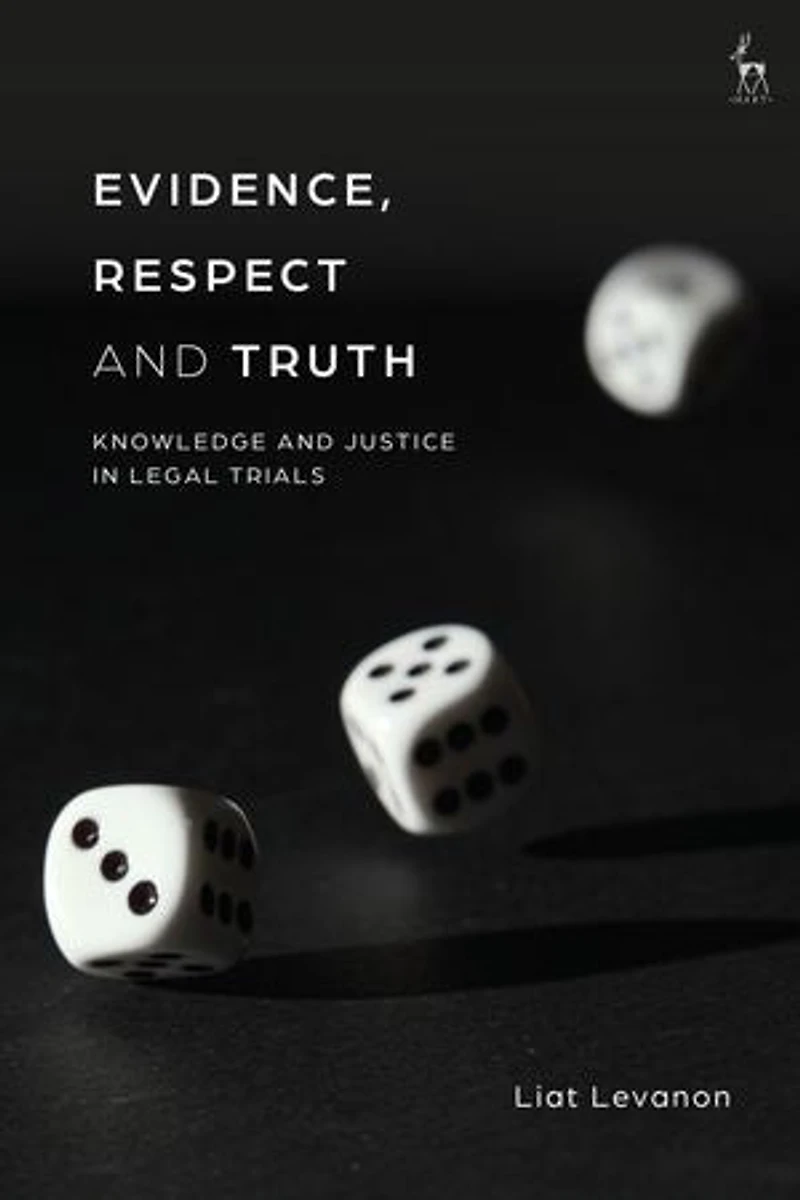
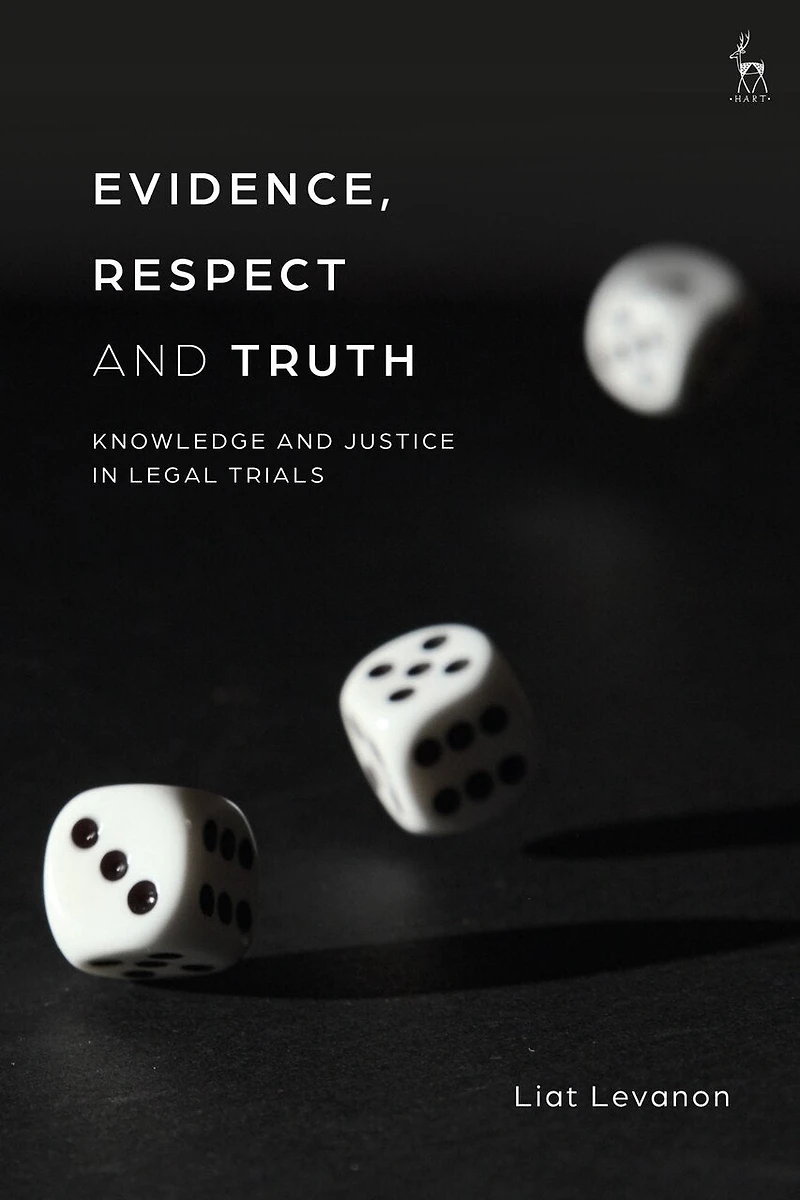
Evidence, Respect and Truth: Knowledge Justice Legal Trials in Grande Prairie, AB
Current price: $63.39
Original price: $79.15
Coles
Evidence, Respect and Truth: Knowledge Justice Legal Trials in Grande Prairie, AB
Current price: $63.39
Original price: $79.15
Loading Inventory...
Size: Kobo eBook
*Product information and pricing may vary - to confirm current pricing, availability, shipping, and return information please contact Coles. In the event of a pricing discrepancy, the retailer's price will apply.
Can we rely solely on statistics when we judge what is true and just? This book takes a holistic approach to addressing this question. It considers the legal trial as its paradigmatic case study before analysing a wide range of different cases, including profiling, the use of algorithms to predict students' grades, and the authorisation of automated cars. The book suggests that when we make judgements about the truth or about justice, approximations are not good enough. Truth and justice are uncompromising. They must be so, because the value that underlies them both is respect; and respect takes no compromise. Thus, in the search for truth as in the search for justice, a body of evidence that imposes a statistical compromise will not do. Only evidence that in principle allows reaching the truth and doing justice is good evidence. Once such evidence has been traced, the burden is on us to make good use of the evidence and reach truth and justice. We might or might not succeed, but once we have done our best on evidence that allows success, our judgements are justified; and as such, they can resolve conflicts over the truth and over justice.
Can we rely solely on statistics when we judge what is true and just? This book takes a holistic approach to addressing this question. It considers the legal trial as its paradigmatic case study before analysing a wide range of different cases, including profiling, the use of algorithms to predict students' grades, and the authorisation of automated cars. The book suggests that when we make judgements about the truth or about justice, approximations are not good enough. Truth and justice are uncompromising. They must be so, because the value that underlies them both is respect; and respect takes no compromise. Thus, in the search for truth as in the search for justice, a body of evidence that imposes a statistical compromise will not do. Only evidence that in principle allows reaching the truth and doing justice is good evidence. Once such evidence has been traced, the burden is on us to make good use of the evidence and reach truth and justice. We might or might not succeed, but once we have done our best on evidence that allows success, our judgements are justified; and as such, they can resolve conflicts over the truth and over justice.
You May Also Like










Find at Prairie Mall in Grande Prairie, AB
Visit at Prairie Mall in Grande Prairie, AB