


Gifting Made Simple
Give the Gift of ChoiceClick below to purchase a Prairie Mall eGift Card that can be used at participating retailers at Prairie Mall.Buy Gift CardHome
Everyday Economics: A User's Guide to the Modern Economy
Coles
Loading Inventory...

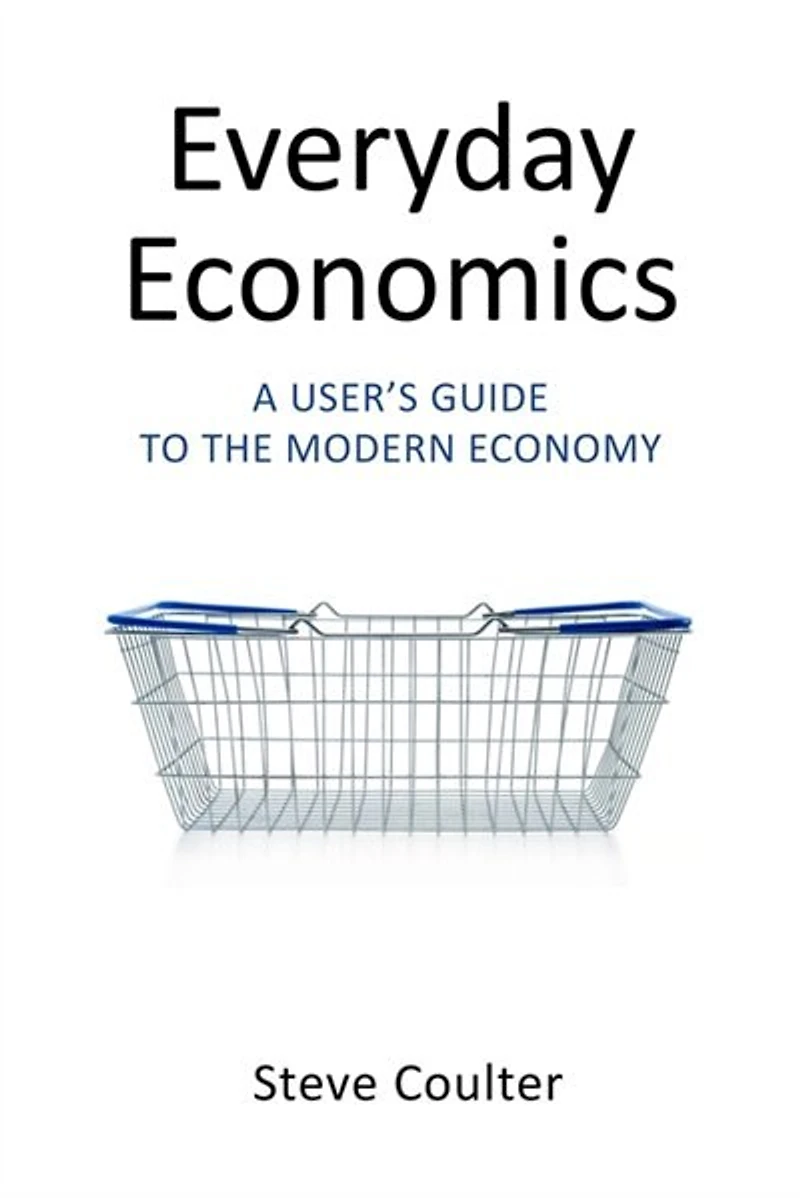
Everyday Economics: A User's Guide to the Modern Economy in Grande Prairie, AB
Current price: $143.00
Coles
Everyday Economics: A User's Guide to the Modern Economy in Grande Prairie, AB
Current price: $143.00
Loading Inventory...
Size: Hardcover
*Product information and pricing may vary - to confirm current pricing, availability, shipping, and return information please contact Coles. In the event of a pricing discrepancy, the retailer's price will apply.
Much of economics is a top-down analysis that simplifies and reduces the huge varieties between individuals to a predictable range of characteristics that lend themselves to systematic analysis. This book eschews this conventional perspective, which sees national economies as simply agglomerations of the activities of millions of people, and instead explores the role played by the individual in the economy, in particular, how the individual experiences the economy. In so doing, the book is able to illuminate the economic landscape for the non-technical reader in a much more engaging and accessible way.
Steve Coulter examines those areas of our lives that most direcly connect with the economy – jobs, education, healthcare, housing, personal finance, welfare, consumption – and explores how the individual choices we make are determined. He shows how the things we experience, need and consume fit into a fast-changing and interdependent global economic setting and highlights the role of government and markets in shaping our lives.
Much of economics is a top-down analysis that simplifies and reduces the huge varieties between individuals to a predictable range of characteristics that lend themselves to systematic analysis. This book eschews this conventional perspective, which sees national economies as simply agglomerations of the activities of millions of people, and instead explores the role played by the individual in the economy, in particular, how the individual experiences the economy. In so doing, the book is able to illuminate the economic landscape for the non-technical reader in a much more engaging and accessible way.
Steve Coulter examines those areas of our lives that most direcly connect with the economy – jobs, education, healthcare, housing, personal finance, welfare, consumption – and explores how the individual choices we make are determined. He shows how the things we experience, need and consume fit into a fast-changing and interdependent global economic setting and highlights the role of government and markets in shaping our lives.
You May Also Like










Find at Prairie Mall in Grande Prairie, AB
Visit at Prairie Mall in Grande Prairie, AB