


Gifting Made Simple
Give the Gift of ChoiceClick below to purchase a Prairie Mall eGift Card that can be used at participating retailers at Prairie Mall.Buy Gift CardHome
Evacuee Cinema: Bombay and Lahore in Partition Transit, 1940–1960
Coles
Loading Inventory...
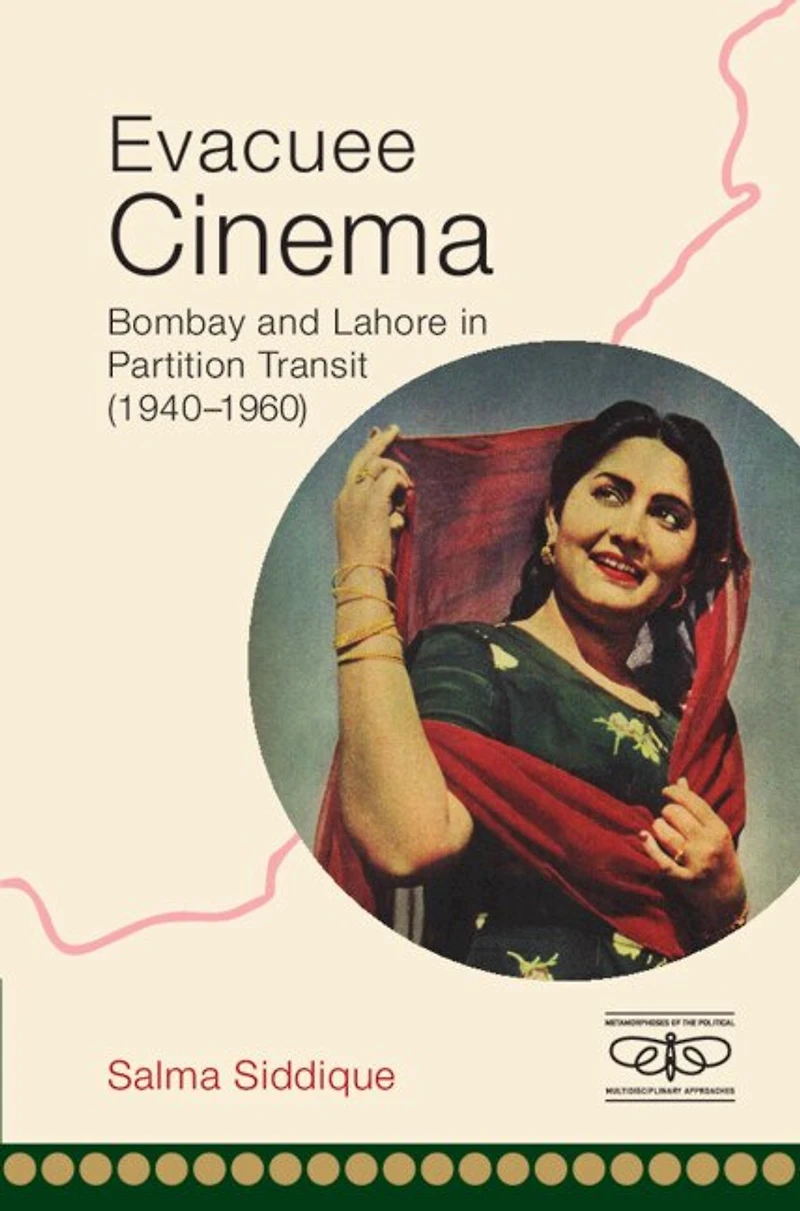
Evacuee Cinema: Bombay and Lahore in Partition Transit, 1940–1960 in Grande Prairie, AB
Current price: $140.95
Coles
Evacuee Cinema: Bombay and Lahore in Partition Transit, 1940–1960 in Grande Prairie, AB
Current price: $140.95
Loading Inventory...
Size: Hardcover
*Product information and pricing may vary - to confirm current pricing, availability, shipping, and return information please contact Coles. In the event of a pricing discrepancy, the retailer's price will apply.
This new history of partition and South Asian cinema is narrated through the careers of émigré film personnel, as well as through the distinctive genres and ancillary ventures that accompanied the aftershocks of partition. Moving beyond arguments about social contingency and political intent, the book suggests that the creative energies, production and subsequent circulation of popular cinema can offer fresh insights into partition. Pointing to regional connections across national boundaries, this book asserts that the cinemas of India and Pakistan must be explored in tandem to uncover the legacy of partition for the culture industries of the region, one that is not hewn out of national erasures. The leitmotifs of émigré personnel, gossip and satire in film print culture, the partisan repertoire of a theatre company, the film genres of the Muslim social, romantic comedies and charba (remakes), and the unruly film archives of postcolonial nation–states, when accessed through the lens of a divisive decolonization, reveal the parallaxes and confabulations of the 'national' on both sides.
This new history of partition and South Asian cinema is narrated through the careers of émigré film personnel, as well as through the distinctive genres and ancillary ventures that accompanied the aftershocks of partition. Moving beyond arguments about social contingency and political intent, the book suggests that the creative energies, production and subsequent circulation of popular cinema can offer fresh insights into partition. Pointing to regional connections across national boundaries, this book asserts that the cinemas of India and Pakistan must be explored in tandem to uncover the legacy of partition for the culture industries of the region, one that is not hewn out of national erasures. The leitmotifs of émigré personnel, gossip and satire in film print culture, the partisan repertoire of a theatre company, the film genres of the Muslim social, romantic comedies and charba (remakes), and the unruly film archives of postcolonial nation–states, when accessed through the lens of a divisive decolonization, reveal the parallaxes and confabulations of the 'national' on both sides.
You May Also Like










Find at Prairie Mall in Grande Prairie, AB
Visit at Prairie Mall in Grande Prairie, AB