


Gifting Made Simple
Give the Gift of ChoiceClick below to purchase a Prairie Mall eGift Card that can be used at participating retailers at Prairie Mall.Buy Gift CardHome
Evacuation: The Politics and Aesthetics of Movement Emergency
Coles
Loading Inventory...
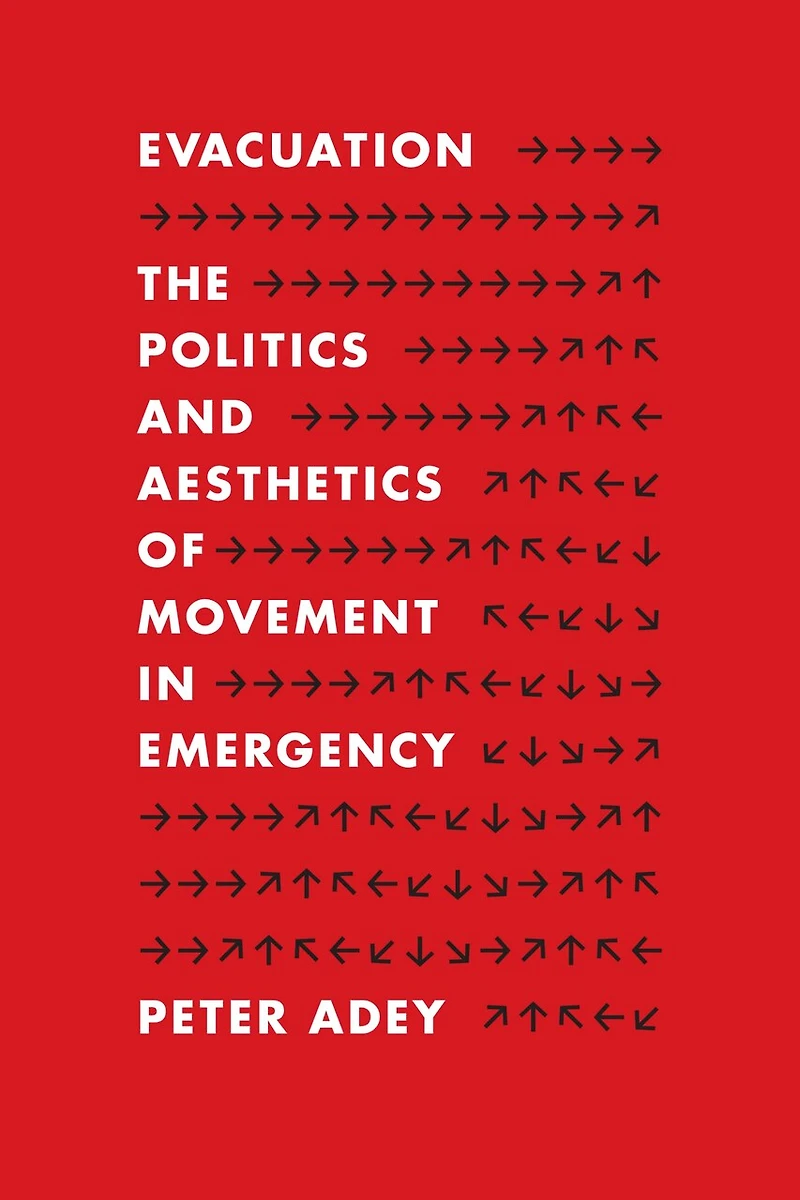
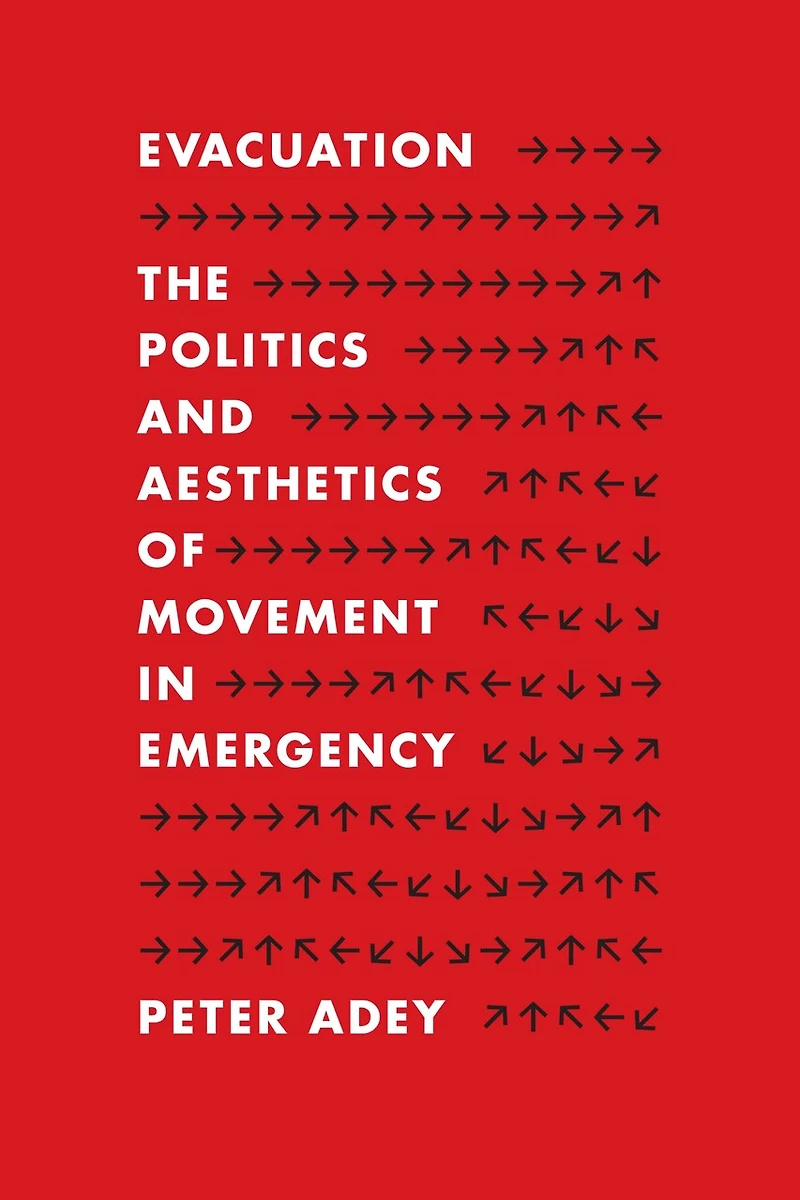
Evacuation: The Politics and Aesthetics of Movement Emergency in Grande Prairie, AB
Current price: $140.95
Coles
Evacuation: The Politics and Aesthetics of Movement Emergency in Grande Prairie, AB
Current price: $140.95
Loading Inventory...
Size: Hardcover
*Product information and pricing may vary - to confirm current pricing, availability, shipping, and return information please contact Coles. In the event of a pricing discrepancy, the retailer's price will apply.
In Evacuation , Peter Adey examines the politics, aesthetics, and practice of moving people and animals from harm during emergencies. He outlines how the governance and design of evacuation are recursive, operating on myriad political, symbolic, and affective levels in ways that reflect and reinforce social hierarchies. Drawing on a wide range of case studies, from the retrieval of wounded soldiers from the battlefield during World War I and escaping the World Trade Center on 9/11 to the human and animal evacuations in response to the 2009 Australian bushfires and the 2010 Haiti earthquake, Adey demonstrates that evacuation is not an equal process. Some people may choose not to move while others are forced; some may even be brought into harm through evacuation. Often the poorest, racialized, and most marginalized communities hold the least power in such moments. At the same time, these communities can generate compassionate, creative, and democratic forms of care that offer alternative responses to crises. Ultimately, Adey contends, understanding the practice of evacuation illuminates its importance to power relations and everyday governance.
In Evacuation , Peter Adey examines the politics, aesthetics, and practice of moving people and animals from harm during emergencies. He outlines how the governance and design of evacuation are recursive, operating on myriad political, symbolic, and affective levels in ways that reflect and reinforce social hierarchies. Drawing on a wide range of case studies, from the retrieval of wounded soldiers from the battlefield during World War I and escaping the World Trade Center on 9/11 to the human and animal evacuations in response to the 2009 Australian bushfires and the 2010 Haiti earthquake, Adey demonstrates that evacuation is not an equal process. Some people may choose not to move while others are forced; some may even be brought into harm through evacuation. Often the poorest, racialized, and most marginalized communities hold the least power in such moments. At the same time, these communities can generate compassionate, creative, and democratic forms of care that offer alternative responses to crises. Ultimately, Adey contends, understanding the practice of evacuation illuminates its importance to power relations and everyday governance.
You May Also Like













Find at Prairie Mall in Grande Prairie, AB
Visit at Prairie Mall in Grande Prairie, AB