


Gifting Made Simple
Give the Gift of ChoiceClick below to purchase a Prairie Mall eGift Card that can be used at participating retailers at Prairie Mall.Buy Gift CardHome
European Stamp Issues: Images Of Triumph, Deceit And Despair
Coles
Loading Inventory...
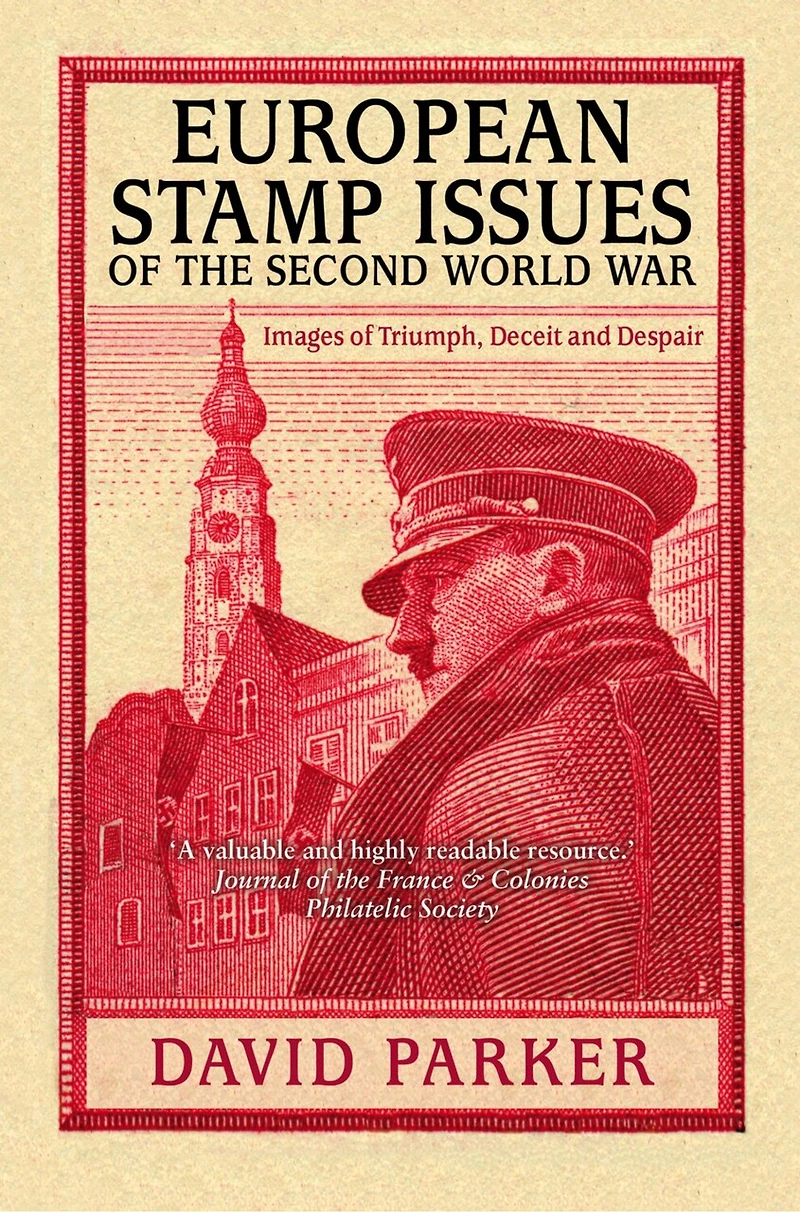
European Stamp Issues: Images Of Triumph, Deceit And Despair in Grande Prairie, AB
Current price: $33.95
Coles
European Stamp Issues: Images Of Triumph, Deceit And Despair in Grande Prairie, AB
Current price: $33.95
Loading Inventory...
Size: Paperback
*Product information and pricing may vary - to confirm current pricing, availability, shipping, and return information please contact Coles. In the event of a pricing discrepancy, the retailer's price will apply.
Today, European nations still use stamps to commemorate aspects of a nation’s culture, history and achievements. During the Second World War, however, stamps were considered far more important in conveying political and ideological messages about their country’s change in fortunes – whether it was as triumphant occupier, willing or unwilling ally, or oppressed victim. Some issues and overprints contained obvious messages, but many others were skillfully designed and subtle in their intentions. Stamps and their accompanying postmarks offer an absorbing and surprisingly detailed insight into the hopes and fears of nations at this tumultuous time. This remarkable collection examines and interprets the stamps of twenty-two countries across western and eastern Europe. The glorification of the Führer and Germany on the stamps of countries he most oppressed was inevitable, but many issues are ambiguous and indicative of the rival ethnic and political forces striving to attain influence and power. Desperate to unite the people, Soviet Russia resorted to images of the nation’s heroic achievements under the Tsars; the mutually hostile puppet states Hitler and Mussolini allowed to emerge out of conquered Yugoslavia lost no time in issuing stamps proclaiming their cultural diversity; and Vichy France sought to justify its existence with issues linking past glories under Louis XIV and Napoleon with an equally glorious future alongside Hitler. These and many more stories reveal the aspirations, assumptions and anxieties of so many nations as their destinies hung in the balance.
Today, European nations still use stamps to commemorate aspects of a nation’s culture, history and achievements. During the Second World War, however, stamps were considered far more important in conveying political and ideological messages about their country’s change in fortunes – whether it was as triumphant occupier, willing or unwilling ally, or oppressed victim. Some issues and overprints contained obvious messages, but many others were skillfully designed and subtle in their intentions. Stamps and their accompanying postmarks offer an absorbing and surprisingly detailed insight into the hopes and fears of nations at this tumultuous time. This remarkable collection examines and interprets the stamps of twenty-two countries across western and eastern Europe. The glorification of the Führer and Germany on the stamps of countries he most oppressed was inevitable, but many issues are ambiguous and indicative of the rival ethnic and political forces striving to attain influence and power. Desperate to unite the people, Soviet Russia resorted to images of the nation’s heroic achievements under the Tsars; the mutually hostile puppet states Hitler and Mussolini allowed to emerge out of conquered Yugoslavia lost no time in issuing stamps proclaiming their cultural diversity; and Vichy France sought to justify its existence with issues linking past glories under Louis XIV and Napoleon with an equally glorious future alongside Hitler. These and many more stories reveal the aspirations, assumptions and anxieties of so many nations as their destinies hung in the balance.
You May Also Like



















Find at Prairie Mall in Grande Prairie, AB
Visit at Prairie Mall in Grande Prairie, AB