


Gifting Made Simple
Give the Gift of ChoiceClick below to purchase a Prairie Mall eGift Card that can be used at participating retailers at Prairie Mall.Buy Gift CardHome
European Elites and Ideas of Empire, 1917–1957
Coles
Loading Inventory...
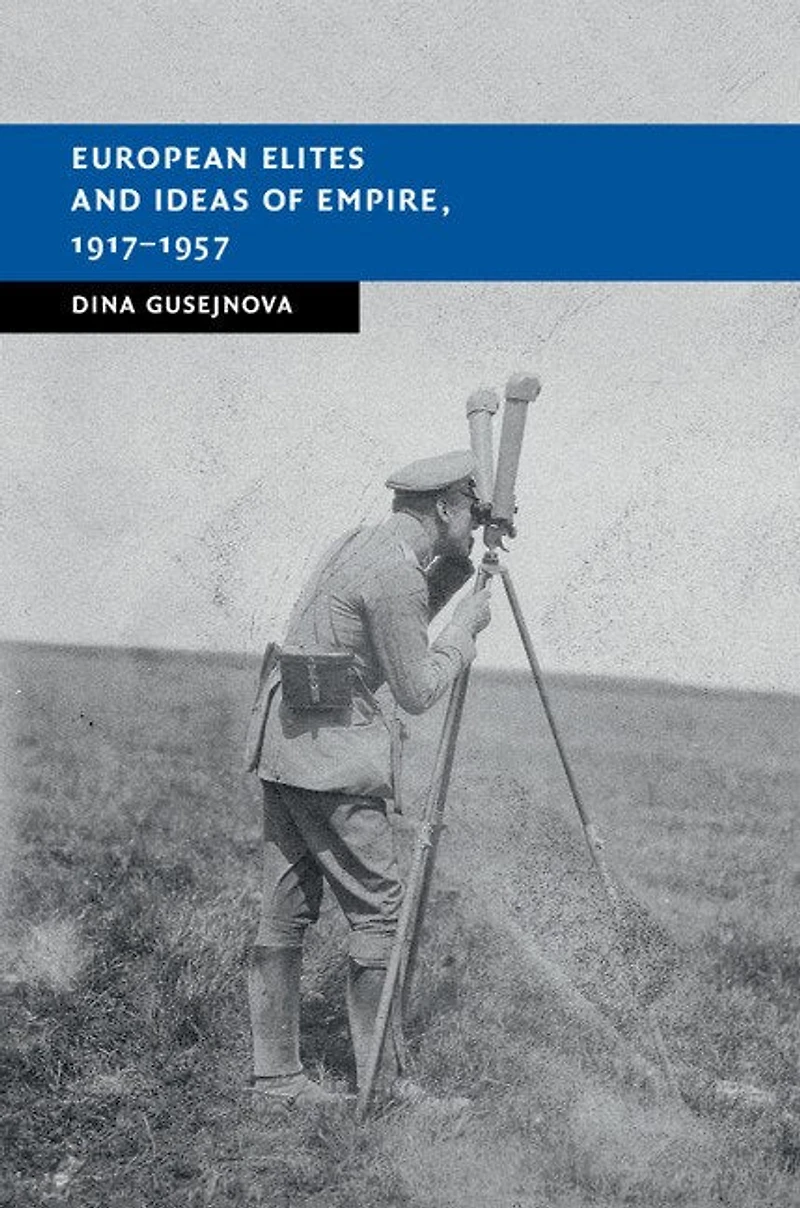
European Elites and Ideas of Empire, 1917–1957 in Grande Prairie, AB
Current price: $172.95
Coles
European Elites and Ideas of Empire, 1917–1957 in Grande Prairie, AB
Current price: $172.95
Loading Inventory...
Size: Hardcover
*Product information and pricing may vary - to confirm current pricing, availability, shipping, and return information please contact Coles. In the event of a pricing discrepancy, the retailer's price will apply.
Who thought of Europe as a community before its economic integration in 1957? Dina Gusejnova illustrates how a supranational European mentality was forged from depleted imperial identities. In the revolutions of 1917 to 1920, the power of the Hohenzollern, Habsburg and Romanoff dynasties over their subjects expired. Even though Germany lost its credit as a world power twice in that century, in the global cultural memory, the old Germanic families remained associated with the idea of Europe in areas reaching from Mexico to the Baltic region and India. Gusejnova's book sheds light on a group of German-speaking intellectuals of aristocratic origin who became pioneers of Europe's future regeneration. In the minds of transnational elites, the continent's future horizons retained the contours of phantom empires. This title is available as Open Access.
Who thought of Europe as a community before its economic integration in 1957? Dina Gusejnova illustrates how a supranational European mentality was forged from depleted imperial identities. In the revolutions of 1917 to 1920, the power of the Hohenzollern, Habsburg and Romanoff dynasties over their subjects expired. Even though Germany lost its credit as a world power twice in that century, in the global cultural memory, the old Germanic families remained associated with the idea of Europe in areas reaching from Mexico to the Baltic region and India. Gusejnova's book sheds light on a group of German-speaking intellectuals of aristocratic origin who became pioneers of Europe's future regeneration. In the minds of transnational elites, the continent's future horizons retained the contours of phantom empires. This title is available as Open Access.
You May Also Like












Find at Prairie Mall in Grande Prairie, AB
Visit at Prairie Mall in Grande Prairie, AB