


Gifting Made Simple
Give the Gift of ChoiceClick below to purchase a Prairie Mall eGift Card that can be used at participating retailers at Prairie Mall.Buy Gift CardHome
Europe in the Russian Mirror: Four Lectures in Economic History
Coles
Loading Inventory...
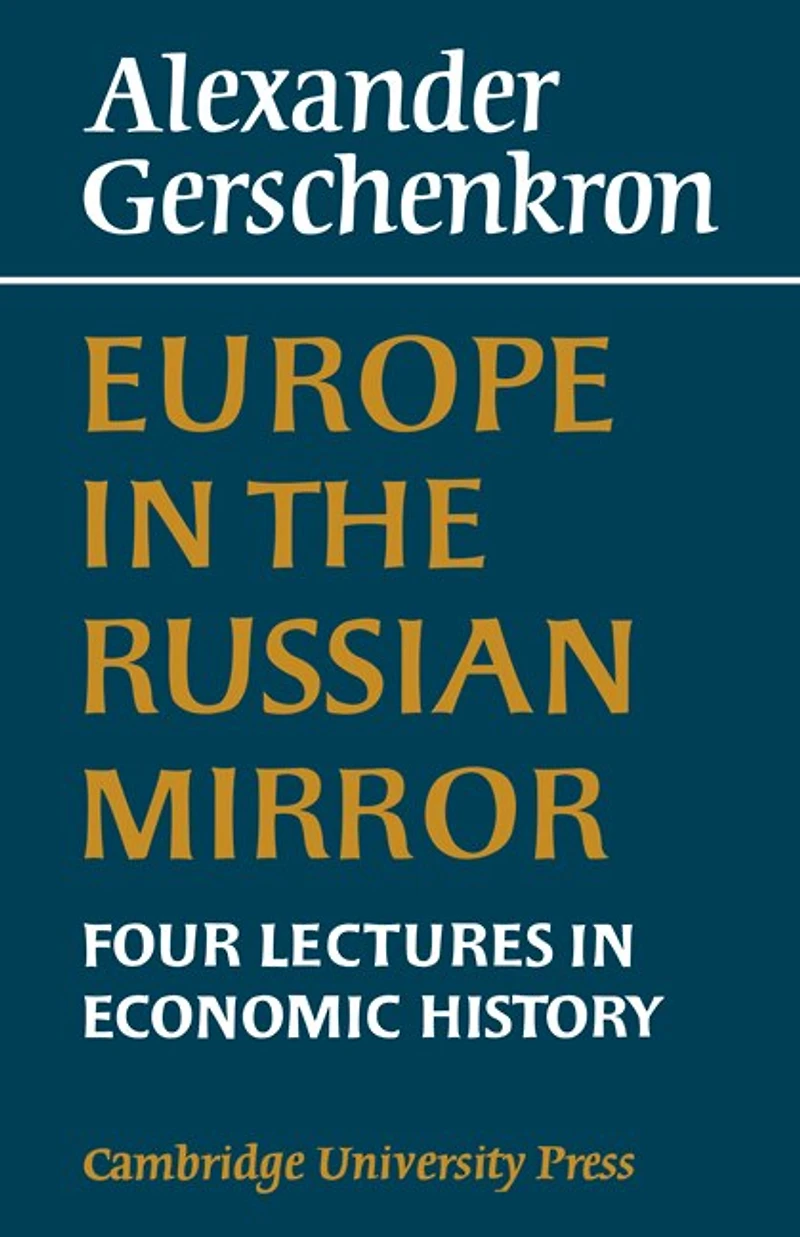
Europe in the Russian Mirror: Four Lectures in Economic History in Grande Prairie, AB
Current price: $52.79
Coles
Europe in the Russian Mirror: Four Lectures in Economic History in Grande Prairie, AB
Current price: $52.79
Loading Inventory...
Size: Paperback
*Product information and pricing may vary - to confirm current pricing, availability, shipping, and return information please contact Coles. In the event of a pricing discrepancy, the retailer's price will apply.
First published in 1970, Professor Gerschenkron's theme is the contribution which the study of Russian economic history can make to the problems which have preoccupied Western historians. He first considers the way in which the case of the old Believers in Russia, who refused to support the official church but played an important entrepreneurial role in nineteenth-century economic development, bears upon Max Weber's celebrated thesis on the relations between the Protestant ethic and the spirit of capitalism. In the course of his discussion, Professor Gerschenkron provides important information on the doctrinal beliefs of this group, their social status and the extent to which they were persecuted and discriminated against by the State. His conclusion is that the persecution certainly afforded sufficient impulse to engage in profitable activities and to develop the traits Weber considered as specific features of the 'capitalist' spirit.
First published in 1970, Professor Gerschenkron's theme is the contribution which the study of Russian economic history can make to the problems which have preoccupied Western historians. He first considers the way in which the case of the old Believers in Russia, who refused to support the official church but played an important entrepreneurial role in nineteenth-century economic development, bears upon Max Weber's celebrated thesis on the relations between the Protestant ethic and the spirit of capitalism. In the course of his discussion, Professor Gerschenkron provides important information on the doctrinal beliefs of this group, their social status and the extent to which they were persecuted and discriminated against by the State. His conclusion is that the persecution certainly afforded sufficient impulse to engage in profitable activities and to develop the traits Weber considered as specific features of the 'capitalist' spirit.
You May Also Like













Find at Prairie Mall in Grande Prairie, AB
Visit at Prairie Mall in Grande Prairie, AB