


Gifting Made Simple
Give the Gift of ChoiceClick below to purchase a Prairie Mall eGift Card that can be used at participating retailers at Prairie Mall.Buy Gift CardHome
Ethics in the Qurʾān and the Tafsīr Tradition: From the Polynoia of Scripture to the Homonoia of Exegesis
Coles
Loading Inventory...
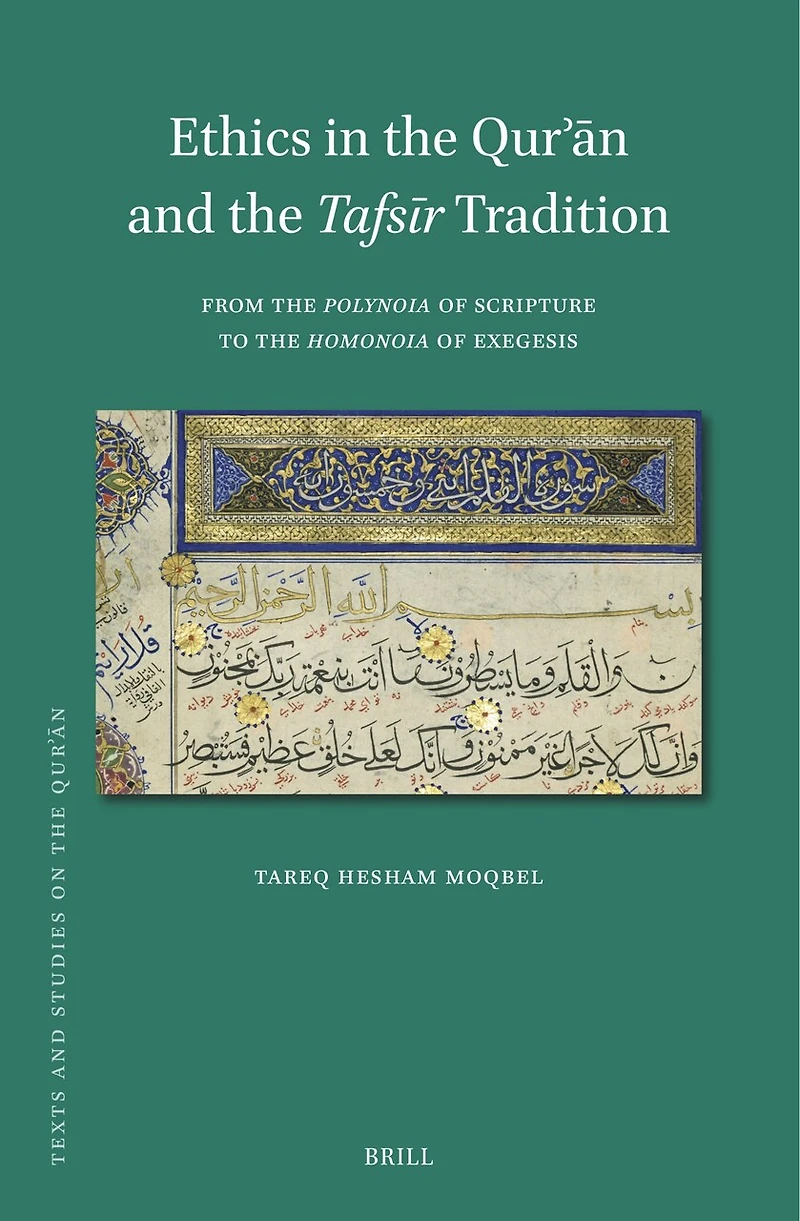
Ethics in the Qurʾān and the Tafsīr Tradition: From the Polynoia of Scripture to the Homonoia of Exegesis in Grande Prairie, AB
Current price: $141.99
Coles
Ethics in the Qurʾān and the Tafsīr Tradition: From the Polynoia of Scripture to the Homonoia of Exegesis in Grande Prairie, AB
Current price: $141.99
Loading Inventory...
Size: Hardcover
*Product information and pricing may vary - to confirm current pricing, availability, shipping, and return information please contact Coles. In the event of a pricing discrepancy, the retailer's price will apply.
This book is about the articulation of ethics in the Qurʾān and the tafsīr tradition. Based on an examination of several apparently problematic Qurʾānic narrative pericopes and how the exegetes grappled with them, the book demonstrates that the moral world of the Qurʾān is polyvalent and non-linear, owing, above all, to its intrinsic ethical antinomies and textual ambiguities. That is, the book contends that paradox and uncertainty are both constituents of the Qurʾān’s ethical architectonics, and that through these constituents the Qurʾān charts a system of ethics that seeks to tread in the midst of a non-ideal world rife with uncertainty.
The book also argues that the tafsīr tradition tends to erode the hermeneutical openness of the Qurʾān and, thereby, limits the Qurʾān’s ethical potential. The book, thus, advances our understanding of Qurʾānic ethics and contributes to the field of tafsīr studies and to the scholarship on Qurʾānic hermeneutics.
This book is about the articulation of ethics in the Qurʾān and the tafsīr tradition. Based on an examination of several apparently problematic Qurʾānic narrative pericopes and how the exegetes grappled with them, the book demonstrates that the moral world of the Qurʾān is polyvalent and non-linear, owing, above all, to its intrinsic ethical antinomies and textual ambiguities. That is, the book contends that paradox and uncertainty are both constituents of the Qurʾān’s ethical architectonics, and that through these constituents the Qurʾān charts a system of ethics that seeks to tread in the midst of a non-ideal world rife with uncertainty.
The book also argues that the tafsīr tradition tends to erode the hermeneutical openness of the Qurʾān and, thereby, limits the Qurʾān’s ethical potential. The book, thus, advances our understanding of Qurʾānic ethics and contributes to the field of tafsīr studies and to the scholarship on Qurʾānic hermeneutics.
You May Also Like








Find at Prairie Mall in Grande Prairie, AB
Visit at Prairie Mall in Grande Prairie, AB