


Gifting Made Simple
Give the Gift of ChoiceClick below to purchase a Prairie Mall eGift Card that can be used at participating retailers at Prairie Mall.Buy Gift CardHome
Eternal light and earthly concerns: Belief the shaping of medieval society
Coles
Loading Inventory...
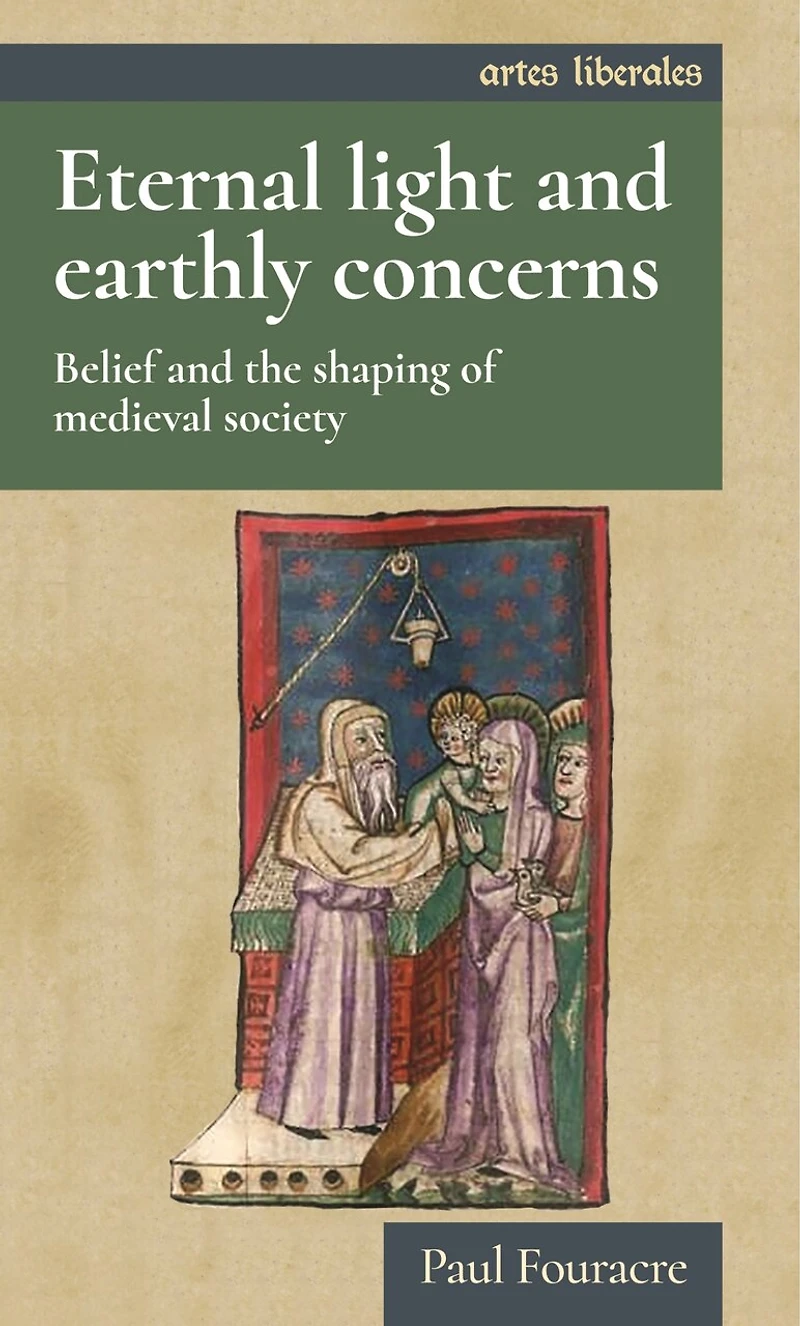
Eternal light and earthly concerns: Belief the shaping of medieval society in Grande Prairie, AB
Current price: $170.00
Coles
Eternal light and earthly concerns: Belief the shaping of medieval society in Grande Prairie, AB
Current price: $170.00
Loading Inventory...
Size: Hardcover
*Product information and pricing may vary - to confirm current pricing, availability, shipping, and return information please contact Coles. In the event of a pricing discrepancy, the retailer's price will apply.
In early Christianity it was established that every church should have a light burning on the altar at all times. In this unique study, Eternal light and earthly concerns, looks at the material and social consequences of maintaining these ‘eternal’ lights. It investigates how the cost of lighting was met across western Europe throughout the whole of the Middle Ages, revealing the social organisation that was built up around maintaining the lights in the belief that burning them reduced the time spent in Purgatory. When that belief collapsed in the Reformation the eternal lights were summarily extinguished. The history of the lights thus offers not only a new account of change in medieval Europe, but also a sustained examination of the relationship between materiality and belief.
In early Christianity it was established that every church should have a light burning on the altar at all times. In this unique study, Eternal light and earthly concerns, looks at the material and social consequences of maintaining these ‘eternal’ lights. It investigates how the cost of lighting was met across western Europe throughout the whole of the Middle Ages, revealing the social organisation that was built up around maintaining the lights in the belief that burning them reduced the time spent in Purgatory. When that belief collapsed in the Reformation the eternal lights were summarily extinguished. The history of the lights thus offers not only a new account of change in medieval Europe, but also a sustained examination of the relationship between materiality and belief.
You May Also Like










Find at Prairie Mall in Grande Prairie, AB
Visit at Prairie Mall in Grande Prairie, AB