


Gifting Made Simple
Give the Gift of ChoiceClick below to purchase a Prairie Mall eGift Card that can be used at participating retailers at Prairie Mall.Buy Gift CardHome
Essential Hydraulics: An Engineering Perspective
Coles
Loading Inventory...
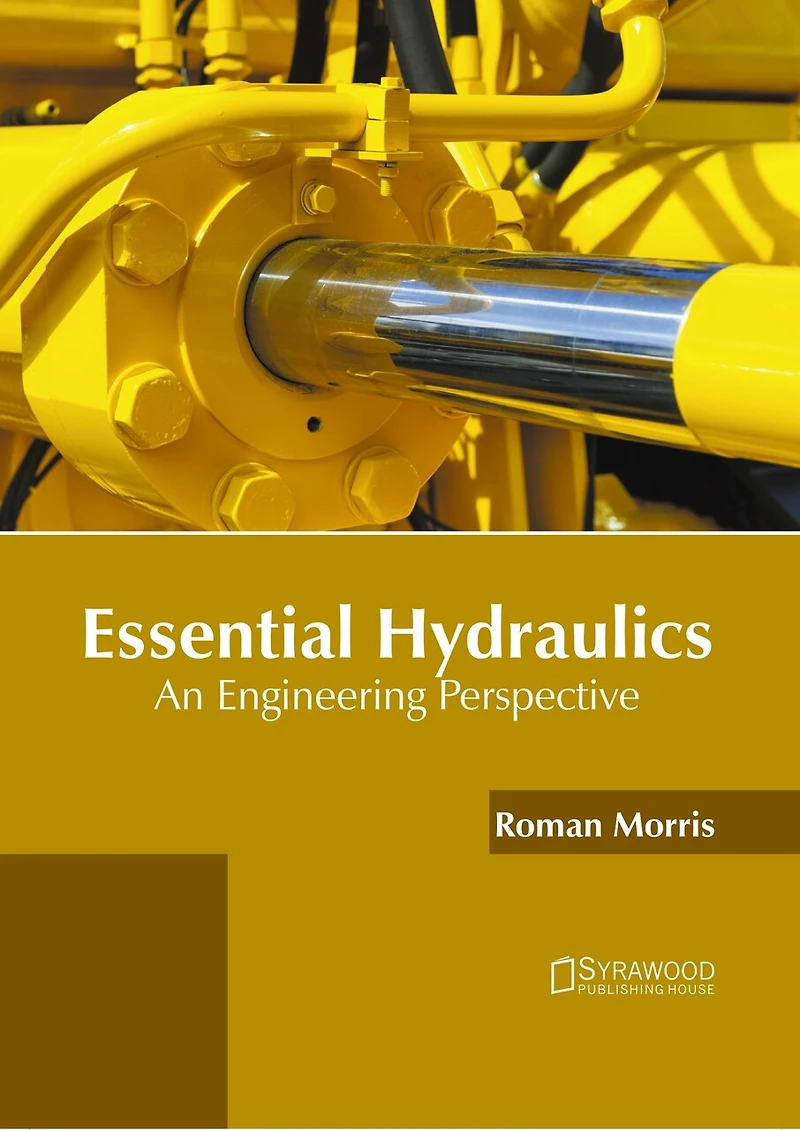
Essential Hydraulics: An Engineering Perspective in Grande Prairie, AB
Current price: $208.07
Coles
Essential Hydraulics: An Engineering Perspective in Grande Prairie, AB
Current price: $208.07
Loading Inventory...
Size: Hardcover
*Product information and pricing may vary - to confirm current pricing, availability, shipping, and return information please contact Coles. In the event of a pricing discrepancy, the retailer's price will apply.
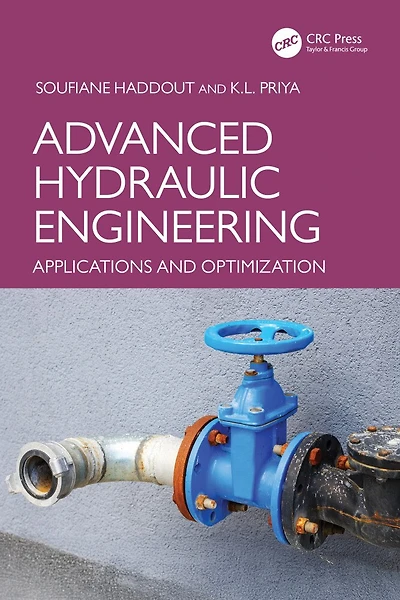
Hydraulics refers to the study of fluids in motion or at rest. It is associated with fluid mechanics, which serves as a major theoretical groundwork. Hydraulics is concerned with the mechanical properties of liquids and focuses on the engineering applications of fluid properties. Hydraulic systems use an incompressible fluid such as water or oil to transfer forces from one location to another within the fluid. Hydraulic engineering applies the principles of fluid mechanics to solve issues involving the collection, storage, control, regulation, transportation, measurement and use of water. Dam design, hydropower, erosion, pipe flow, river channel behavior, pumps, computational fluid dynamics, turbines and flow measurement, and river hydrology are some of the industrial applications of hydraulics. This book is a compilation of chapters that discuss the most vital concepts and emerging trends related to the study of hydraulics from an engineering perspective. It aims to serve as a resource guide for students and experts alike and contribute to the growth of the discipline.
Hydraulics refers to the study of fluids in motion or at rest. It is associated with fluid mechanics, which serves as a major theoretical groundwork. Hydraulics is concerned with the mechanical properties of liquids and focuses on the engineering applications of fluid properties. Hydraulic systems use an incompressible fluid such as water or oil to transfer forces from one location to another within the fluid. Hydraulic engineering applies the principles of fluid mechanics to solve issues involving the collection, storage, control, regulation, transportation, measurement and use of water. Dam design, hydropower, erosion, pipe flow, river channel behavior, pumps, computational fluid dynamics, turbines and flow measurement, and river hydrology are some of the industrial applications of hydraulics. This book is a compilation of chapters that discuss the most vital concepts and emerging trends related to the study of hydraulics from an engineering perspective. It aims to serve as a resource guide for students and experts alike and contribute to the growth of the discipline.
You May Also Like















Find at Prairie Mall in Grande Prairie, AB
Visit at Prairie Mall in Grande Prairie, AB