


Gifting Made Simple
Give the Gift of ChoiceClick below to purchase a Prairie Mall eGift Card that can be used at participating retailers at Prairie Mall.Buy Gift CardHome
Escaping From Predators: An Integrative View Of Escape Decisions
Coles
Loading Inventory...
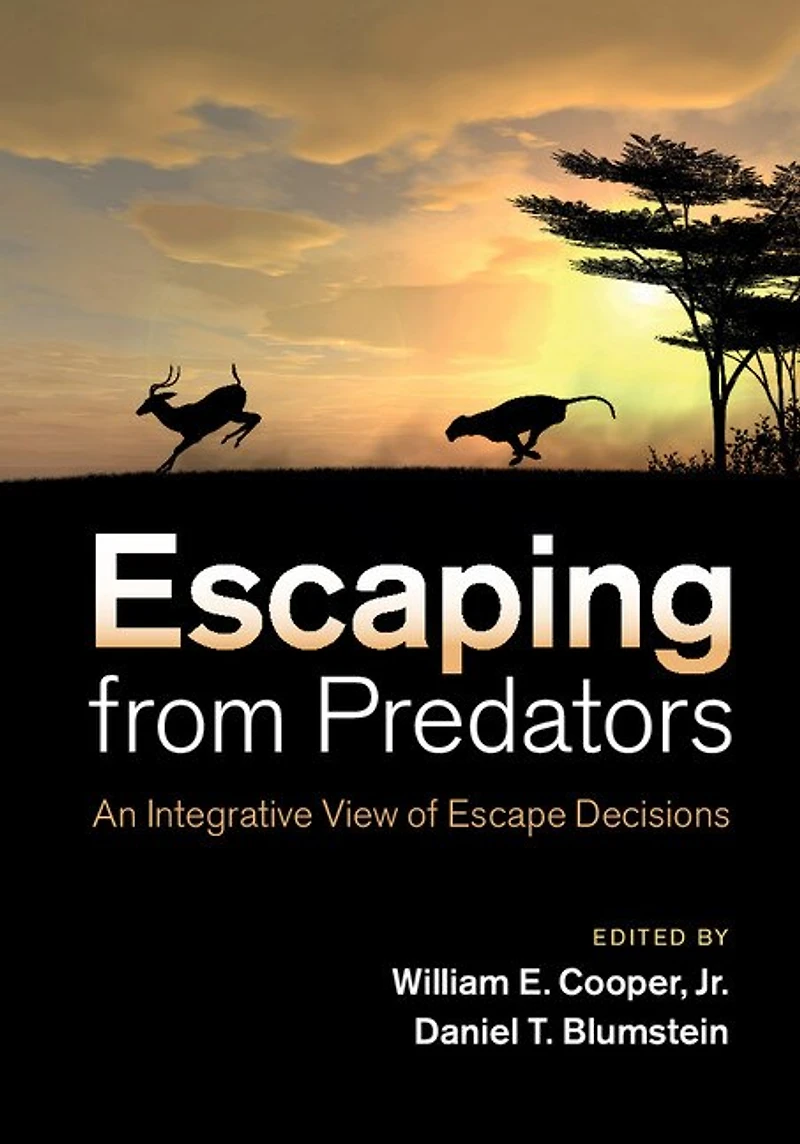
Escaping From Predators: An Integrative View Of Escape Decisions in Grande Prairie, AB
Current price: $134.95
Coles
Escaping From Predators: An Integrative View Of Escape Decisions in Grande Prairie, AB
Current price: $134.95
Loading Inventory...
Size: Hardcover
*Product information and pricing may vary - to confirm current pricing, availability, shipping, and return information please contact Coles. In the event of a pricing discrepancy, the retailer's price will apply.
When a predator attacks, prey are faced with a series of 'if', 'when' and 'how' escape decisions – these critical questions are the foci of this book. Cooper and Blumstein bring together a balance of theory and empirical research to summarise over fifty years of scattered research and benchmark current thinking in the rapidly expanding literature on the behavioural ecology of escaping. The book consolidates current and new behaviour models with taxonomically divided empirical chapters that demonstrate the application of escape theory to different groups. The chapters integrate behaviour with physiology, genetics and evolution to lead the reader through the complex decisions faced by prey during a predator attack, examining how these decisions interact with life history and individual variation. The chapter on best practice field methodology and the ideas for future research presented throughout, ensure this volume is practical as well as informative.
When a predator attacks, prey are faced with a series of 'if', 'when' and 'how' escape decisions – these critical questions are the foci of this book. Cooper and Blumstein bring together a balance of theory and empirical research to summarise over fifty years of scattered research and benchmark current thinking in the rapidly expanding literature on the behavioural ecology of escaping. The book consolidates current and new behaviour models with taxonomically divided empirical chapters that demonstrate the application of escape theory to different groups. The chapters integrate behaviour with physiology, genetics and evolution to lead the reader through the complex decisions faced by prey during a predator attack, examining how these decisions interact with life history and individual variation. The chapter on best practice field methodology and the ideas for future research presented throughout, ensure this volume is practical as well as informative.
You May Also Like
















Find at Prairie Mall in Grande Prairie, AB
Visit at Prairie Mall in Grande Prairie, AB