


Gifting Made Simple
Give the Gift of ChoiceClick below to purchase a Prairie Mall eGift Card that can be used at participating retailers at Prairie Mall.Buy Gift CardHome
Epistemic Game Theory: Reasoning and Choice
Coles
Loading Inventory...
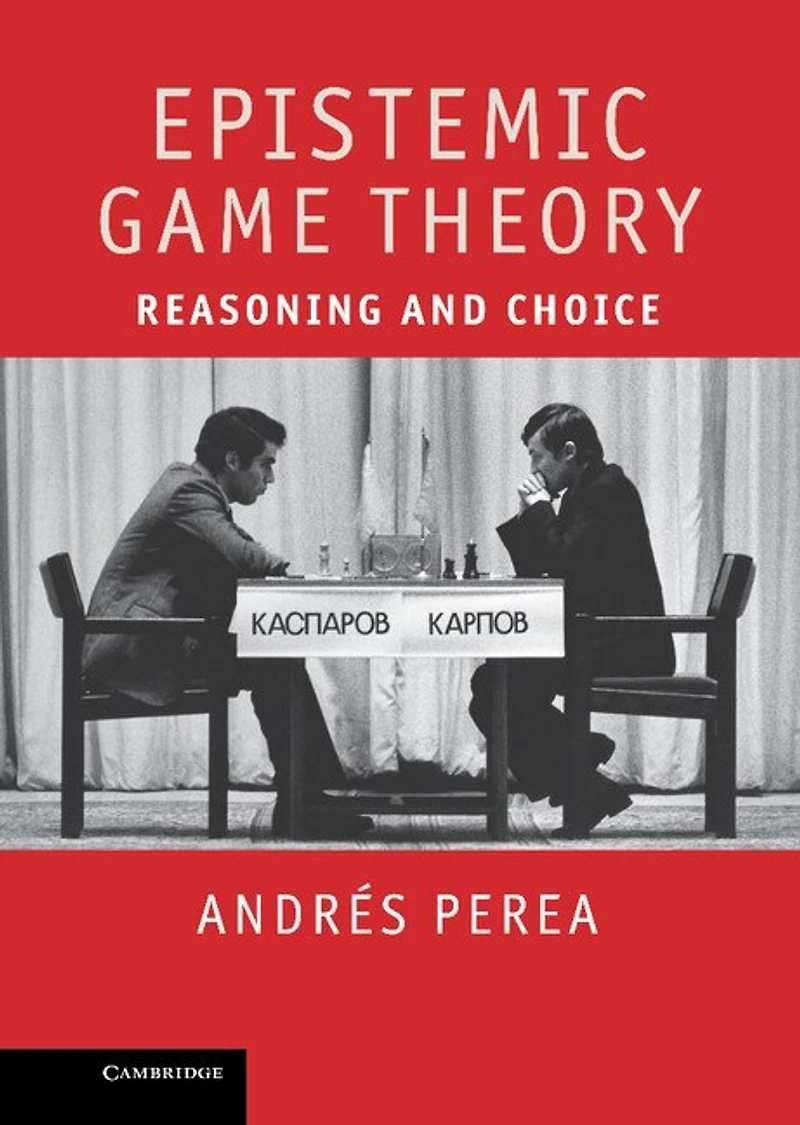
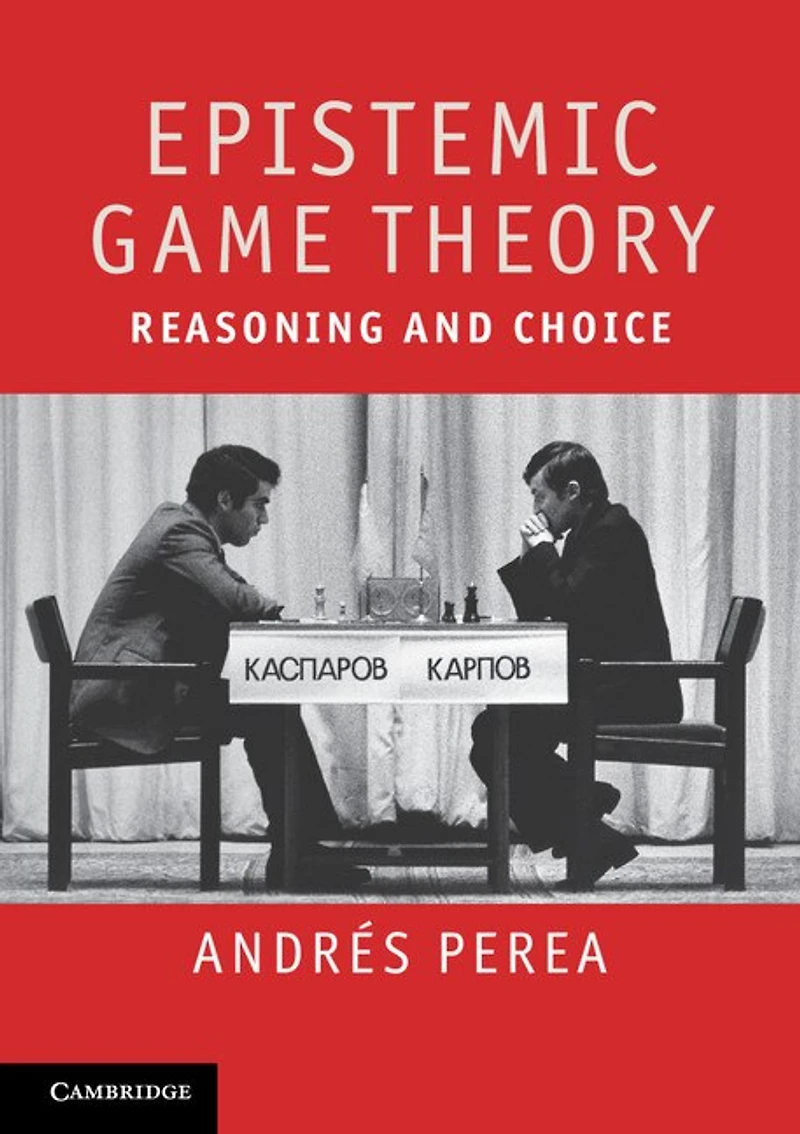
Epistemic Game Theory: Reasoning and Choice in Grande Prairie, AB
Current price: $169.95
Coles
Epistemic Game Theory: Reasoning and Choice in Grande Prairie, AB
Current price: $169.95
Loading Inventory...
Size: Hardcover
*Product information and pricing may vary - to confirm current pricing, availability, shipping, and return information please contact Coles. In the event of a pricing discrepancy, the retailer's price will apply.
In everyday life we must often reach decisions while knowing that the outcome will not only depend on our own choice, but also on the choices of others. These situations are the focus of epistemic game theory. Unlike classical game theory, it explores how people may reason about their opponents before they make their final choice in a game. Packed with examples and practical problems based on stories from everyday life, this is the first textbook to explain the principles of epistemic game theory. Each chapter is dedicated to one particular, natural way of reasoning. The book then shows how each of these ways of reasoning will affect the final choices that can rationally be made and how these choices can be found by iterative procedures. Moreover, it does so in a way that uses elementary mathematics and does not presuppose any previous knowledge of game theory.
In everyday life we must often reach decisions while knowing that the outcome will not only depend on our own choice, but also on the choices of others. These situations are the focus of epistemic game theory. Unlike classical game theory, it explores how people may reason about their opponents before they make their final choice in a game. Packed with examples and practical problems based on stories from everyday life, this is the first textbook to explain the principles of epistemic game theory. Each chapter is dedicated to one particular, natural way of reasoning. The book then shows how each of these ways of reasoning will affect the final choices that can rationally be made and how these choices can be found by iterative procedures. Moreover, it does so in a way that uses elementary mathematics and does not presuppose any previous knowledge of game theory.
You May Also Like









Find at Prairie Mall in Grande Prairie, AB
Visit at Prairie Mall in Grande Prairie, AB