


Gifting Made Simple
Give the Gift of ChoiceClick below to purchase a Prairie Mall eGift Card that can be used at participating retailers at Prairie Mall.Buy Gift CardHome
Epiphanius’ Alogi and the Johannine Controversy: A Reassessment of Early Ecclesial Opposition to the Johannine Corpus
Coles
Loading Inventory...
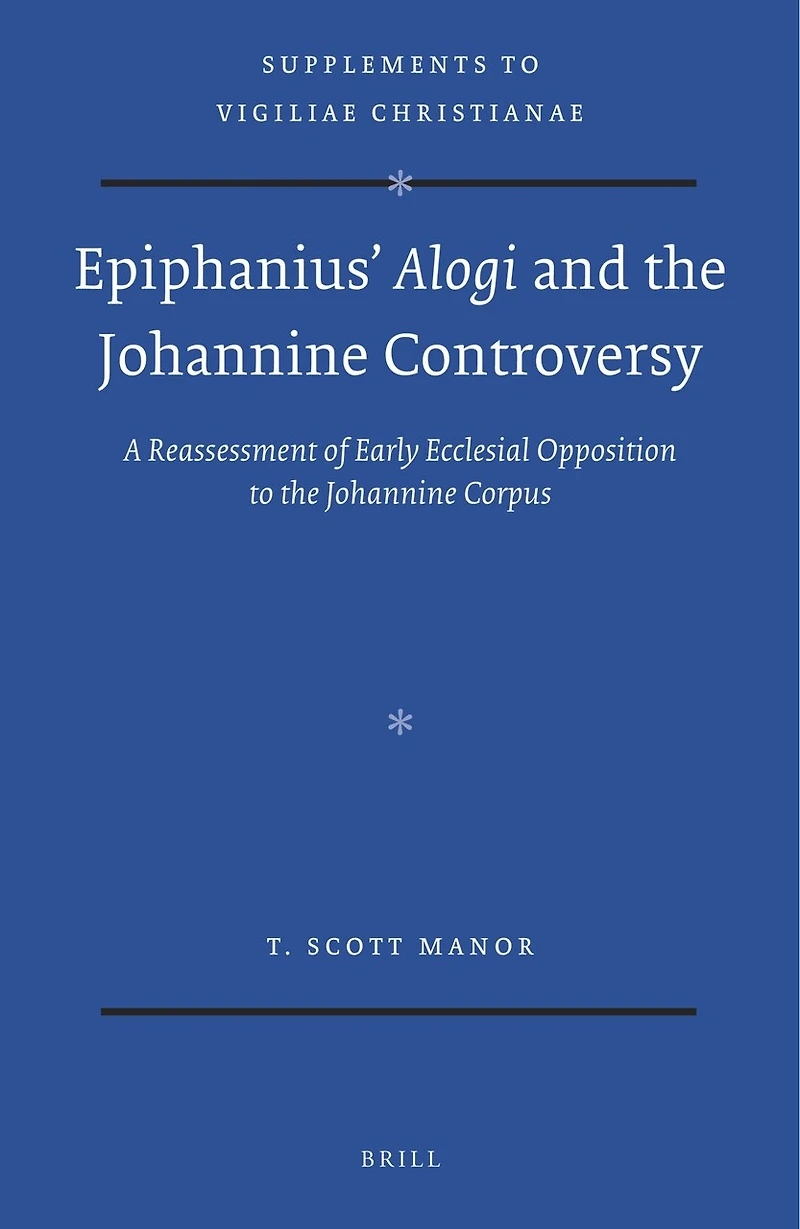
Epiphanius’ Alogi and the Johannine Controversy: A Reassessment of Early Ecclesial Opposition to the Johannine Corpus
By None
Current price: $211.99
Coles
Epiphanius’ Alogi and the Johannine Controversy: A Reassessment of Early Ecclesial Opposition to the Johannine Corpus
By None
Current price: $211.99
Loading Inventory...
Size: Hardcover
*Product information and pricing may vary - to confirm current pricing, availability, shipping, and return information please contact Coles. In the event of a pricing discrepancy, the retailer's price will apply.
In this work T. Scott Manor provides a new perspective on a common view, known as the ‘Johannine Controversy’, which maintains that the early church once tried to jettison the Gospel and Apocalypse of John as heretical forgeries.
Primary evidence comes from Epiphanius of Salamis, who mentions a heretical group with such views, the Alogi . This along with with other evidence from sources including Irenaeus, Hippolytus, Origen, Eusebius, Photius, Dionysius bar Salibi, Ebed-Jesu and others has led to the conclusion that a certain Gaius of Rome led the Alogi in this anti-Johannine campaign. By carefully examining Epiphanius’ account in relation to these other sources, Manor arrives at very different conclusions that question whether any such controversy ever existed at all.
In this work T. Scott Manor provides a new perspective on a common view, known as the ‘Johannine Controversy’, which maintains that the early church once tried to jettison the Gospel and Apocalypse of John as heretical forgeries.
Primary evidence comes from Epiphanius of Salamis, who mentions a heretical group with such views, the Alogi . This along with with other evidence from sources including Irenaeus, Hippolytus, Origen, Eusebius, Photius, Dionysius bar Salibi, Ebed-Jesu and others has led to the conclusion that a certain Gaius of Rome led the Alogi in this anti-Johannine campaign. By carefully examining Epiphanius’ account in relation to these other sources, Manor arrives at very different conclusions that question whether any such controversy ever existed at all.
You May Also Like









More About Coles at Prairie Mall
11801 100 St #104, Grande Prairie, AB T8V 3Y2, Canada
Find Coles at Prairie Mall in Grande Prairie, AB
Visit Coles at Prairie Mall in Grande Prairie, AB