


Gifting Made Simple
Give the Gift of ChoiceClick below to purchase a Prairie Mall eGift Card that can be used at participating retailers at Prairie Mall.Buy Gift CardHome
Environments of Empire: Networks and Agents Ecological Change
Coles
Loading Inventory...
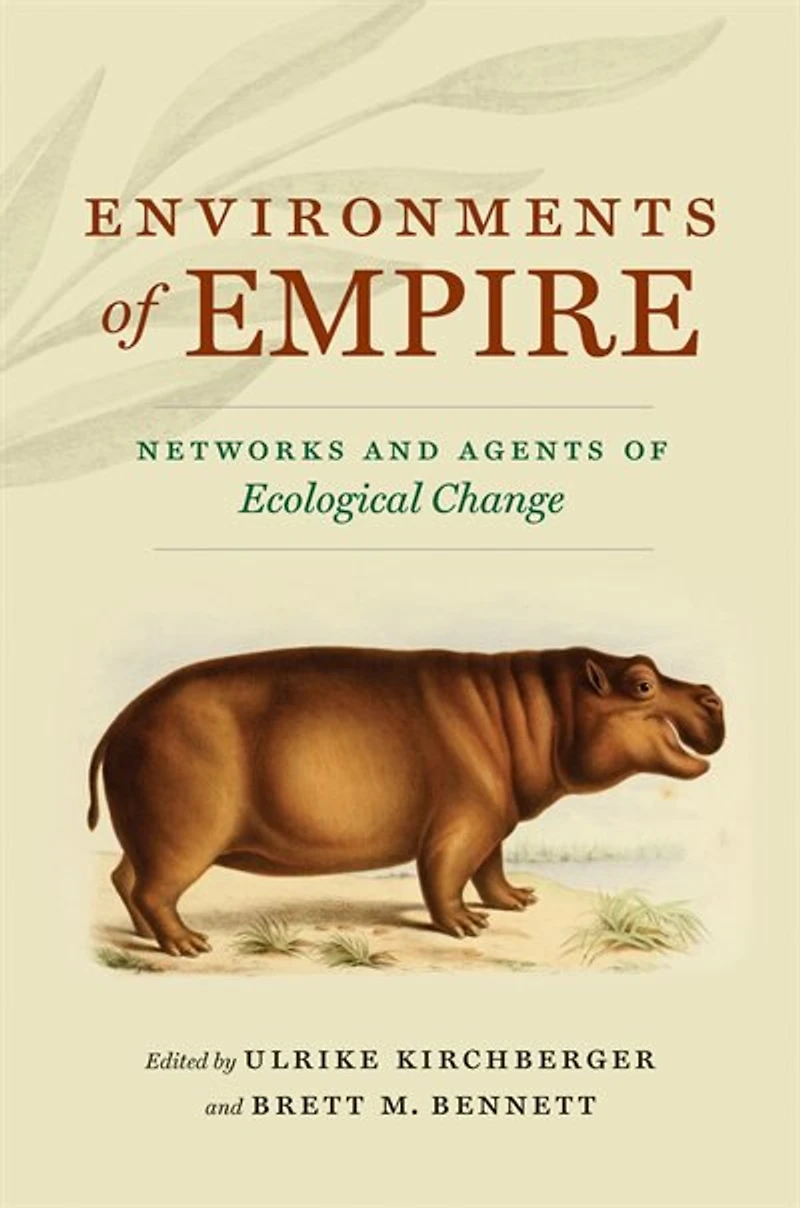
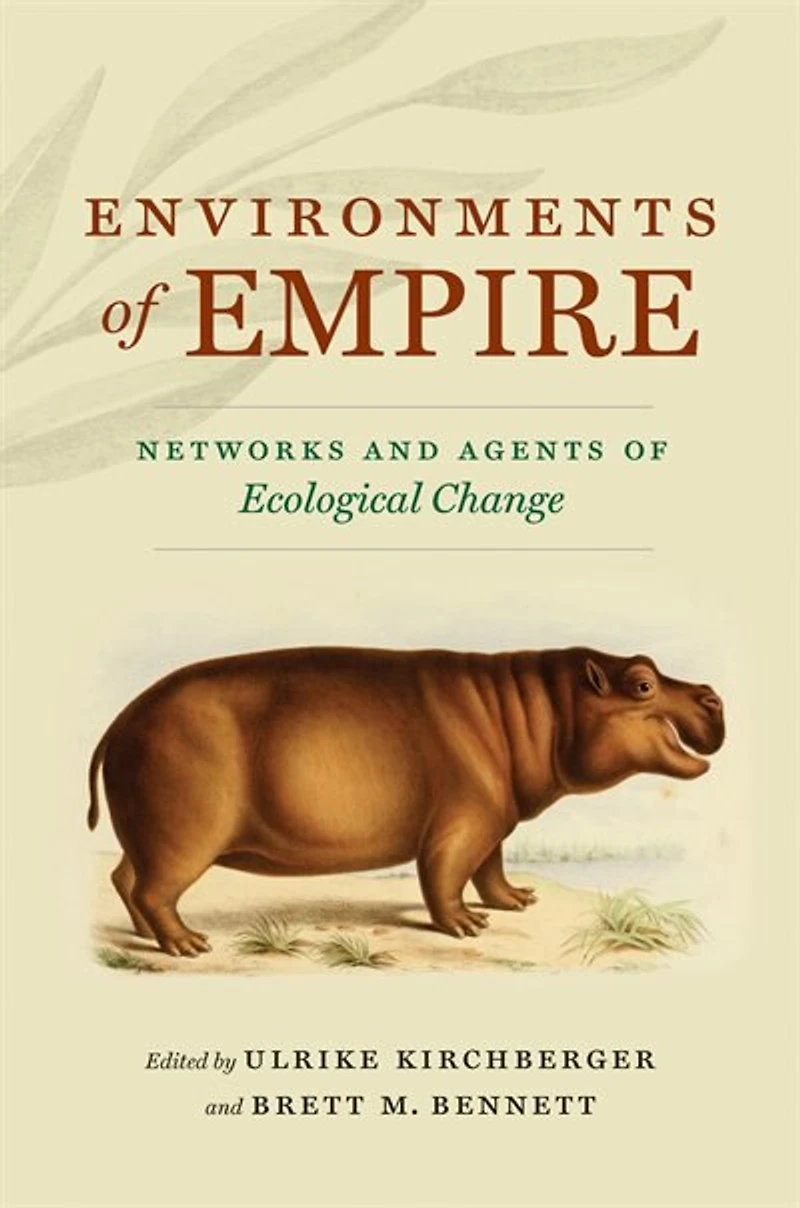
Environments of Empire: Networks and Agents Ecological Change in Grande Prairie, AB
Current price: $141.95
Coles
Environments of Empire: Networks and Agents Ecological Change in Grande Prairie, AB
Current price: $141.95
Loading Inventory...
Size: Hardcover
*Product information and pricing may vary - to confirm current pricing, availability, shipping, and return information please contact Coles. In the event of a pricing discrepancy, the retailer's price will apply.
The age of European high imperialism was characterized by the movement of plants and animals on a historically unprecedented scale. The human migrants who colonized territories around the world brought a variety of other species with them, from the crops and livestock they hoped to propagate, to the parasites, invasive plants, and pests they carried unawares, producing a host of unintended consequences that reshaped landscapes around the world. While the majority of histories about the dynamics of these transfers have concentrated on the British Empire, these nine case studies — focused on the Ottoman, French, Dutch, German, and British empires — seek to advance a historical analysis that is comparative, transnational, and interdisciplinary to understand the causes, consequences, and networks of biological exchange and ecological change resulting from imperialism.
Contributors: Brett M. Bennett, Semih Celik, Nicole Chalmer, Jodi Frawley, Ulrike Kirchberger, Carey McCormack, Idir Ouahes, Florian Wagner, Samuel Eleazar Wendt, Alexander van Wickeren, Stephanie Zehnle
The age of European high imperialism was characterized by the movement of plants and animals on a historically unprecedented scale. The human migrants who colonized territories around the world brought a variety of other species with them, from the crops and livestock they hoped to propagate, to the parasites, invasive plants, and pests they carried unawares, producing a host of unintended consequences that reshaped landscapes around the world. While the majority of histories about the dynamics of these transfers have concentrated on the British Empire, these nine case studies — focused on the Ottoman, French, Dutch, German, and British empires — seek to advance a historical analysis that is comparative, transnational, and interdisciplinary to understand the causes, consequences, and networks of biological exchange and ecological change resulting from imperialism.
Contributors: Brett M. Bennett, Semih Celik, Nicole Chalmer, Jodi Frawley, Ulrike Kirchberger, Carey McCormack, Idir Ouahes, Florian Wagner, Samuel Eleazar Wendt, Alexander van Wickeren, Stephanie Zehnle
You May Also Like
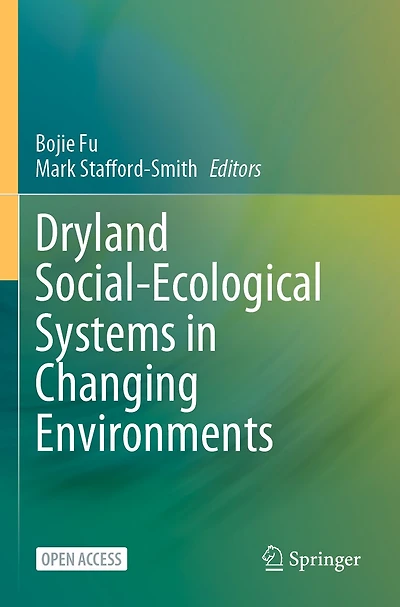








Find at Prairie Mall in Grande Prairie, AB
Visit at Prairie Mall in Grande Prairie, AB