


Gifting Made Simple
Give the Gift of ChoiceClick below to purchase a Prairie Mall eGift Card that can be used at participating retailers at Prairie Mall.Buy Gift CardHome
Environmental Research and Protection: Inorganic Analysis
Coles
Loading Inventory...
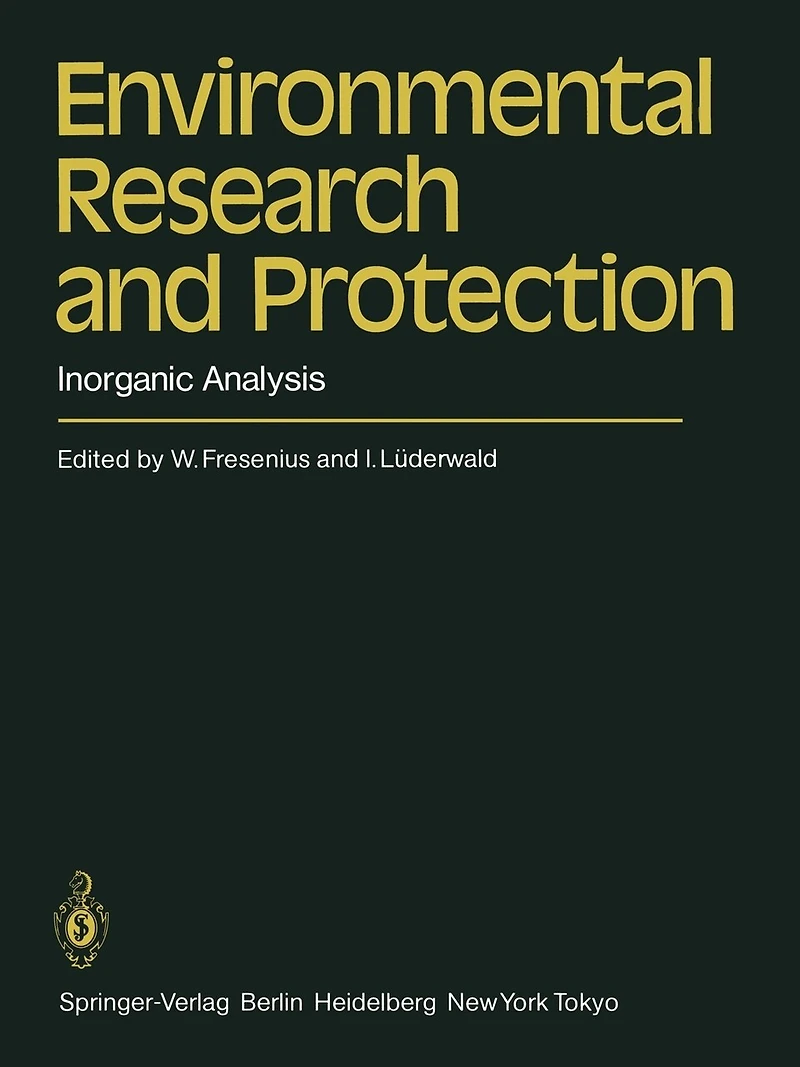
Environmental Research and Protection: Inorganic Analysis in Grande Prairie, AB
Current price: $142.95
Coles
Environmental Research and Protection: Inorganic Analysis in Grande Prairie, AB
Current price: $142.95
Loading Inventory...
Size: Paperback
*Product information and pricing may vary - to confirm current pricing, availability, shipping, and return information please contact Coles. In the event of a pricing discrepancy, the retailer's price will apply.
Inorganic chemical pollutants such as S02 and NO., which also act as the major precursors of acid rain, as well as ecotoxic heavy metals and metalloids (cadmium, lead, mercury, copper, zinc, nickel, chromium, arsenic, selenium etc. ) have gained considerable significance as regards the ecotoxic burden on vegetation, soil and natural waters, and as air pollutants. The rapid increase that has recently been noticed in severe damage to forests has suddenly aroused public interest in the ever-growing problem of inorganic chemical pollutants to a hitherto unknown extent, especially as in addition to the damage to vegetation, this also constitutes a growing hazard for man via food chains. Research on the level, fate and transfer as well as on the ecotoxic and toxic impact of inorganic pollutants has therefore gained considerable significance in science and furthermore as a sound scientific basis for relevant environmental protection regulations, in research politics and in public awareness.
Inorganic chemical pollutants such as S02 and NO., which also act as the major precursors of acid rain, as well as ecotoxic heavy metals and metalloids (cadmium, lead, mercury, copper, zinc, nickel, chromium, arsenic, selenium etc. ) have gained considerable significance as regards the ecotoxic burden on vegetation, soil and natural waters, and as air pollutants. The rapid increase that has recently been noticed in severe damage to forests has suddenly aroused public interest in the ever-growing problem of inorganic chemical pollutants to a hitherto unknown extent, especially as in addition to the damage to vegetation, this also constitutes a growing hazard for man via food chains. Research on the level, fate and transfer as well as on the ecotoxic and toxic impact of inorganic pollutants has therefore gained considerable significance in science and furthermore as a sound scientific basis for relevant environmental protection regulations, in research politics and in public awareness.
You May Also Like








Find at Prairie Mall in Grande Prairie, AB
Visit at Prairie Mall in Grande Prairie, AB