


Gifting Made Simple
Give the Gift of ChoiceClick below to purchase a Prairie Mall eGift Card that can be used at participating retailers at Prairie Mall.Buy Gift CardHome
Entering a Child's World: Narrative Pedagogy in Early Childhood Art Education
Coles
Loading Inventory...
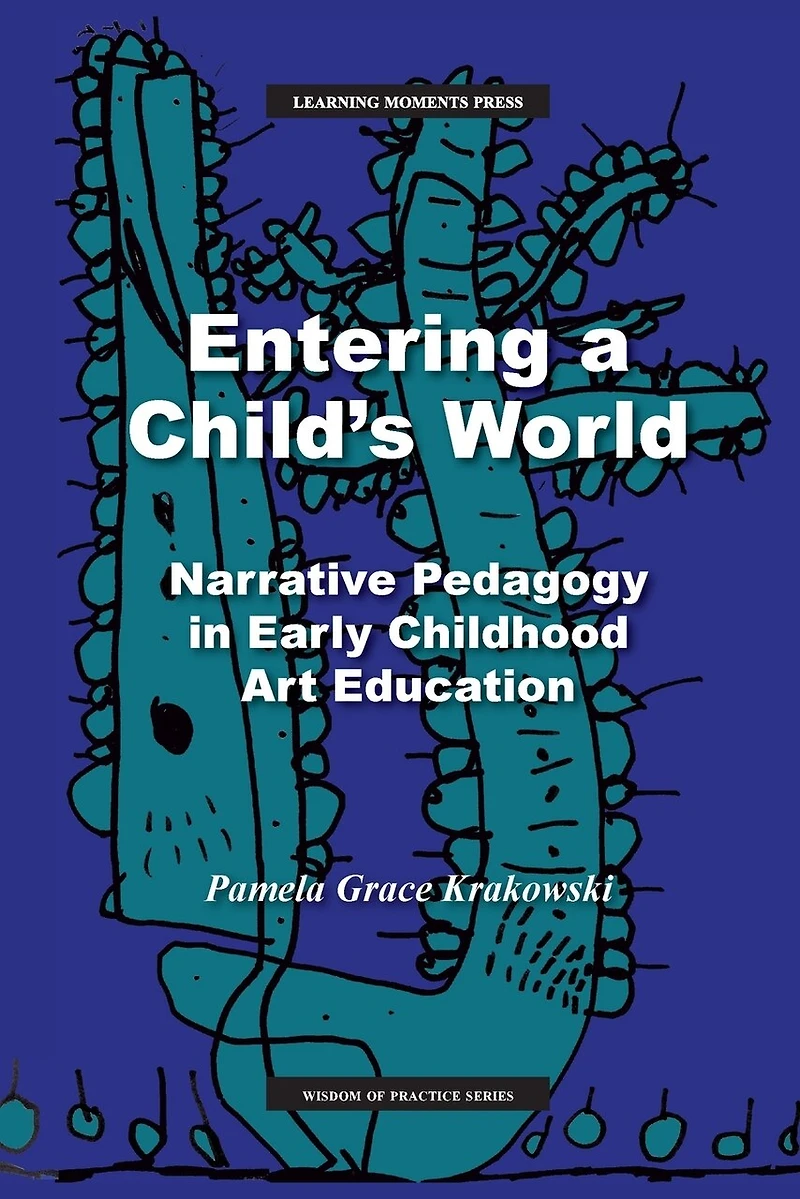
Entering a Child's World: Narrative Pedagogy in Early Childhood Art Education in Grande Prairie, AB
Current price: $27.99
Coles
Entering a Child's World: Narrative Pedagogy in Early Childhood Art Education in Grande Prairie, AB
Current price: $27.99
Loading Inventory...
Size: Paperback
*Product information and pricing may vary - to confirm current pricing, availability, shipping, and return information please contact Coles. In the event of a pricing discrepancy, the retailer's price will apply.
Drawing inspiration from the mobiles of artist Alexander Calder, Pamela Krakowski explores the challenges of balancing her normative and narrative pedagogical aims. As Dr. Krakowski recounts, "When I first began thinking about normative and narrative pedagogies, I bordered on presenting a false dichotomy between the two. Over time, however, I began to see a dynamic tension between them, because I value both the narrative and the normative. What my students have to say is important, and I have a body of knowledge, skills, and concepts that I believe are important for them to learn." Throughout the book, Dr. Krakowski explores narrative sensibilities that allow her to listen to her students' thoughts, feelings, interests, and concerns. With curiosity, caring, and respect, she is able to enter the children's worlds of imagination and play, interweaving lessons of art and art-making into what matters most to her young students.
The book explores teaching art in both the classroom and museum setting and in a year-long collaboration with a science teacher.
,
Drawing inspiration from the mobiles of artist Alexander Calder, Pamela Krakowski explores the challenges of balancing her normative and narrative pedagogical aims. As Dr. Krakowski recounts, "When I first began thinking about normative and narrative pedagogies, I bordered on presenting a false dichotomy between the two. Over time, however, I began to see a dynamic tension between them, because I value both the narrative and the normative. What my students have to say is important, and I have a body of knowledge, skills, and concepts that I believe are important for them to learn." Throughout the book, Dr. Krakowski explores narrative sensibilities that allow her to listen to her students' thoughts, feelings, interests, and concerns. With curiosity, caring, and respect, she is able to enter the children's worlds of imagination and play, interweaving lessons of art and art-making into what matters most to her young students.
The book explores teaching art in both the classroom and museum setting and in a year-long collaboration with a science teacher.
,
You May Also Like









Find at Prairie Mall in Grande Prairie, AB
Visit at Prairie Mall in Grande Prairie, AB