


Gifting Made Simple
Give the Gift of ChoiceClick below to purchase a Prairie Mall eGift Card that can be used at participating retailers at Prairie Mall.Buy Gift CardHome
Engineering Asia: Technology, Colonial Development, And The Cold War Order
Coles
Loading Inventory...
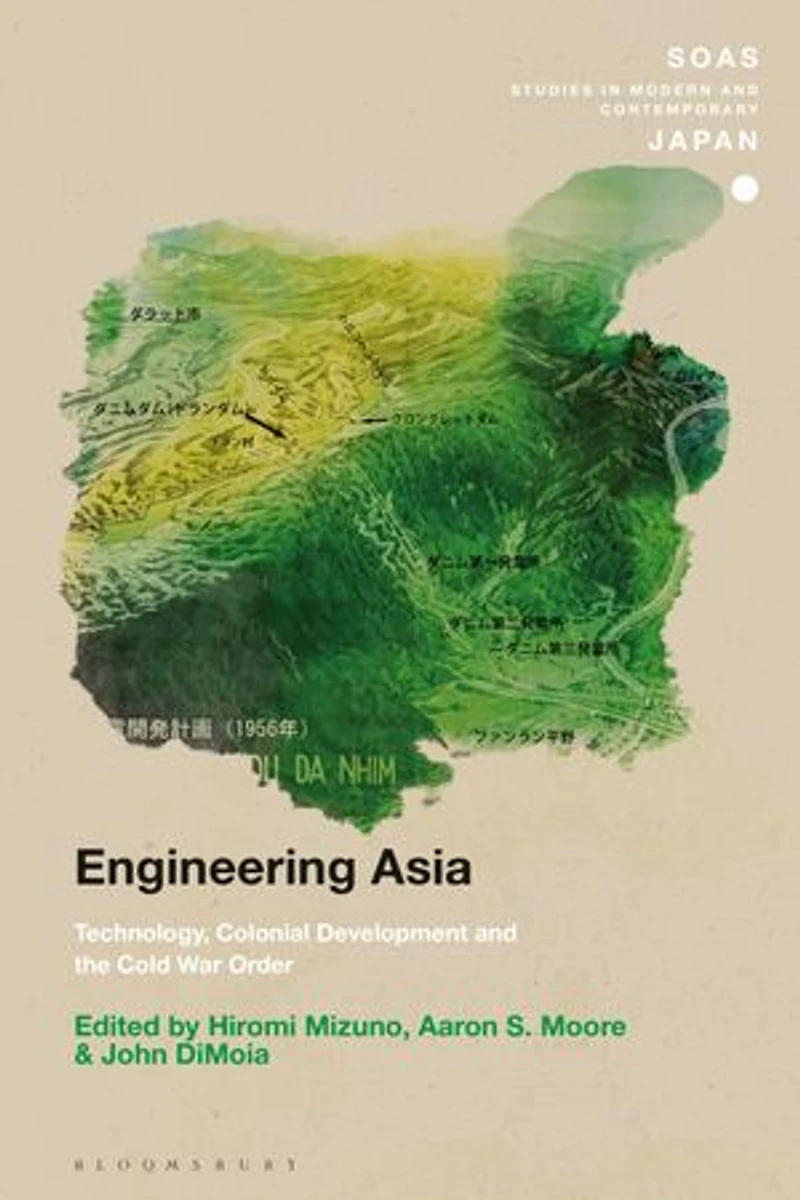
Engineering Asia: Technology, Colonial Development, And The Cold War Order in Grande Prairie, AB
Current price: $49.69
Original price: $62.05
Coles
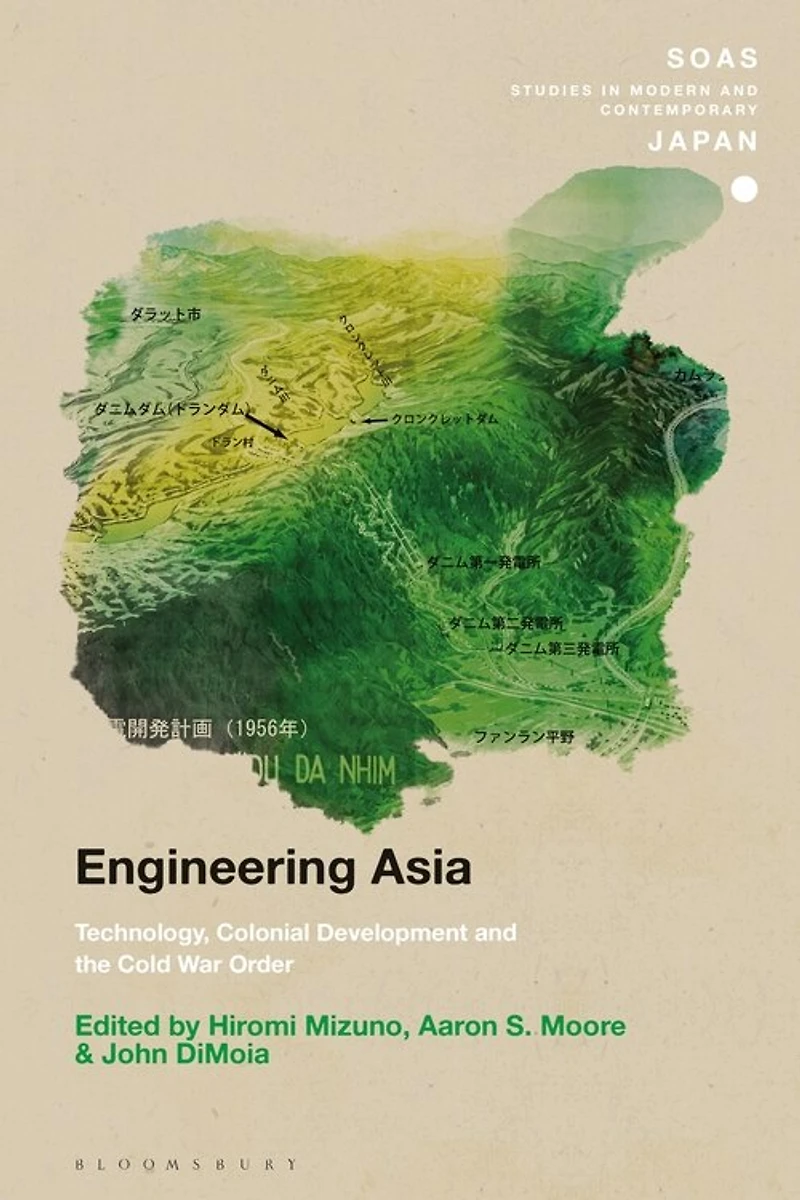
Engineering Asia: Technology, Colonial Development, And The Cold War Order in Grande Prairie, AB
Current price: $49.69
Original price: $62.05
Loading Inventory...
Size: Kobo eBook
*Product information and pricing may vary - to confirm current pricing, availability, shipping, and return information please contact Coles. In the event of a pricing discrepancy, the retailer's price will apply.
Weaving together chapters on imperial Japan's wartime mobilization, Asia's first wave of postwar decolonization, and Cold War geopolitical conflict in the region, Engineering Asia seeks to demonstrate how Asia's present prosperity did not arise from a so-called 'economic miracle' but from the violent and dynamic events of the 20th century. The book argues that what continued to operate throughout these tumultuous eras were engineering networks of technology. Constructed at first for colonial development under Japan, these networks transformed into channels of overseas development aid that constituted the Cold War system in Asia. Through highlighting how these networks helped shape Asia's contemporary economic landscape, Engineering Asia challenges dominant narratives in Western scholarship of an 'economic miracle' in Japan and South Korea, and the 'Asian Tigers' of Southeast Asia. Students and scholars of East Asian studies, development studies, postcolonialism, Cold War studies and the history of technology and science will find this book immensely useful.
Weaving together chapters on imperial Japan's wartime mobilization, Asia's first wave of postwar decolonization, and Cold War geopolitical conflict in the region, Engineering Asia seeks to demonstrate how Asia's present prosperity did not arise from a so-called 'economic miracle' but from the violent and dynamic events of the 20th century. The book argues that what continued to operate throughout these tumultuous eras were engineering networks of technology. Constructed at first for colonial development under Japan, these networks transformed into channels of overseas development aid that constituted the Cold War system in Asia. Through highlighting how these networks helped shape Asia's contemporary economic landscape, Engineering Asia challenges dominant narratives in Western scholarship of an 'economic miracle' in Japan and South Korea, and the 'Asian Tigers' of Southeast Asia. Students and scholars of East Asian studies, development studies, postcolonialism, Cold War studies and the history of technology and science will find this book immensely useful.
You May Also Like













Find at Prairie Mall in Grande Prairie, AB
Visit at Prairie Mall in Grande Prairie, AB