


Gifting Made Simple
Give the Gift of ChoiceClick below to purchase a Prairie Mall eGift Card that can be used at participating retailers at Prairie Mall.Buy Gift CardHome
Enemies among Us: the Relocation, Internment, and Repatriation of German, Italian, Japanese Americans during Second World War
Coles
Loading Inventory...
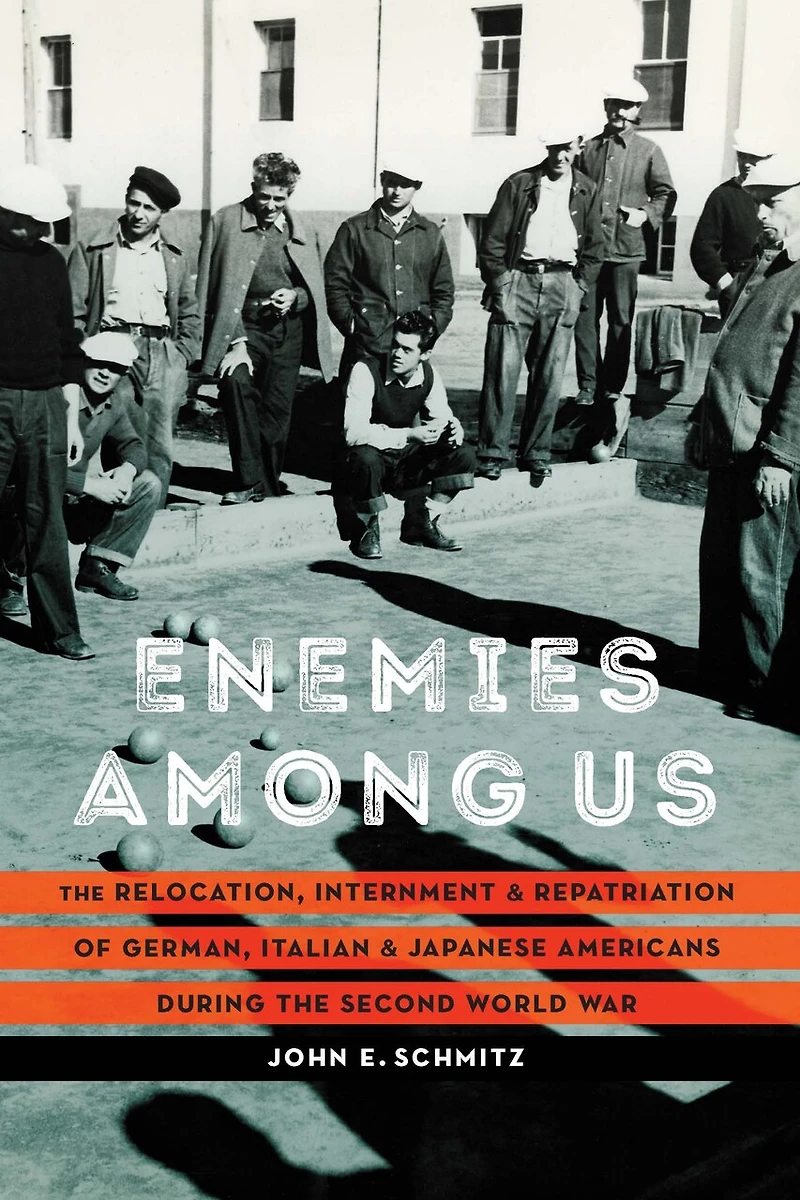
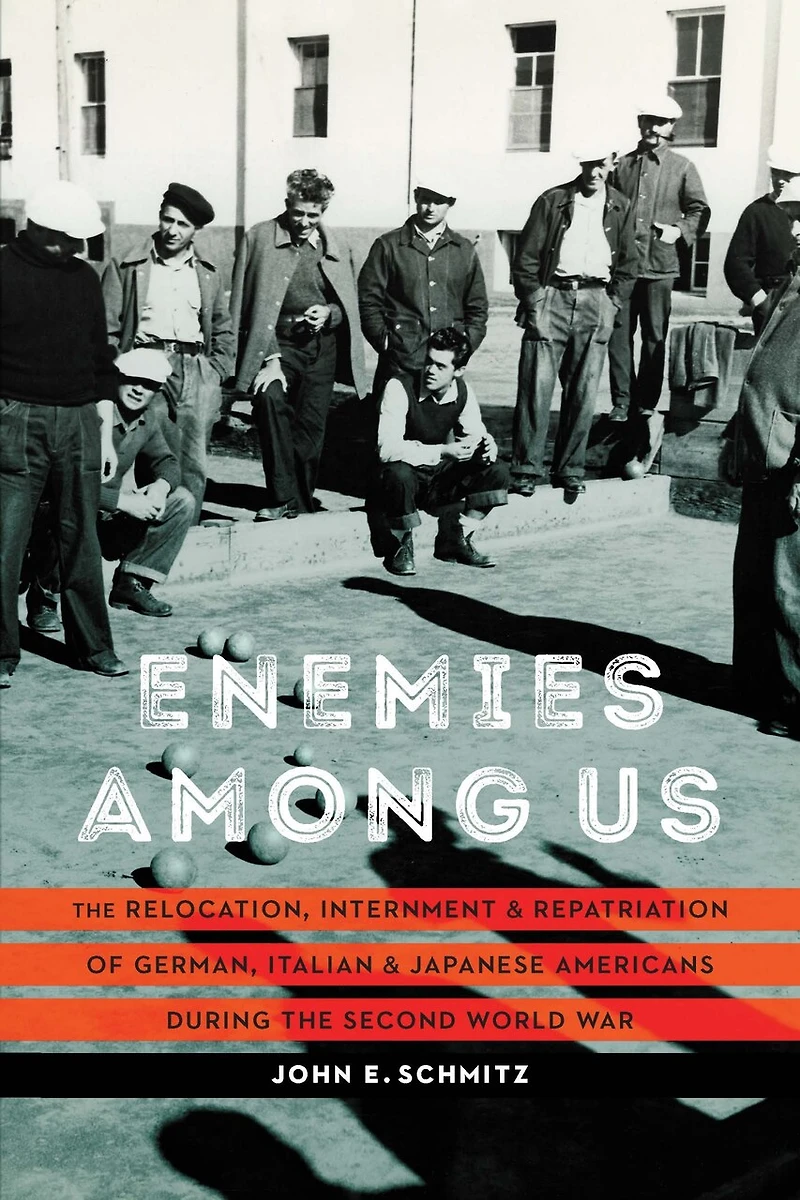
Enemies among Us: the Relocation, Internment, and Repatriation of German, Italian, Japanese Americans during Second World War in Grande Prairie, AB
Current price: $87.95
Coles
Enemies among Us: the Relocation, Internment, and Repatriation of German, Italian, Japanese Americans during Second World War in Grande Prairie, AB
Current price: $87.95
Loading Inventory...
Size: Hardcover
*Product information and pricing may vary - to confirm current pricing, availability, shipping, and return information please contact Coles. In the event of a pricing discrepancy, the retailer's price will apply.
Recent decades have drawn more attention to the United States' treatment of Japanese Americans during World War II. Few people realize, however, the extent of the country's relocation, internment, and repatriation of German and Italian Americans, who were interned in greater numbers than Japanese Americans. The United States also assisted other countries, especially in Latin America, in expelling "dangerous" aliens, primarily Germans.
In Enemies among Us John E. Schmitz examines the causes, conditions, and consequences of America's selective relocation and internment of its own citizens and enemy aliens, as well as the effects of internment on those who experienced it. Looking at German, Italian, and Japanese Americans, Schmitz analyzes the similarities in the U.S. government's procedures for those they perceived to be domestic and hemispheric threats, revealing the consistencies in the government's treatment of these groups, regardless of race.
Reframing wartime relocation and internment through a broader chronological perspective and considering policies in the wider Western Hemisphere, Enemies among Us provides new conclusions as to why the United States relocated, interned, and repatriated both aliens and citizens considered enemies.
Recent decades have drawn more attention to the United States' treatment of Japanese Americans during World War II. Few people realize, however, the extent of the country's relocation, internment, and repatriation of German and Italian Americans, who were interned in greater numbers than Japanese Americans. The United States also assisted other countries, especially in Latin America, in expelling "dangerous" aliens, primarily Germans.
In Enemies among Us John E. Schmitz examines the causes, conditions, and consequences of America's selective relocation and internment of its own citizens and enemy aliens, as well as the effects of internment on those who experienced it. Looking at German, Italian, and Japanese Americans, Schmitz analyzes the similarities in the U.S. government's procedures for those they perceived to be domestic and hemispheric threats, revealing the consistencies in the government's treatment of these groups, regardless of race.
Reframing wartime relocation and internment through a broader chronological perspective and considering policies in the wider Western Hemisphere, Enemies among Us provides new conclusions as to why the United States relocated, interned, and repatriated both aliens and citizens considered enemies.
You May Also Like














Find at Prairie Mall in Grande Prairie, AB
Visit at Prairie Mall in Grande Prairie, AB