


Gifting Made Simple
Give the Gift of ChoiceClick below to purchase a Prairie Mall eGift Card that can be used at participating retailers at Prairie Mall.Buy Gift CardHome
Enactive Cognition in Place: Sense-Making as the Development of Ecological Norms
Coles
Loading Inventory...
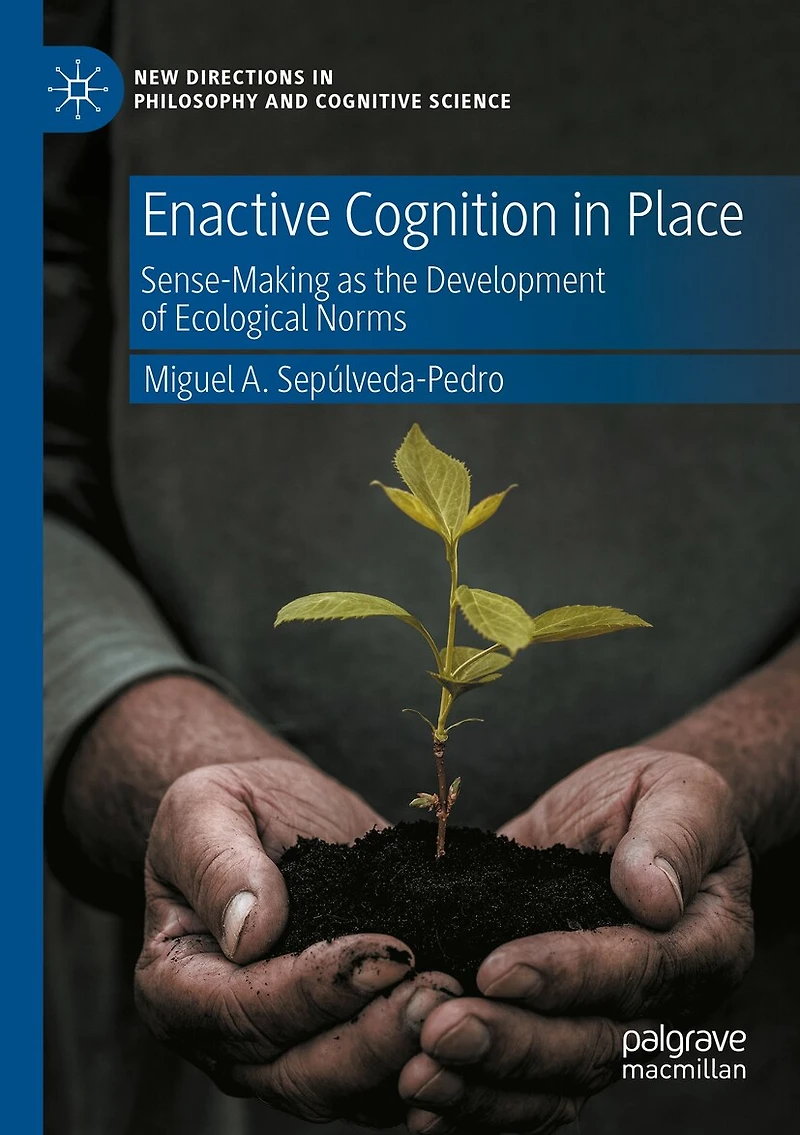
Enactive Cognition in Place: Sense-Making as the Development of Ecological Norms in Grande Prairie, AB
Current price: $189.95
Coles
Enactive Cognition in Place: Sense-Making as the Development of Ecological Norms in Grande Prairie, AB
Current price: $189.95
Loading Inventory...
Size: Paperback
*Product information and pricing may vary - to confirm current pricing, availability, shipping, and return information please contact Coles. In the event of a pricing discrepancy, the retailer's price will apply.
This book aims to enrich our understanding of the role the environment plays in processes of life and cognition, from the perspective of enactive cognitive science. Miguel A. Sepúlveda-Pedro offers an unprecedented interpretation of the central claims of the enactive approach to cognition, supported by contemporary works of ecological psychology and phenomenology. The enactive approach conceives cognition as sense-making, a phenomenon emerging from the organizational nature of the living body that evolves in human beings through sensorimotor, intercorporeal, and linguistic interactions with the environment. From this standpoint, Sepúlveda-Pedro suggests incorporating three new theses into the theoretical body of the enactive approach: sense-making and cognition fundamentally consist of processes of norm development; the environment, cognitive agents actually interact with, is an active ecological field enacted in their historical past; and sense-making occurs in a domain consistingof multiple normative dimensions that the author names enactive place.
This book aims to enrich our understanding of the role the environment plays in processes of life and cognition, from the perspective of enactive cognitive science. Miguel A. Sepúlveda-Pedro offers an unprecedented interpretation of the central claims of the enactive approach to cognition, supported by contemporary works of ecological psychology and phenomenology. The enactive approach conceives cognition as sense-making, a phenomenon emerging from the organizational nature of the living body that evolves in human beings through sensorimotor, intercorporeal, and linguistic interactions with the environment. From this standpoint, Sepúlveda-Pedro suggests incorporating three new theses into the theoretical body of the enactive approach: sense-making and cognition fundamentally consist of processes of norm development; the environment, cognitive agents actually interact with, is an active ecological field enacted in their historical past; and sense-making occurs in a domain consistingof multiple normative dimensions that the author names enactive place.














Find at Prairie Mall in Grande Prairie, AB
Visit at Prairie Mall in Grande Prairie, AB