


Gifting Made Simple
Give the Gift of ChoiceClick below to purchase a Prairie Mall eGift Card that can be used at participating retailers at Prairie Mall.Buy Gift CardHome
Empiricist Theories of Space: Space and Experience in Early Modern Philosophy
Coles
Loading Inventory...
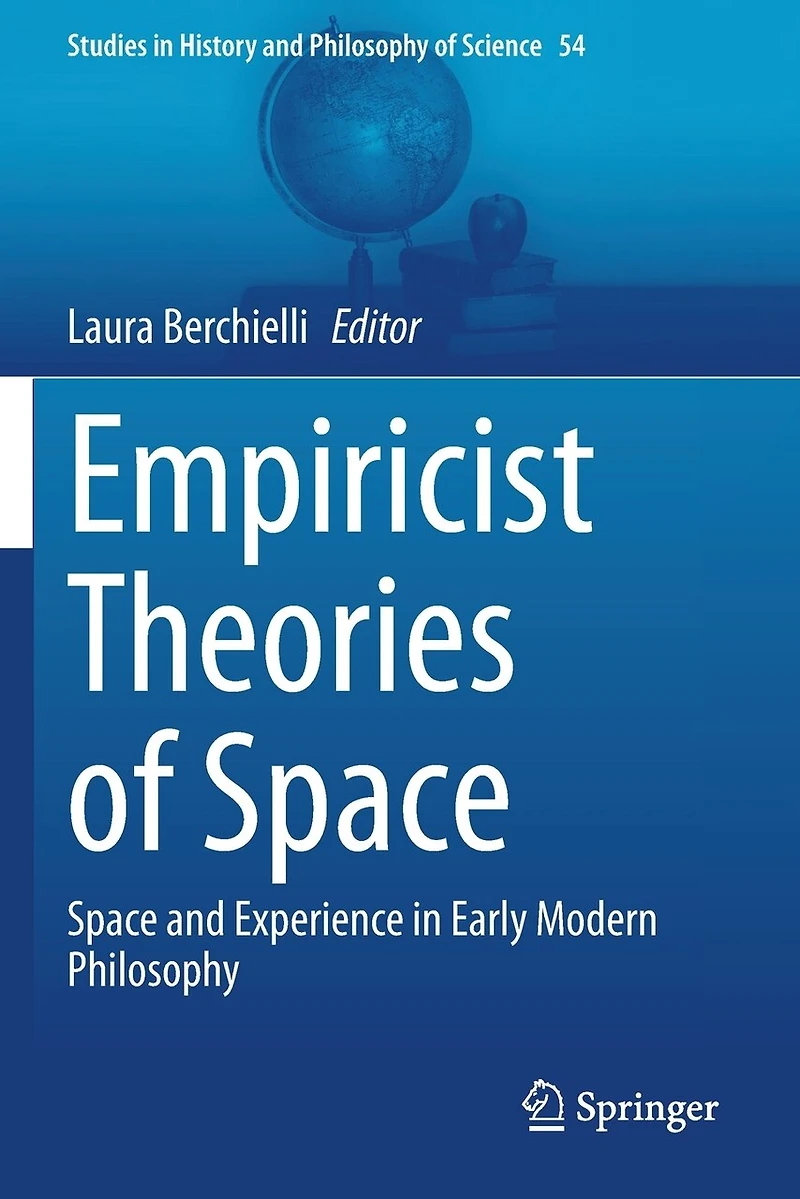
Empiricist Theories of Space: Space and Experience in Early Modern Philosophy in Grande Prairie, AB
Current price: $175.50
Coles
Empiricist Theories of Space: Space and Experience in Early Modern Philosophy in Grande Prairie, AB
Current price: $175.50
Loading Inventory...
Size: Paperback
*Product information and pricing may vary - to confirm current pricing, availability, shipping, and return information please contact Coles. In the event of a pricing discrepancy, the retailer's price will apply.
This book explores the notions of space and extension of major early modern empiricist philosophers, especially Locke, Berkeley, Hume, and Condillac. While space is a central and challenging issue for early modern empiricists, literature on this topic is sparse. This collection shows the diversity and problematic unity of empiricist views of space. Despite their common attention to the content of sensorial experience and to the analytical method, empiricist theories of space vary widely both in the way of approaching the issue and in the result of their investigation. However, by recasting the questions and examining the conceptual shifts, we see the emergence of a programmatic core, common to what the authors discuss. The introductory chapter describes this variety and its common core. The other contributions provide more specific perspectives on the issue of space within the philosophical literature. This book offers a unique overview of the early modern understanding of these issues, of interest to historians of early modern philosophy, historians and philosophers of science, historians of ideas, and all readers who want to expand their knowledge of the empiricist tradition.
This book explores the notions of space and extension of major early modern empiricist philosophers, especially Locke, Berkeley, Hume, and Condillac. While space is a central and challenging issue for early modern empiricists, literature on this topic is sparse. This collection shows the diversity and problematic unity of empiricist views of space. Despite their common attention to the content of sensorial experience and to the analytical method, empiricist theories of space vary widely both in the way of approaching the issue and in the result of their investigation. However, by recasting the questions and examining the conceptual shifts, we see the emergence of a programmatic core, common to what the authors discuss. The introductory chapter describes this variety and its common core. The other contributions provide more specific perspectives on the issue of space within the philosophical literature. This book offers a unique overview of the early modern understanding of these issues, of interest to historians of early modern philosophy, historians and philosophers of science, historians of ideas, and all readers who want to expand their knowledge of the empiricist tradition.
You May Also Like












Find at Prairie Mall in Grande Prairie, AB
Visit at Prairie Mall in Grande Prairie, AB