


Gifting Made Simple
Give the Gift of ChoiceClick below to purchase a Prairie Mall eGift Card that can be used at participating retailers at Prairie Mall.Buy Gift CardHome
Emotions as Original Existences: A Theory of Emotion, Motivation and the Self
Coles
Loading Inventory...
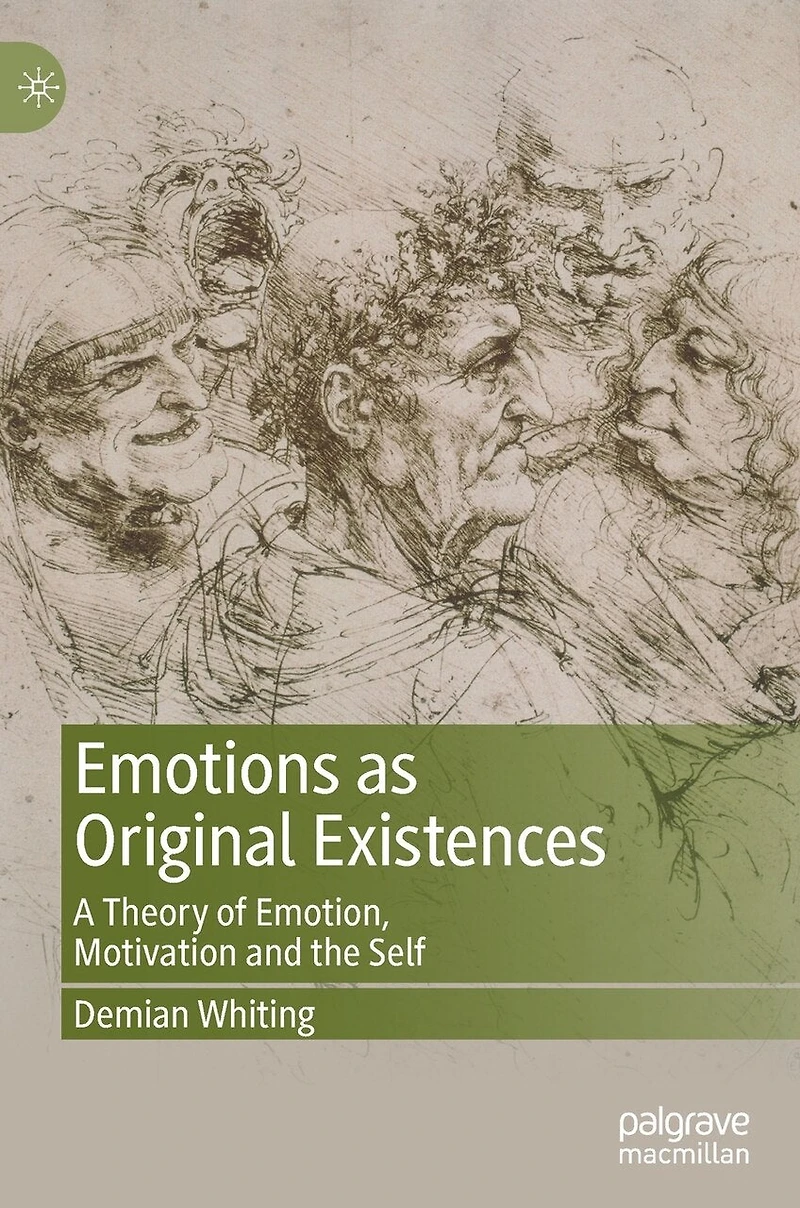
Emotions as Original Existences: A Theory of Emotion, Motivation and the Self
By None
Current price: $175.50
Coles
Emotions as Original Existences: A Theory of Emotion, Motivation and the Self
By None
Current price: $175.50
Loading Inventory...
Size: Hardcover
*Product information and pricing may vary - to confirm current pricing, availability, shipping, and return information please contact Coles. In the event of a pricing discrepancy, the retailer's price will apply.
This book defends the much-disputed view that emotions are what Hume referred to as 'original existences': feeling states that have no intentional or representational properties of their own. In doing so, the book serves as a valuable counterbalance to the now mainstream view that emotions are representational mental states. Beginning with a defence of a feeling theory of emotion, Whiting opens up a whole new way of thinking about the role and centrality of emotion in our lives, showing how emotion is key to a proper understanding of human motivation and the self. Whiting establishes that emotions as types of bodily feelings serve as the categorical bases for our behavioural dispositions, including those associated with moral thought, virtue, and vice.
The book concludes by advancing the idea that emotions make up our intrinsic nature - the characterisation of what we are like in and of ourselves, when considered apart from how we are disposed to behave. The conclusion additionally draws out the implications of the claims made throughout the book in relation to our understanding of mental illness and the treatment of emotional disorders.
This book defends the much-disputed view that emotions are what Hume referred to as 'original existences': feeling states that have no intentional or representational properties of their own. In doing so, the book serves as a valuable counterbalance to the now mainstream view that emotions are representational mental states. Beginning with a defence of a feeling theory of emotion, Whiting opens up a whole new way of thinking about the role and centrality of emotion in our lives, showing how emotion is key to a proper understanding of human motivation and the self. Whiting establishes that emotions as types of bodily feelings serve as the categorical bases for our behavioural dispositions, including those associated with moral thought, virtue, and vice.
The book concludes by advancing the idea that emotions make up our intrinsic nature - the characterisation of what we are like in and of ourselves, when considered apart from how we are disposed to behave. The conclusion additionally draws out the implications of the claims made throughout the book in relation to our understanding of mental illness and the treatment of emotional disorders.
You May Also Like









More About Coles at Prairie Mall
11801 100 St #104, Grande Prairie, AB T8V 3Y2, Canada
Find Coles at Prairie Mall in Grande Prairie, AB
Visit Coles at Prairie Mall in Grande Prairie, AB